
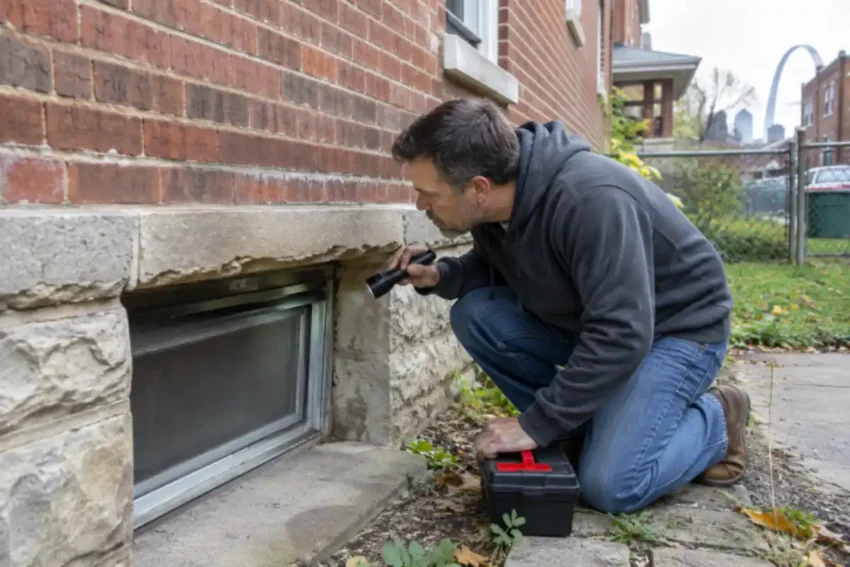
Urban homes can face pest pressure in every season, but prevention does not need to mean constant spraying or complicated routines. In St. Louis, a practical plan starts with regular inspections, prompt repairs, and attention to the food, moisture, and hiding places that pests seek. When an issue needs more than basic upkeep, local homeowners can consider professional support from Pointe Pest Control as part of a broader prevention strategy.
Whether you live in a single-family house, a duplex, or an apartment building, the most effective approach is to make your space less inviting to pests before the problem becomes severe. This method, often called integrated pest management, combines sanitation, exclusion, monitoring, and carefully targeted treatment when needed.
Why Year-Round Prevention Works
Pest activity changes with the weather, but it does not disappear simply because a season changes. Warm weather can increase outdoor insect activity, while colder conditions may send rodents and other pests toward protected indoor spaces. A consistent routine catches small concerns early, before they become harder to locate or resolve.
In St. Louis, where humid summers and cold winters both shape pest behavior, the foundation is simple: reduce access to food, water, and shelter, and then seal off routes indoors. The preventive measures recommended for smart pest control emphasize these steps before relying on pesticide products.
How Urban Homes Attract Pests
Even a tidy home can develop a pest issue. Leaking plumbing, unsealed trash, pet food left out overnight, cluttered storage, and standing water can all create opportunities. In dense St. Louis neighborhoods, attached structures and older buildings may also have shared utility openings, wall voids, basements, or exterior gaps that facilitate movement between spaces.
Construction nearby, landscaping changes, rainfall, and seasonal temperature shifts can alter where pests travel and nest. Focus less on assigning blame and more on identifying the conditions that let pests enter, feed, or remain hidden.
The Four-Part Home Check
A monthly walk-through is easier when divided into four areas:
- Kitchen: Check pantry items, pet food storage, cabinet corners, appliance areas, plumbing connections, and waste bins.
- Basement and Attic: Look for moisture, droppings, nesting material, damaged insulation, and openings around pipes or wiring.
- Exterior: Inspect window screens, doors, vents, gutters, foundations, siding, and outdoor storage.
- Yard: Review mulch, firewood, planters, bird feeders, drains, and shaded areas near the structure.
A Seasonal Pest Prevention Plan
Spring
Repair screens and door sweeps, clear gutter debris, and inspect foundation cracks. Remove leaves, branches, and other winter debris near the home, then watch for early ant, termite, and mosquito activity.
Summer
Empty containers that collect rainwater, cover food during outdoor meals, and trim plants away from windows, doors, and siding. Keep garage and patio doors closed when they are not in use.
Fall
Seal gaps before cooler temperatures encourage pests to seek indoor shelter. Store firewood away from the home and off the ground, and inspect seasonal decorations or storage boxes before bringing them indoors.
Winter
Pay attention to warm, quiet spaces near utility rooms, pipes, appliances, garages, and attics. Check for droppings, gnaw marks, damaged packages, and unusual sounds in walls or ceilings.
Remove Food, Water, And Shelter
Small habits matter. Store dry goods in sealed containers, promptly clean up crumbs and spills, and empty indoor trash regularly. Repair dripping faucets, pipes, toilets, and air-conditioning lines. Bring pet food inside after meals when practical, and reduce cardboard, paper, and other clutter in closets, garages, basements, and storage rooms.
Seal Common Entry Points
Inspect for gaps around pipes, utility lines, vents, windows, doors, foundations, attic openings, crawl spaces, and garage doors. Replace worn weatherstripping, repair torn screens, and seal cracks that could let pests inside. Exclusion works best alongside sanitation and moisture control because a sealed home can still attract pests if it offers reliable food or water.
Mosquito And Rodent Prevention
During humid St. Louis summers, mosquitoes can use water held in ordinary outdoor items. Each week, empty, scrub, cover, turn over, or discard items that retain water, including buckets, toys, planters, birdbaths, and saucers. The weekly steps for removing standing water also include checking containers indoors. Repair screens and avoid leaving doors open for long periods.
For rodents, early warning signs include droppings, gnaw marks, nesting materials, rub marks, and damaged food packaging. Do not ignore a single recurring sign. Locate the likely entry point, remove accessible food, and monitor the area after making repairs.
Using Pest Control Products Safely
Read the full label before using any bait, spray, fogger, or other pesticide. Select a product labeled for the specific pest and location, and keep it away from children, pets, food, dishes, and pet bowls. Targeted treatments are generally preferable to broad indoor applications. Never combine products unless the label specifically allows it, and follow local disposal instructions.
When To Call A Professional
Professional assessment may be appropriate when activity continues after prevention steps, rodents are moving through inaccessible spaces, stinging insects are nesting near living areas, or signs suggest termites. It is also wise to seek help when the pest cannot be confidently identified or when household health concerns complicate treatment decisions.
Before hiring a provider, ask whether the company is licensed, how it will identify the source of the problem, which treatment methods it proposes, and what preparation or follow-up the homeowner is expected to provide.
A Simple Homeowner Checklist
- Walk around the home once each month.
- Look for moisture, cracks, nests, droppings, and damaged materials.
- Remove standing water weekly during warm weather.
- Keep food, pet supplies, and waste in sealed containers.
- Trim vegetation away from the structure.
- Seal new gaps as soon as they appear.
- Record recurring sightings by date and location.
- Escalate the response when signs continue or spread.
Year-round pest prevention is primarily about consistency. Regular inspections, dry and orderly storage areas, sound repairs, and timely action can help make an urban home far less inviting to pests.