
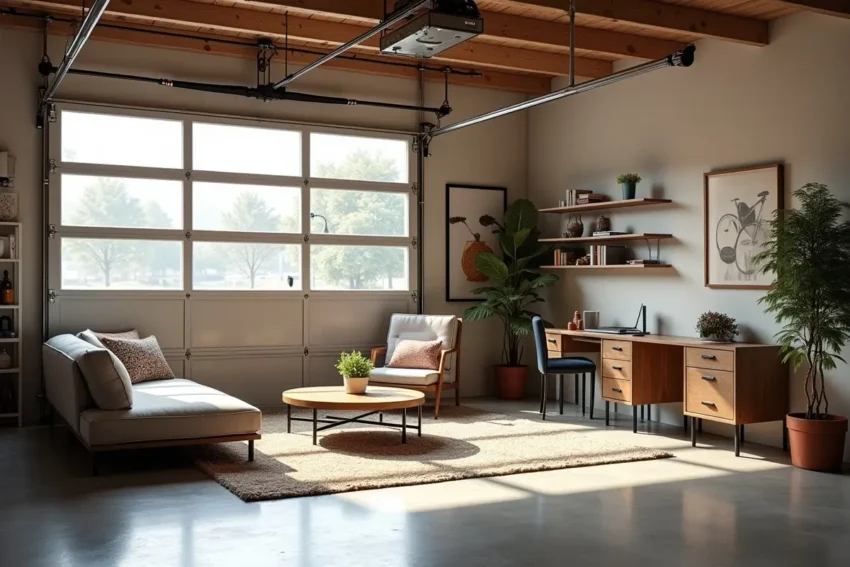
A garage conversion involves repurposing an existing garage into a functional living area, such as a bedroom, office, or rental unit. This process utilizes the existing structure, making it a cost-effective alternative to building new additions.
In recent years, garage conversions have become an increasingly popular option for homeowners looking to maximize their living space. This is especially true in urban and suburban areas like Sacramento, where property values are consistently rising, and space is at a premium. Rather than embarking on an expensive room addition or moving to a larger home, homeowners are choosing to invest in a thoughtfully planned garage remodel in Sacramento to transform underutilized areas into highly functional spaces.
These projects often add much-needed versatility to the home, from in-law suites and home gyms to creative studios and cozy dens. The process typically begins with an assessment of the available square footage and strategic planning to make the most of the existing layout.
Garages are particularly well-suited for conversion because they already have basic elements such as walls, a roof, and, in many cases, electrical hookups. This means project timelines are generally shorter and less disruptive than building a new addition. Furthermore, most garages are conveniently located adjacent to the main house, making it easier to integrate the converted space into your home’s overall floor plan.
Benefits of Garage Conversions in Sacramento
Converting a garage in Sacramento offers several advantages:
- Increased Property Value: Homes with accessory dwelling units (ADUs), including garage conversions, have shown a 20–35% higher appraised value in California.
- Additional Income: Renting out the converted space can generate monthly income, with average rents ranging from $1,200 to $1,800 in Sacramento.
- Cost Efficiency: Utilizing existing structures reduces construction costs by 40–60% compared to building a new ADU.
Besides offering an immediate boost in property value, garage conversions can provide long-term financial stability. With rental markets remaining strong in Sacramento, a garage-turned-ADU can serve as a lucrative income stream for years to come. This is particularly attractive for homeowners approaching retirement or those looking to offset mortgage payments.
Additionally, because the structure already exists, converting a garage is generally less expensive than constructing an add-on from scratch. Not only do you save on materials, but labor costs are typically lower because the work involved is relatively simple.
There are also intangible benefits, such as greater flexibility in how you use your home. For growing families, the converted space might serve as a playroom or homework area for children. Those who work remotely may appreciate the privacy and focus that come with a dedicated home office. And as multigenerational living becomes more common, an independent, code-compliant living suite on your property can make accommodating relatives much easier and more comfortable for everyone involved.
Planning Your Garage Conversion
Before starting a garage conversion, consider the following steps:
- Assess Structural Integrity: Ensure the existing garage is suitable for conversion.
- Obtain Necessary Permits: Secure all required permits from local authorities to comply with Sacramento regulations.
- Design the Space: Plan the layout to meet your needs, whether it’s an extra bedroom, office, or rental unit.
- Budget Accordingly: Estimate costs, including construction, permits, and potential utility upgrades.
Thorough planning sets the foundation for a successful and hassle-free garage conversion. Begin with a comprehensive evaluation of the garage’s condition, looking out for foundational damage, old or out-of-code electrical wiring, or moisture issues such as leaks in the roof or walls. Bringing in a structural engineer or experienced contractor at this early stage can pay dividends, helping you avoid unforeseen expenses and complications down the line.
Regulatory requirements represent another crucial step. Sacramento’s municipal code outlines specific standards for ADUs, including minimum ceiling heights, egress windows for bedrooms, and requirements for heating and cooling. You’ll need to submit architectural plans for city approval and obtain the correct permits for construction, electrical, plumbing, and any changes to the building’s structure. These steps are essential not only to avoid fines and legal hurdles but also to ensure the safety, comfort, and value of your new living space.
Next comes the design stage. Whether you’re building a simple office or a fully equipped rental unit, thoughtful design will help you maximize every square foot. Consider prioritizing natural lighting by adding windows or skylights. Plan for efficient storage—custom shelving and cabinets can help compensate for any space lost by eliminating the traditional garage. Modern garage conversions often incorporate sustainable materials and energy-efficient appliances, thereby improving comfort and minimizing utility costs.
Potential Challenges and Solutions
While garage conversions offer many benefits, challenges may arise:
- Loss of Storage: Converting a garage eliminates traditional storage space. Solution: Incorporate built-in storage solutions within the new design.
- Parking Considerations: Ensure alternative parking solutions are available to compensate for the loss of garage space.
- Compliance with Regulations: Adhere to all local building codes and zoning laws to avoid legal issues.
Many homeowners worry about losing precious storage or parking. To address this, creative storage can be built into the conversion, such as under-seat compartments, wall units, or attic access. If losing on-site parking is unavoidable, consider adding a driveway extension or investing in accessible street parking permits, if local codes permit.
Sewer and utility upgrades may be needed, particularly for conversions that include kitchens or bathrooms, but experienced contractors can often propose cost-effective solutions to minimize these expenses. Always check with the city or consult a local real estate expert to make sure your plans comply with the latest municipal codes and neighborhood association guidelines.
Choosing the Right Contractor
Selecting an experienced contractor is crucial for a successful conversion. Look for professionals with a proven track record in garage conversions and familiarity with Sacramento’s building codes.
Check online reviews, ask to see prior work, and verify licenses and insurance. Meeting with at least three contractors and obtaining detailed written estimates can help you make an informed decision. Ask about their experience with projects similar to yours and how they handle permit applications, scheduling, and potential construction challenges. The right contractor will also offer valuable design insight, cost-saving strategies, and reliable timelines, ensuring your project moves smoothly from start to finish.
Conclusion
Garage conversions are a strategic way to enhance your Sacramento home’s value and functionality. By carefully planning and executing the conversion, you can create a valuable addition to your property that meets your specific needs.
With the increased demand for flexible housing solutions, now is an excellent time to consider converting your garage. Whether you seek more space for your family, a potential rental unit, or simply want to improve your home’s overall marketability, a well-executed garage conversion can deliver significant returns. Explore your options, consult with industry professionals, and invest in a project that will benefit your household for years to come.