
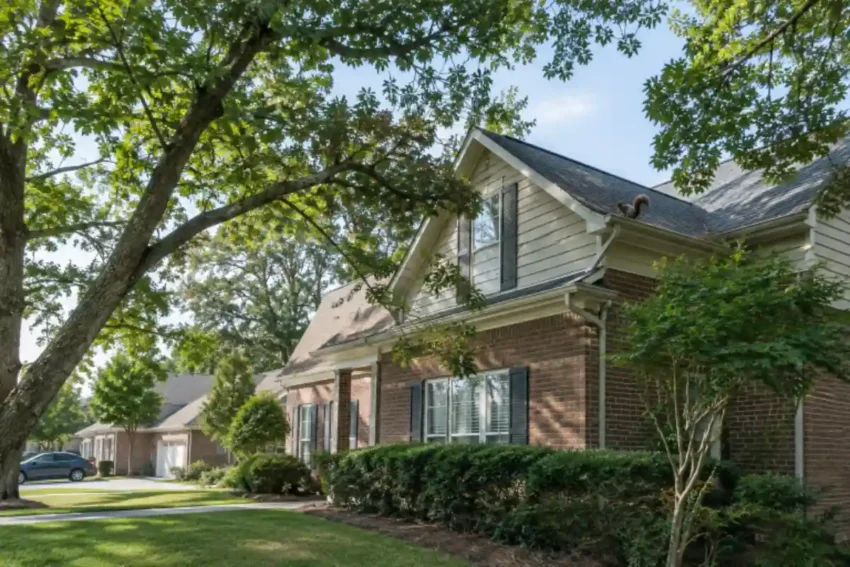
Charlotte’s tree-lined neighborhoods, mature hardwoods, and changing weather can make roofs and attics attractive to squirrels looking for sheltered nesting space. Daytime scratching above a ceiling, debris near a roof edge, or a squirrel repeatedly running along the same gutter can all point to a problem worth investigating. When activity appears to be inside the home, homeowners should focus on safety, careful observation, and humane solutions rather than rushing into a repair.
An attic is dry, protected from rain, and generally undisturbed, which can make it appealing to wildlife. If homeowners need help evaluating an active issue, information about squirrel removal can explain the steps typically involved in resolving an attic entry problem and preventing another one.
In Charlotte, access often starts outside the house. Tree limbs that extend close to the roof, utility lines, damaged trim, and unscreened vents can all create routes toward an attic. A squirrel may use an existing gap, then chew or pull at weakened material until the opening is more usable.
The goal is not simply to make the noises stop. A lasting response includes confirming where the animal entered, making sure no young remain inside, addressing any damaged building materials, and closing access only after the attic is empty.
Some situations involve more than one animal, difficult roof access, or damage that needs coordinated attention. In those cases, a broader animal removal assessment may be appropriate, especially when the species, entry route, or attic condition is uncertain.
Why Squirrels Enter Attics
Squirrels commonly seek enclosed areas that provide cover from weather and predators. Attics can function much like a protected tree cavity, particularly when a home has an accessible vent, soffit gap, or loose section of fascia. Nearby food sources, including birdseed, fallen nuts, unsecured pet food, and accessible garbage, can also increase squirrel activity around a property.
North Carolina wildlife guidance notes that gray squirrels can enter through existing gaps around vents or shingles, and their chewing can damage wood, roofs, soffits, and wiring. The same guidance recommends reducing food access and trimming branches away from the home as practical prevention measures for gray squirrel conflicts around residences.
Early Warning Signs of Squirrel Activity
Squirrels are generally active during daylight, so movement in an attic during the morning or afternoon can be a useful clue. Sounds alone do not identify an animal with certainty, but repeated scampering, scratching, or gnawing near the same area deserves attention.
- Leaves, insulation, or nesting material near a vent or roofline opening.
- Chewed wood around soffits, trim, fascia boards, or vent covers.
- A squirrel repeatedly entering or leaving one spot along the roof.
- Droppings, odor, or disturbed insulation in an accessible attic area.
- Flickering lights, exposed wiring, or other electrical concerns.
If wiring appears chewed, avoid touching it or entering the affected space until a qualified electrician can evaluate it.
Common Roofline Entry Points
Homeowners can often inspect much of the exterior from the ground with binoculars or by walking slowly around the house. Look for loose soffits, bent vent screens, gaps at roof intersections, damaged shingles, openings around pipes or chimneys, and weak areas concealed by gutters or trim.
- Check whether vent covers are secure and intact.
- Look for fresh chew marks or material pulled away from the structure.
- Watch the roofline from a safe distance during daylight activity.
- Note the location of limbs or cables that lead toward the roof.
Do not climb onto a roof or lean from a high ladder without the training and equipment needed to do so safely.
Potential Damage Risks
A squirrel problem can become a home maintenance issue when chewing and nesting disrupt building materials. Torn insulation may reduce its effectiveness, while damaged trim or roof components can leave pathways for moisture. Nesting material near vents can also interfere with normal airflow. Because rodents chew to wear down continuously growing teeth, wiring and other accessible materials may be vulnerable.
Safe First Steps for Homeowners
- Keep children and pets away from the attic or area beneath the activity.
- Do not try to handle a squirrel, nest, droppings, or exposed wiring.
- Write down when sounds occur and where they seem loudest.
- Observe suspected entry points from ground level.
- Wait to seal an opening until it is clear that all animals have left.
Sealing an active opening too quickly can trap an animal indoors or separate an adult from dependent young. It can also drive a trapped animal to search for another way out through walls, ceilings, or interior finishes.
When Young Squirrels May Be Present
Nesting periods require added patience. Faint squeaks, repeated trips by an adult to one entry point, or activity concentrated in a quiet corner of the attic may suggest that young are present. Blocking access without checking can create a more complicated situation for both the animals and the home.
Charlotte-Mecklenburg Animal Care & Control advises residents who encounter baby wildlife to contact a rehabilitator if the animal is injured or a mother does not return, rather than assuming the young animal has been abandoned. Its local guidance also emphasizes keeping pet food and trash secured to reduce wildlife activity near homes.
A Practical Prevention Plan
- Trim branches back so squirrels have less direct access to the roof.
- Repair loose soffits, fascia, shingles, and damaged vent covers.
- Cover suitable openings with durable metal screening only after the attic is confirmed empty.
- Store birdseed, pet food, and garden supplies in secure containers.
- Clean spilled seed beneath feeders and avoid leaving pet food outside.
- Inspect the roofline twice each year and after severe storms.
- Check insulation, ventilation, and wiring after an attic animal issue is resolved.
When to Seek Help
Professional assistance may be sensible when the entry point is high on the roof, the animal is behind a wall or ceiling, young may be present, contamination is extensive, or wiring looks damaged. A thorough visit can include identifying likely entry routes, checking for young, confirming that animals have exited, repairing vulnerable openings, and evaluating related attic damage.
Common Questions About Squirrels in Attics
Can a squirrel enter through a small opening?
Yes. Squirrels can use existing gaps and may enlarge weak wood, trim, or screening through chewing.
Should an active squirrel hole be sealed immediately?
No. First confirm that all squirrels, including any young, are safely out of the structure.
Are squirrels active during winter in Charlotte?
They can remain active year-round, and a sheltered attic may still be attractive during colder or wet periods.
Will removing one squirrel solve the problem?
Not necessarily. Lasting prevention also requires repairing the entry point and reducing conditions that make roof access easy.
Final Thoughts
Early action can limit the chance of extensive attic damage. By observing safely, avoiding premature sealing, accounting for possible young, and maintaining the roofline, Charlotte homeowners can protect their homes while reducing future conflicts with squirrels.