
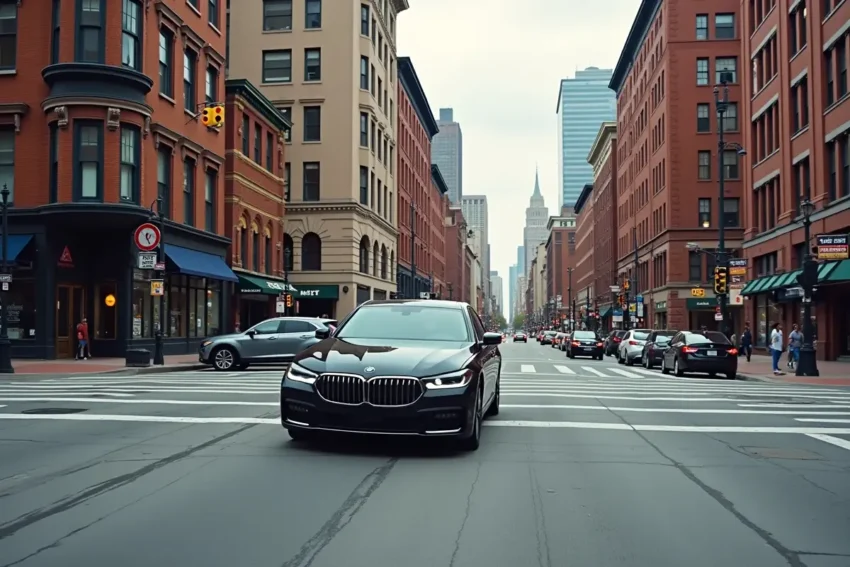
Driving in Boston presents unique challenges due to its historical street layout, bustling city life, and ever-changing New England weather. From narrow roads to frequent construction, even the most experienced drivers can find themselves in difficult situations. Being prepared and vigilant is essential for protecting yourself and others on the road. For those facing legal challenges after an accident, consulting a car accident lawyer in Boston can provide valuable guidance and support.
Boston’s streets require a defensive driving mindset and a commitment to safe practices. Whether you commute daily or are new to the city, understanding the risks and how to avoid them can make your driving experience significantly safer.
Understanding Boston’s Driving Challenges
Boston consistently ranks among the most collision-prone cities in America. Boston is among the worst cities for drivers in the U.S. Key factors include winding, poorly designed streets, dense traffic, and ever-present pedestrians and cyclists. These realities amplify the need for heightened awareness, quick reflexes, and respect for traffic laws at all times.
Another unique aspect of Boston driving culture is the prevalence of one-way streets and unconventional intersections, which can easily confuse even experienced drivers unfamiliar with the area. Because of the city’s historic development before the advent of modern urban planning, streets may suddenly change direction or merge unexpectedly. This, combined with limited parking and frequent double-parking, creates hazards daily. Additionally, Boston’s popularity as a center for colleges and tourism means that inexperienced out-of-town drivers can further complicate traffic patterns, making patience and mindfulness especially important for all motorists.
Rear-end collisions are particularly common in Boston traffic, often resulting from tailgating. Massachusetts law requires all drivers to maintain a “reasonable and prudent” distance from vehicles ahead, taking speed and traffic into account. The “three-second plus rule” advised by the National Safety Council helps drivers determine a safe following distance. To apply it, choose a fixed point along the road, begin counting when the car ahead passes it, and ensure at least three seconds before you reach the same spot. This gap should be increased in adverse weather or heavy traffic.
Weather conditions in Boston can change quickly—rain, fog, or snow can significantly reduce visibility and increase stopping distances. As such, drivers should always be prepared to extend their following distance and reduce their speed accordingly. Staying conscious of your surroundings and anticipating sudden stops can be the difference between a close call and a damaging accident.
Aggressive behaviors such as speeding, weaving between lanes, and unnecessary honking are unfortunately frequent on Boston roads. A 2023 study by AAA found that over 96% of drivers nationwide admitted to at least one aggressive driving habit in the past month. To counter this trend, plan routes ahead of time to avoid rush hour stress, refrain from using the left lane except for passing, and practice deep breathing or other relaxation techniques behind the wheel. Avoid confrontations with other drivers, and remember that arriving safely is always more important than arriving quickly.
Furthermore, keeping a calm mindset helps you respond more effectively to unexpected events. If you sense frustration building, listen to calming music or take a break if you are on a longer journey. If you witness another driver engaging in aggressive or reckless maneuvers, disengage and avoid escalation. Report dangerous driving to authorities when it’s safe to do so—community vigilance supports a safer driving environment for everyone.
Navigating Pothole-Ridden Roads
Boston’s unpredictable weather, especially the cycle of freezing and thawing, leads to frequent potholes. Hitting a pothole at speed can cause serious damage to tires, suspension, and alignment. Stay alert for changes in the road surface, especially on secondary streets or after late-winter storms. Slow down in high-risk areas and if safe, avoid standing water, as it can conceal deeper craters beneath. Reporting major potholes to city authorities helps them prioritize repairs and protect others from hazards. Drivers can learn more about hazards by staying updated on local infrastructure news, such as reports from The Boston Globe.
When unavoidable, crossing a pothole slowly and straight on, rather than abruptly swerving, reduces potential damage to your vehicle. After a hard impact, inspect your tires for visible damage or bulges and monitor your vehicle’s alignment. These proactive steps can prevent a minor annoyance from becoming a costly repair in the long term.
Ensuring Vehicle Maintenance
Routine maintenance is your first line of defense against mechanical failures. The Massachusetts Registry of Motor Vehicles requires annual safety and emissions inspections, but proactive vehicle owners should regularly check brake pads, tire pressure and tread, oil and coolant levels, and headlights or brake lights. If you hear unusual noises or the check engine light illuminates, seek a professional assessment without delay. Catching problems early can prevent costly repairs and unplanned roadside emergencies.
Additionally, keep a basic emergency kit in your car, including jumper cables, a flashlight, and flares or reflective triangles. Especially in winter, carry blankets or extra warm clothing. Regular maintenance and preparation can play a vital role during an unexpected breakdown, ensuring you stay safe until help arrives.
Participating in Safety Initiatives
Boston has embraced innovative programs to improve road safety. For example, the city’s Safest Driver competition uses a smartphone app to track participants’ braking, acceleration, speed, and phone use, providing feedback and even awarding prizes for safe driving habits. Involvement in such programs motivates drivers to be more aware, reinforcing positive behaviors and fostering a culture of safety throughout the community.
Moreover, community workshops and local non-profit organizations often host seminars on defensive driving and bicycle safety, reflecting the city’s collaborative approach to safer streets. Participation in these events not only increases your knowledge and skill, but also allows you to contribute to making Boston a better place for everyone using its roads—whether on four wheels, two wheels, or on foot.
Staying Alert to Wrong-Way Drivers
Incidents of wrong-way driving are cause for particular concern. Massachusetts has logged over 530 reports of wrong-way drivers in recent months. Many of these events are linked to impaired or distracted driving. Always scan road signage for one-way warnings, avoid distractions such as cell phones, and if you encounter a wrong-way driver, safely pull over and report the location to authorities immediately. Quick action can prevent tragic head-on collisions.
Staying focused behind the wheel not only protects you but can allow you to serve as a vigilant observer, alerting others and potentially averting disaster. Consider using navigational tools that provide real-time alerts for traffic irregularities or incidents, further enhancing your ability to react promptly to unexpected dangers.
Conclusion
Navigating Boston’s roads safely is achievable when drivers embrace careful habits. Products of the city’s history and climate contribute to some increased risks, but with vigilance, patience, and periodic vehicle care, anyone can reduce their chance of an accident. Proactively adopting these tips not only safeguards you and your passengers but also helps make Boston’s roads safer for all.
Remember, being a responsible driver means staying informed, adapting to evolving road conditions, and setting an example for others through courteous actions behind the wheel. By joining local safety initiatives and remaining attentive amidst Boston’s ever-busy streets, you become part of a broader movement towards safer urban transportation. With a collective commitment to safe driving, Boston can continue to thrive as a world-class city that values the well-being of everyone traveling its historic roads.