
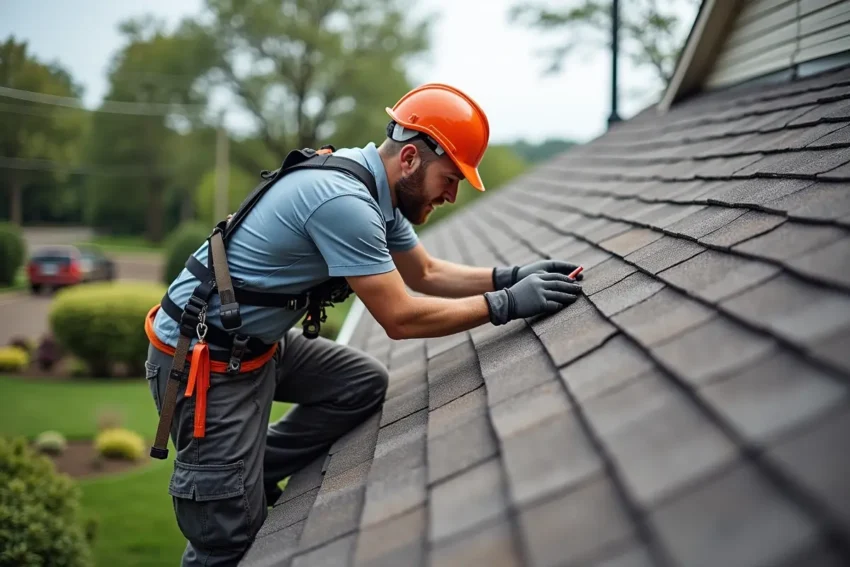
Proper maintenance is the secret to extending the lifespan of your residential roof and avoiding expensive repairs. Regular care ensures your roof remains a strong barrier against the elements while keeping your home safe and energy-efficient. Whether your roof is new or has already seen a few seasons, utilizing the expertise of a full-service roofing contractor can make a significant difference in prolonging its performance.
Neglecting your roof, even unintentionally, can lead to leaks, water damage, and higher energy bills. A proactive approach helps uncover problems early and provides peace of mind no matter what the weather brings. With consistent attention to key maintenance tasks, you can reduce the likelihood of major repairs and ensure your roof continues to protect your family and investment.
Schedule Regular Roof Inspections
Annual roof inspections are a cornerstone of preventive maintenance. Even if your roof looks solid, subtle issues like cracked shingles, deteriorating sealant, or obscure leaks may go unnoticed. A qualified roofing professional will check for early signs of wear, damaged flashing, animal nests, and drainage problems that could go undetected by the untrained eye.
Most roofing experts recommend booking an inspection each year or following any severe weather event. This habit helps catch trouble before it turns into an expensive emergency, safeguarding your home’s structure and interior.
Clean Gutters and Downspouts Frequently
Gutters and downspouts are critical to channeling water safely off your roof and away from your foundation. If they become clogged with leaves or debris, water can back up, causing rot at the roof’s edge, compromising shingles, and even promoting mold growth inside the home.
Cleaning gutters at least twice a year, especially in the spring and fall, is essential for optimal drainage. Installing gutter guards can reduce debris build-up, but they also require occasional cleaning. Pay extra attention to gutter corners, valleys, and joints, where clogs often start and water may pool instead of draining properly.
Ensure Proper Attic Ventilation and Insulation
Attic ventilation and adequate insulation are often underestimated in their impact on roof health. Without balanced airflow, heat and moisture accumulate, prematurely aging roofing materials and fostering mold growth. Well-planned ventilation using ridge, soffit, and gable vents allows trapped heat and moisture to escape, keeping the roof deck and insulation dry.
Proper insulation reduces temperature fluctuations inside your attic, preventing ice dam formation and keeping your home comfortable year-round. These combined efforts promote energy efficiency and preserve your roof’s integrity, resulting in lower utility costs and minimized risk of roof damage.
Trim Overhanging Tree Branches
Trees add beauty and shade, but branches that stretch over your roof pose a hazard during storms. High winds can snap limbs onto your shingles, damaging the surface and even the underlying structure. Persistent branch movement also wears away shingle granules over time. Tree debris, such as leaves and needles, accumulates on the roof and in gutters, retaining moisture and encouraging moss growth.
To reduce these risks, regularly prune tree branches so they remain several feet away from your home. This not only protects your shingles and flashing but also increases air circulation to keep roof surfaces dry and discourages pests from taking up residence. Larger or older trees near your property may require professional trimming for safety.
Address Moss and Algae Growth Promptly
Moss and algae can quickly get out of control if left unattended. These organisms hold moisture against the roof surface, hastening shingle deterioration and sometimes causing roof leaks. Prevention measures, like installing zinc or copper strips near the roof ridge, can significantly reduce algae and moss development thanks to the metal ions they release during rainfall. If you spot areas of growth, treat them with specially formulated roof cleaners rather than pressure washing, which may damage the shingles.
Repair Minor Issues Without Delay
Even minor problems, such as a missing shingle, minor crack, or small leak, should never be left unaddressed. Water infiltration can spread quickly, damaging roofing layers, insulation, and even your home’s interior walls or ceilings. Immediate repair or replacement of compromised materials is always less expensive and disruptive than fixing advanced water damage down the road.
Whenever a maintenance task feels too complex or unsafe, consult with a professional to ensure repairs are handled correctly the first time. Staying on top of small fixes is an investment in the long-term health of your entire roof system.
Maintain Flashing and Sealants
Flashing consists of metal or rubber seals placed around roof features such as chimneys, skylights, and valleys. It protects some of the most vulnerable parts of your roof. Deterioration of these components often leads to leaks that can affect attic insulation and structures below. Inspect flashing and roof sealants at least twice a year, watching for cracks, corrosion, or breaks in the seal.
Re-sealing joints promptly and repairing damaged flashing prevents water intrusion and extends the lifespan of your entire roofing system. Professional assistance is advised for major repairs or when working around complex roof features, as specialized tools and materials are often required.
Prepare Your Roof for Winter
Preparation for winter is a crucial part of roof maintenance. As the temperature drops, melting snow from the roof can refreeze at the edges to form ice dams. These dams block water drainage and can force water under shingles, leading to rot and leaks inside your home. Ensure your attic insulation and ventilation are proper to keep the roof temperature consistent and minimize the risk of ice dams. Remove lingering leaves or debris from gutters and valleys before the first freeze, reducing the chances of water back-up that leads to leaks.
By following these tips, you can confidently maintain your roof’s condition and protect your home year after year. Remember, regular care backed by professional advice ensures your roof will continue to safeguard your family for decades to come.