
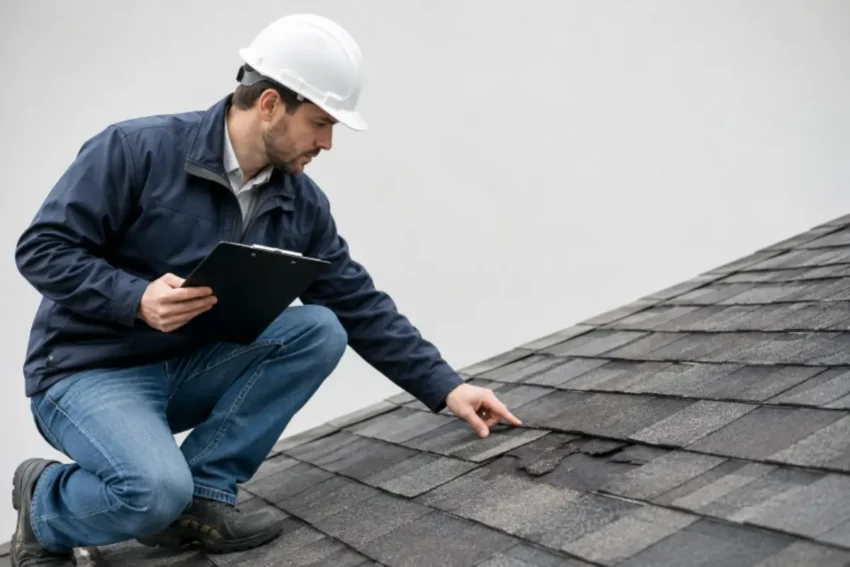
A roof leak, a patch of missing shingles, or a ceiling stain can make homeowners feel they need an immediate answer. In Fort Mill, South Carolina, deciding between a targeted fix and a full roof replacement should begin with the condition of the entire roofing system, not with one visible symptom.
That distinction matters in an area where rain, thunderstorms, wind, and occasional severe weather can expose weak points around flashing, vents, valleys, and roof edges. The Town of Fort Mill advises residents to prepare for rain, thunderstorms, and hurricanes, conditions that can create property concerns beyond a simple cosmetic issue.
Why the Choice Can Be Difficult
A low repair estimate can be appealing, especially when the damage looks limited. On the other hand, an aging roof can make a full replacement seem like the only sensible option. Neither conclusion is automatically correct. Water often travels along decking or framing before it becomes visible indoors, so the location of a ceiling stain may not identify the entry point.
The practical question is whether the problem is isolated or part of a broader pattern. Roof age, the number of affected areas, previous leaks, material condition, attic moisture, and the state of the roof deck all help shape that answer.
Repair Versus Replacement
A roof repair corrects a defined defect while leaving most of the existing roof in place. It may involve replacing a small area of damaged shingles, repairing flashing, replacing a vent boot, or addressing a limited source of the leak. A replacement generally removes the existing roof covering and may also involve underlayment, flashing, ventilation components, or damaged decking if any of these items need attention.
For Fort Mill homeowners, a properly scoped roof repair can be appropriate when the surrounding materials remain sound, and the cause of the problem is clear. A patch that merely covers a symptom, however, may not prevent the next leak.
When Repair May Make Sense
Repair is often the more reasonable path when the roof still has useful service life, and damage is limited to a defined area. Signs that may lean toward repair include:
- One small, identifiable area is damaged.
- The roof has not developed a pattern of recurring leaks.
- Most shingles or other roof-covering materials remain intact and firmly attached.
- Accessible decking appears solid, without widespread staining, softness, or sagging.
- Compatible replacement materials are available.
- Earlier repairs have resolved issues rather than repeatedly failed.
A durable repair should address the cause of the water or wind damage. For example, replacing damaged shingles without correcting failed flashing nearby may leave the original pathway for water in place.
When Replacement Deserves Consideration
Replacement warrants more serious consideration when the roof is failing as a system rather than at a single point. Widespread cracking, curled shingles, exposed areas, repeated leaks, or damage across multiple slopes can indicate that a limited patch will not provide a lasting result.
- Leaks return after previous repair attempts.
- Damage appears in several areas of the roof.
- Roofing materials show widespread wear or loss of protective surface material.
- The deck feels soft, visibly sags, or shows signs of moisture-related deterioration.
- Several components, such as shingles, flashing, and ventilation details, need work at once.
- A storm affected a broad section of the roof.
Age is useful context, but it should not decide the outcome alone. A newer roof can withstand significant storm damage, while an older roof may have a single repairable defect.
What an Inspection Should Cover
A meaningful roof inspection looks beyond the obvious damaged spot. It should consider roof-covering materials, flashing, valleys, penetrations such as vents or chimneys, roof edges, gutters, attic conditions, and accessible decking. Written findings and photographs can help homeowners compare recommendations and understand the proposed scope.
Document concerns from the ground or from inside the attic when it is safe to do so, but avoid climbing onto the roof without appropriate training and fall protection. The National Weather Service notes that severe thunderstorms can bring damaging wind and hail, making post-storm roof access especially hazardous.
Cost, Timing, and Future Plans
The lowest initial price is not always the lowest long-term cost. Repeated repairs can add up if the roof is near the end of its useful life, while a replacement may be premature if a localized defect can be corrected reliably. Consider these questions before approving work:
- How much useful life does the existing roof appear to have?
- Is there a risk that opening the damaged area will reveal additional work?
- Will repaired materials reasonably match the existing roof?
- Could delaying work increase the chance of interior water damage?
- Are other projects, such as attic insulation or solar installation, planned soon?
- Is the home likely to be sold in the near future?
Compare written estimates by scope, not just the final number. A clear estimate identifies materials, tear-off work if applicable, potential decking repairs, cleanup, disposal, warranty terms, and payment expectations.
What to Do After Storm Damage
After a storm, protect people and belongings first. Move valuables away from active drips, place containers under leaks, and take dated photos from inside and from the ground. If damage may be covered, review the insurance policy and contact the carrier before authorizing major work.
Keep inspection notes, photographs, receipts, and estimates together. A professional assessment should distinguish sudden storm-related damage from ordinary wear and identify any temporary measures needed to limit further water intrusion.
Questions to Ask Before Approving Roofing Work
- What caused the problem, and where is it located?
- How much of the roof is affected?
- Is a lasting repair realistic, or would it only delay larger work?
- What is the condition of the accessible roof deck?
- What work is included, and what could create additional cost?
- How will the area be protected if weather changes during the project?
- What material and workmanship warranty terms apply?
A Simple Repair-or-Replace Checklist
Use this comparison as a starting point, not as a substitute for an inspection:
- Damage size: One defined area leans toward repair. Multiple slopes or broad sections lean toward replacement.
- Leak history: A single isolated event may be repairable. Repeated leaks suggest a larger issue.
- Overall condition: Sound surrounding materials support repair. Widespread deterioration supports replacement.
- Decking: Solid decking supports a targeted approach. Rot, softness, or sagging requires more extensive evaluation.
- Likely outcome: Choose repair when it can reasonably correct the cause. Consider replacement when patches are likely to be temporary.
Common Questions From Homeowners
Does one roof leak mean the whole roof needs replacement?
No. A single leak can come from a localized issue, such as damaged flashing or a failed vent component. The rest of the roof should be evaluated before making a decision about replacement.
Is repair always less expensive than replacement?
Repair usually has a lower immediate cost. Its long-term value depends on whether it resolves the underlying issue and how much serviceable life remains in the roof.
Can homeowners inspect their own roofs?
Homeowners can look for missing materials, debris, sagging, and interior staining from safe locations. Walking on a roof can create fall risks and may damage roofing materials.
The Practical Way to Choose
For Fort Mill homeowners, repair is often sensible when damage is isolated, and the surrounding roof remains healthy. Replacement becomes more reasonable when problems are widespread, leaks continue, or the roof has little useful life left. A documented inspection and a detailed scope of work can clarify the decision and reduce the risk of paying for work that does not address the real problem.