
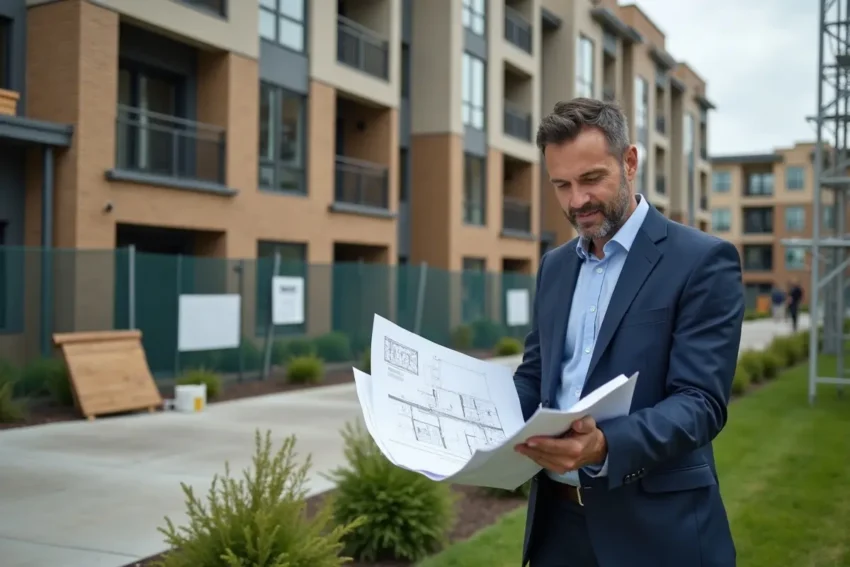
The most successful rental properties share a common trait: their appeal was engineered long before the first foundation was poured. Savvy investors understand that tenant demand stems from strategic decisions made during the planning phase, not cosmetic touches added after construction. By prioritizing location analysis, market research, and design choices that resonate with target renters, you create a competitive advantage that translates into higher occupancy rates and premium rental income from day one.
Select locations with proven rental demand
The foundation of rental success lies in choosing areas where tenants actively seek housing. Before you buy land to build a rental cottage, analyze employment hubs, transportation access, and demographic trends that signal sustained rental demand. Properties near universities, medical centers, or expanding business districts consistently outperform isolated locations. Proximity to amenities like grocery stores, parks, and public transit increases appeal across tenant segments. Verify zoning regulations permit your intended use and research average vacancy rates in surrounding neighborhoods to confirm market strength.
Design floor plans that match tenant priorities
Modern renters prioritize functional layouts over square footage alone. Open-concept living areas, sufficient storage, and dedicated workspace have become essential features rather than luxuries. Configuration matters: two-bedroom units with distinct separation appeal to roommates and small families, while studio layouts with defined zones attract young professionals. Include practical elements like in-unit laundry hookups, ample closet space, and energy-efficient appliances. Survey comparable rentals in your target market to identify features that command higher rents and reduce turnover.
Incorporate durability into material selection
Choosing materials that withstand tenant turnover reduces long-term maintenance costs and preserves property appeal. Luxury vinyl plank flooring offers aesthetic appeal with superior durability compared to carpet or hardwood. Quartz countertops resist staining and damage better than laminate alternatives. Select paint finishes rated for high-traffic areas and hardware designed for frequent use. These choices may increase upfront costs but deliver returns through reduced repair expenses and maintained visual quality between tenancies. Quality materials also signal professionalism that attracts responsible tenants willing to pay market rates.
Prioritize low-maintenance exterior solutions
Exterior choices impact curb appeal and operational efficiency simultaneously. Fiber cement siding, composite decking, and metal roofing require minimal upkeep while maintaining attractive appearance for decades. Xeriscaping with native plants reduces water consumption and landscaping labor. These decisions decrease recurring expenses while ensuring the property presents well to prospective tenants during showings.
Build flexibility into unit configurations
Adaptable spaces broaden your tenant pool and extend market relevance as preferences evolve. Bonus rooms function as home offices, nurseries, or guest spaces depending on tenant needs. Convertible dens with closets can legally qualify as bedrooms in many jurisdictions, increasing rental value. Neutral design palettes allow tenants to personalize without requiring property modifications. This flexibility means your property appeals to diverse demographics rather than a narrow segment, reducing vacancy risk and supporting rent growth over time.
Plan for technology infrastructure from the outset
Connectivity has become a non-negotiable expectation for renters across all age groups. Pre-wire units for high-speed internet with multiple ethernet ports in living and bedroom areas. Install smart thermostats and keyless entry systems that tenants value for convenience and security. Ensure adequate electrical capacity for modern device loads and consider USB outlets in common areas.
Properties lacking robust technology infrastructure face immediate disadvantage in competitive markets. These installations cost significantly less during construction than as retrofits, making early implementation both practical and economical for maximizing rental competitiveness.