
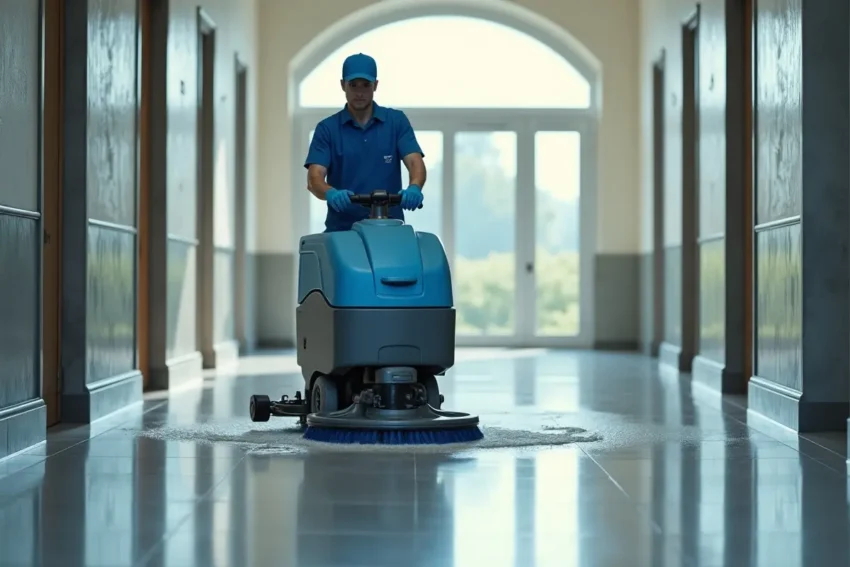
Floor scrubbers are indispensable in maintaining cleanliness and safety in commercial and industrial environments. However, like all machinery, they can experience issues that disrupt operations and lead to costly repairs. Understanding common problems and implementing preventive measures can significantly extend the life of your equipment and ensure consistent performance.
For expert assistance with floor scrubber maintenance, consider Bay Area Floor Machine Co., a trusted provider of repair services in the San Jose area. They offer comprehensive solutions, including on-site service and planned maintenance programs, to keep your equipment operating efficiently. Learn more about their services here: floor scrubber maintenance.
1. Battery Issues
One of the most frequent problems with floor scrubbers involves battery performance. Symptoms include the machine stopping unexpectedly, reduced runtime, or prolonged charging times. To mitigate these issues:
- Regularly inspect battery connections and terminals for corrosion or looseness.
- Follow proper charging cycles and avoid deep discharges when possible.
- Replace batteries that show significant decline in capacity.
Implementing a routine battery maintenance schedule can prevent unexpected downtimes and extend the lifespan of your equipment.
2. Worn Brushes and Pads
Brushes and pads are the primary contact points between the scrubber and the floor. Over time, they can wear out, leading to ineffective cleaning and potential damage to floor surfaces. To prevent this:
- Inspect brushes and pads regularly for signs of wear.
- Replace them according to the manufacturer’s recommendations or when visible wear is evident.
- Ensure you’re using the correct type of brush or pad for your specific floor surface.
Regular replacement of these components ensures optimal cleaning performance and protects your flooring from damage.
3. Water and Solution System Failures
Issues with the water and cleaning solution system can result in insufficient cleaning or water leakage. Common problems include clogged nozzles, leaking tanks, or improper solution mixtures. To address these:
- Inspect and clean nozzles and hoses regularly to prevent blockages.
- Check the solution tank for cracks or damage and repair as needed.
- Use the correct solution-to-water ratio to prevent residue buildup.
Maintaining the water and solution system ensures effective cleaning and prevents potential water damage to the machine and facility.
4. Squeegee and Vacuum Problems
The squeegee and vacuum system are responsible for removing dirty water from the floor. Malfunctions can leave floors wet, creating safety hazards. To prevent this:
- Adjust squeegee height and angle for proper contact with the floor.
- Replace worn squeegee blades to maintain effective water pickup.
- Inspect vacuum hoses and motors for blockages or leaks and address any issues promptly.
Ensuring the squeegee and vacuum system are in good working order is vital for leaving floors dry and safe after cleaning.
5. Electrical and Sensor Malfunctions
Modern floor scrubbers often rely on sensors to detect water levels, brush pressure, or battery status. Electrical malfunctions can impair functionality. To mitigate these issues:
- Regularly inspect electrical connections and wiring for signs of wear or damage.
- Ensure sensors are clean and free from debris that could affect their accuracy.
- Address error messages on control panels promptly by consulting the manufacturer’s guidelines or seeking professional assistance.
Proactive maintenance of electrical components and sensors helps prevent unexpected failures and ensures the scrubber operates efficiently.
6. User Error
Improper use of floor scrubbers can lead to various issues, from mechanical failures to inefficient cleaning. To reduce the risk of user-induced problems:
- Provide comprehensive training for all operators on proper machine use and maintenance.
- Encourage operators to report any issues immediately to prevent minor problems from escalating.
- Implement a checklist for operators to follow before and after each use to ensure the machine is in good working condition.
Educated and attentive operators are key to maintaining the longevity and effectiveness of floor scrubbers.
7. Lack of Regular Maintenance
Neglecting routine maintenance is a leading cause of floor scrubber failures. Establishing a preventive maintenance schedule can help identify and address issues before they become major problems. This includes:
- Regularly checking and replacing worn parts.
- Cleaning the machine thoroughly after each use to prevent buildup of debris.
- Scheduling professional servicing as recommended by the manufacturer.
Consistent maintenance practices not only extend the life of the equipment but also ensure it operates at peak efficiency.
Additional Tips for Prolonging Equipment Lifespan
Along with addressing the common causes of floor scrubber failures, several additional practices can enhance the performance and longevity of your machines. Using only manufacturer-approved replacement parts ensures compatibility and preserves warranty coverage. It’s also wise to maintain a logbook of all repairs and maintenance tasks completed.
This documentation makes it easier to identify recurring problems and ensures accountability among staff. Storing equipment in a clean, dry area when not in use helps prevent corrosion and damage from environmental factors, such as excessive humidity or dust accumulation.
Furthermore, operators should regularly review safety protocols and operating instructions, as technology advances and machine features evolve. This ongoing education reduces accidental misuse and improves the overall efficiency of your cleaning operations. Investing in a reliable supplier for consumables like pads, brushes, and cleaning solutions can also minimize the risk of poor performance or operational incompatibility.
Advanced models may include telematics or remote monitoring features. Leveraging these technologies can provide early warnings of maintenance needs or pattern changes in machine use, enabling more proactive fleet management.
Conclusion
Understanding the common reasons floor scrubbers fail and implementing preventive measures can save time and money while ensuring a clean and safe environment. Regular maintenance, proper operator training, and prompt attention to issues are essential in preventing costly repairs and prolonging the life of your floor scrubber.