
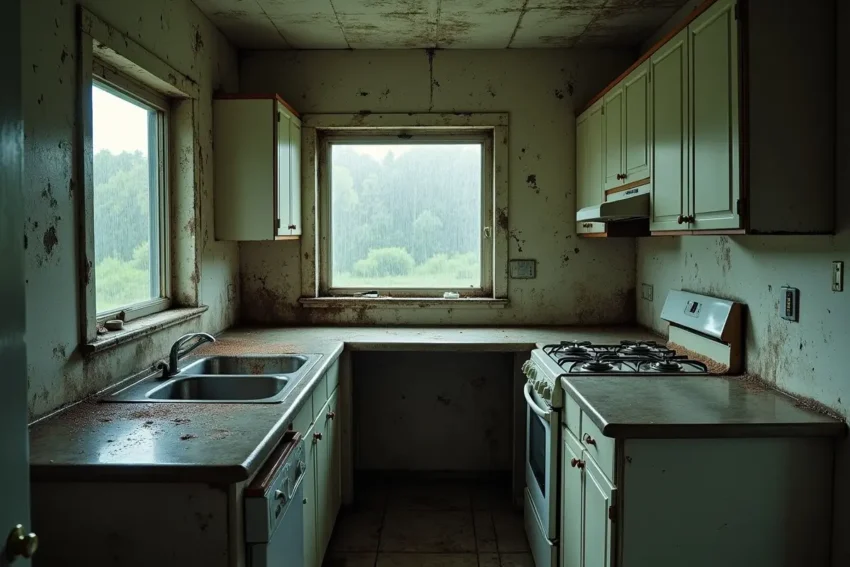
Wet weather can quickly create ideal conditions for mold growth in homes, posing potential health risks and serious damage to your property. Knowing how to protect your home with the right steps and resources is essential for creating a safe living environment. Anyone concerned about mold can find trusted help with mold removal and remediation Bluegrass that offer guidance and solutions for homeowners.
Mold can start to form in as little as one or two days when there is excess moisture. Without fast action, it can spread quickly and become difficult to manage. This not only threatens the structure of your home but can also trigger allergies and other health problems for your family.
Don’t let wet weather catch you off guard. Whether it is a sudden storm, a leaky window, or humidity building indoors, being proactive is key. Simple steps can make a big difference, and understanding what to do first can help stop mold before it starts. For those in specific locations, specialized support such as Frankfort mold removal services is available when issues become stubborn or widespread.
This article will cover what every homeowner needs to know about spotting and stopping mold, using expert recommendations and simple at-home solutions to keep your space dry and clean.
Understanding Mold Growth
Mold is a type of fungus that thrives in damp, humid environments. It can begin to form in as little as 24 to 48 hours after water exposure, whether it comes from a sudden leak or long-term humidity. Once mold spores settle in a moist spot, they multiply and spread.
Common household molds can cause sneezing, coughing, and even asthma attacks. People with allergies or weakened immune systems are especially at risk. Being aware of the conditions that encourage mold growth—such as standing water or high indoor humidity—can help you keep your home safe.
Immediate Steps After Water Intrusion
When heavy rain, flooding, or plumbing issues leave water in your home, acting fast can prevent serious mold outbreaks. Here’s what to do right away:
- Remove Standing Water: Use mops, pumps, or wet-dry vacuums to quickly remove water.
- Dry the Area Thoroughly: Set up fans and dehumidifiers to dry carpets, furniture, walls, and floors as soon as possible.
- Get Rid of Damaged Materials: Throw out anything that cannot dry completely, such as wet insulation or certain types of carpeting.
According to the Centers for Disease Control and Prevention, drying items and spaces within 48 to 72 hours is key. Otherwise, mold can get a foothold and be hard to remove.
Maintaining Optimal Humidity Levels
Keeping the air in your home at the right humidity level helps stop mold. The best range is 30-50 percent. Air that is too wet creates an environment where mold will thrive. Here are several ways to control indoor moisture:
- Dehumidifiers: Use these especially in basements and rooms that are naturally damp.
- Air Conditioning: Not only cools your home but also removes moisture from the air in summer.
- Monitor with Hygrometers: These devices let you check humidity levels and adjust as needed.
Many health departments agree that these simple tools can keep homes safe from excess moisture and mold growth.
Ensuring Proper Ventilation
Ventilating your home, especially rooms that often get very moist, is another important step.
- Exhaust Fans: Always run them when showering or cooking to draw humid air outside.
- Open Windows: On dry days, a flow of fresh air can help reduce indoor moisture.
- Maintain HVAC Systems: Regularly clean or replace filters, and have HVAC units inspected to prevent mold growth.
Good airflow prevents damp spots from forming and stops mold before it can settle in.
Regular Home Inspections and Maintenance
Preventing mold before it forms is easier than dealing with it later. Inspect your home as part of your routine:
- Look for Leaks: Pay close attention to the roof, windows, and plumbing. Fix any problems right away.
- Clean Gutters: When gutters get clogged, water can overflow and seep into walls or foundations.
- Seal Cracks: Seal any gaps in your foundation or walls to keep water out.
Making these practices part of your regular upkeep will reduce the risk of trouble spots that lead to mold.
Using Mold-Resistant Materials
If your home is often exposed to moisture, such as in bathrooms, kitchens, or basements, choose products built to resist mold. Mold-resistant drywall and paint with mold inhibitors are good investments. These products are especially helpful for preventing long-term issues in new builds or during renovations.
When to Seek Professional Help
If mold covers a large space, keeps coming back, or is causing health issues, it’s time to call professionals. Mold specialists can locate hidden moisture, safely remove contaminated materials, and restore your home. They have the experience and tools to tackle large or stubborn outbreaks while keeping your family safe.
Conclusion
Preventing mold during wet weather requires quick action, proper indoor conditions, good ventilation, and regular maintenance. By understanding the signs of mold and knowing when to seek help, you protect both your health and the value of your home.