
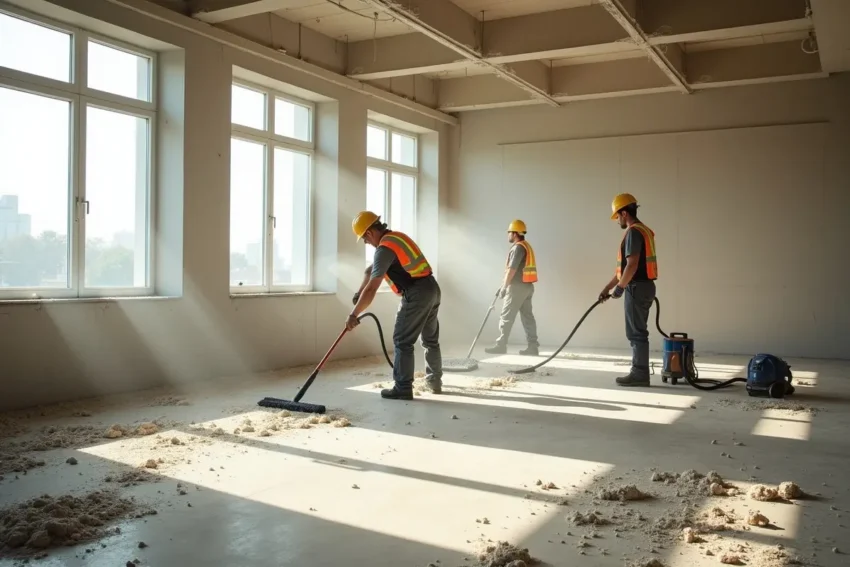
A walk-ready project is the standard for every reputable general contractor, custom home builder, and developer. Post-construction cleaning is not just about appearance. It is about achieving a punch-list-ready site, minimizing hazards, and setting up for the final walkthrough and certificate of occupancy without complications. Thorough cleaning upon project completion will protect your reputation, minimize delays, and demonstrate your commitment to end-user safety and satisfaction.
Construction sites generate a significant amount of debris, adhesives, dust, and potential irritants. Whether you are working on custom homes, multi-family developments, or commercial spaces, a rigorous post-construction cleaning plan should be in place early, so you can bring in expert post construction cleaning services to deliver a project that is move-in ready, hazard-free, and up to the standards of modern builders’ associations. This step also helps prevent minor oversights from becoming costly corrections later in the handover process.
Contractors and project managers should assign post-construction cleaning tasks to specialists to free up crews and ensure OSHA compliance, particularly regarding dust exposure, for safe final-stage work. Small remodelers and homeowners require detailed cleaning to eliminate drywall dust and adhesive, creating a clean, safe, and presentable environment that is essential for occupant safety and customer satisfaction.
For crews considering outside help, see this list of must-ask questions before hiring post construction cleaners. Choosing the right cleaning partner can make a significant difference in both the final presentation and overall project satisfaction.
Three Phases of Construction Cleanup: From Rough to Touch-Up
Rough Clean: Clearing the Way for Finish Trades
The rough cleaning begins after major construction and mechanical rough-in, focusing on debris removal and initial sweeping to contain dust. This creates a safe, organized workspace for finish carpenters, painters, and flooring installers. It includes clearing debris from horizontal surfaces, vacuuming subfloors, and bagging trash for disposal. Additionally, it helps identify and report larger punch-list items that could impact the finishing process.
Final Clean: Ready for Walkthrough and Inspection
Once trades are completed, the final cleaning prepares the space for client walkthroughs or inspections. Cleaning teams thoroughly address all surfaces, including windows, millwork, fixtures, and tiles, removing adhesive residue, grout haze, and paint. Floors are vacuumed and mopped carefully, with extra attention to high-touch fixtures. The use of HEPA vacuums is standard to capture airborne dust such as drywall and silica, reducing hazards and avoiding inspection issues. Non-HEPA vacuums may spread dust and lead to problems.
Touch-Up Clean: Last Mile for Handover
No matter how thorough the initial cleaning, dust and smudges inevitably accumulate during punch list completion and occupancy prep. The touch-up clean is the last phase, targeting only the areas showing new dust or spots left by trades performing final adjustments or by municipal inspectors walking the site. This touch-up ensures a pristine presentation for project owners, preventing last-minute surprises when keys are handed over.
OSHA-Aware Dust Control and Fixture Protection in Practice
Controlling dust and safeguarding new finishes during construction cleanup are essential to health and safety, as well as to project approval. Standard dust containment techniques, such as poly sheeting, zip walls, and HEPA filtration, are employed in both commercial and residential projects. Sealing vents, using tack mats, and changing PPE across zones help prevent cross-contamination. Masking fixtures protect against scratches, etching, or dust infiltration. Using cleaners recommended by manufacturers ensures finishes remain warranty-compliant and free of blemishes, which experienced professionals verify during punch list inspections.
OSHA requires written hazard communication and documented PPE use for all teams handling hazardous substances and working in dust-prone environments. Training and adherence to these policies protect both trades and owners. Find comprehensive industry guidance at NAHB Safety and Health Resources. Additionally, maintaining consistent dust control protocols throughout all construction phases helps reduce rework and supports a cleaner, safer final walkthrough environment.
Scheduling Cleanup to Meet Inspections and Certificate of Occupancy
Integrating cleanup into your master schedule reduces friction at turnover. The rough clean should follow immediately after the main structural work and before painters or flooring trades arrive. The final clean is best scheduled after punch-list completion, when all trades except inspectors are off-site. Schedule the touch-up clean within 24-48 hours of the final walkthrough, so owners are greeted by a spotless space and no dust resettling occurs between cleaning and keys-in-hand.
Communicate openly with cleanup crews about your construction sequence. Coordinate with superintendents and PMs to ensure no overlap with ongoing trades. This disciplined sequencing keeps all teams safer, reduces crew downtime, and helps achieve a certificate of occupancy without inspection delays.
Partnering with Professional Post-Construction Cleaners
Subcontracting cleanup to specialists means access to commercial-grade extraction equipment, advanced dust containment, and OSHA-trained personnel who understand the critical moments for a safe, professional handoff. It frees up your team for essential tasks, eliminates compliance headaches, and reduces risks associated with improper debris handling or surface damage.
Professional partners understand local and federal requirements, warranty clauses, and the nuances of builder punch lists, making them an asset for both large and boutique projects.
Frequently Asked Questions
How much does post-construction cleaning cost?
Specialized cleaning for construction projects varies widely based on square footage, complexity, site type, and cleanliness requirements. Nationally, rates range from $0.10 to $0.75 per square foot, with larger or more cluttered sites trending higher. Consult industry resources or your preferred cleaning partner for a tailored estimate.
How long does each phase take?
Rough cleans for average single-family projects may take half a day, while final cleans can take a full day or more, depending on the project’s size and complexity. Commercial projects or those with severe dust or debris may require phased scheduling and additional labor. Bringing in a professional team streamlines the effort and ensures deadlines are met.
Why not use my own labor for post-construction cleaning?
Post-construction cleaning requires HEPA filtration systems, surface-safe solvents, and specialized dust containment that regular labor may not provide. Professional cleaners are trained for compliance with OSHA and EPA standards, reducing your liability and ensuring a pass on municipal inspections.
Is it necessary for smaller renovation projects?
Yes. Even a kitchen or bath remodel generates fine dust and debris that affect indoor air quality and occupant safety. Small projects benefit from phased cleaning as much as larger developments do, supporting owner satisfaction and avoiding unnecessary callbacks.
What documentation should I expect from a cleaning partner?
Professional post-construction cleaners provide documentation of insurance, safety training, and sometimes written verification of HEPA usage and OSHA compliance. This protects both contractors and clients during final inspection and handoff.