
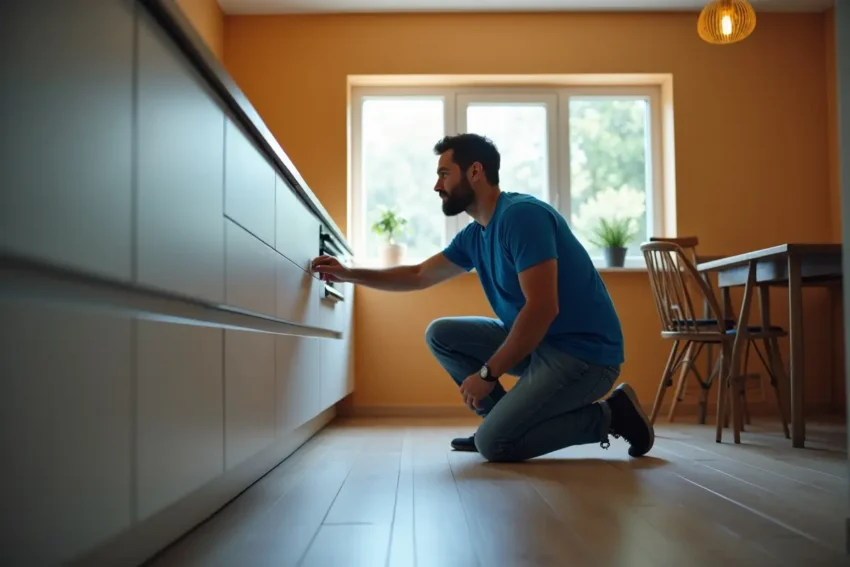
Kitchen cabinets often take up more visual space than any other feature in the room, so a change in finish can make a substantial difference without altering the footprint. For homeowners whose storage and layout already work, kitchen cabinet painting is one possible way to update worn wood tones, dated colors, or scuffed surfaces.
That said, paint is a surface solution, not a structural one. It can refresh sturdy cabinet faces and frames, but it will not repair weak boxes, solve awkward traffic flow, add needed storage, or stop moisture damage around a sink or dishwasher.
Why Painting Still Makes Sense
Keeping usable cabinets in place can reduce demolition and limit the scope of a kitchen update. When doors fit correctly, shelves are firm, and the boxes are sound, painting may leave room in the budget for changes such as lighting, hardware, a backsplash, or improved drawer organizers.
It is also a focused option for a kitchen that feels visually tired rather than functionally inadequate. A careful finish update can make the room feel cleaner and more intentional while retaining familiar cabinet placement and daily routines.
Although cabinet work and commercial exterior painting involve very different environments, both illustrate why surface preparation, appropriate coatings, and realistic maintenance expectations matter more than color alone.
Check Cabinet Condition First
Inspect the cabinets before buying samples or planning a schedule. Look beneath the sink for swelling, press on cabinet sides and shelves for soft spots, and check doors for cracks, warping, or loose joints. Open every drawer to see whether the slides bind, and inspect the hinges for sagging or rubbing.
Quick Inspection Checklist
- Check for bubbling laminate, peeling thermofoil, and lifting edges.
- Look for grease buildup, smoke residue, and old coatings that may resist adhesion.
- Test whether doors close evenly and drawer fronts remain square.
- Note minor dents, missing hardware, and loose joints that can be repaired first.
Small defects are often manageable. Crumbling particleboard, extensive water damage, or badly warped doors are different problems. In those cases, replacement parts or a larger renovation may offer a more durable result than applying paint over failing material.
Compare Painting, Refacing, and Replacement
- Painting: Best for sound cabinets that need a color or finish change. It provides a visual update but keeps the same cabinet layout and door style.
- Refacing: Best when the cabinet boxes are solid but doors and drawer fronts need replacement. It changes the visible faces while retaining the existing framework.
- Replacement: Best for major damage, insufficient storage, or a kitchen layout that no longer serves the household. It offers the most flexibility but also creates the most disruption.
Plan the Color and Finish
Cabinet colors should be tested in the actual room, not selected from a screen or small paint card alone. Countertops, flooring, backsplash materials, wall paint, window direction, and artificial lighting can all shift how a color appears. Warm whites, soft greiges, clay shades, sage greens, muted blues, and darker natural tones can all work when their undertones suit the surrounding materials.
Choosing a Sheen
- Matte: Low glare and soft-looking, but may show marks more easily.
- Satin: A balanced choice with moderate sheen and practical cleanability.
- Semi-gloss: Durable and easier to wipe, especially in high-use kitchens.
- High-gloss: Reflective and dramatic, but more likely to reveal surface flaws.
Know What Proper Preparation Includes
Preparation determines whether a new finish looks smooth and stays intact. Remove doors, drawer fronts, and hardware, then label each piece for easy reassembly. Clean and degrease all surfaces; repair dents and loose joints; sand or degloss the existing coating as needed; remove dust; apply a compatible bonding primer; and use thin, even coats of cabinet-grade paint.
Drying is not the same as curing. Paint may feel dry to the touch while remaining soft beneath the surface, so reinstalling doors too soon can cause dents, sticking, and damaged edges. For homes built before 1978, follow lead-safe renovation practices for painted surfaces before sanding or disturbing older coatings.
Understand Project Costs
Paint is only one part of the budget. Labor for cleaning, masking, sanding, repairs, primer, spraying or brushing, hardware removal, and cleanup may have a greater effect on the final estimate. Recent 2026 cabinet-painting cost data shows why homeowners should treat broad averages as planning tools rather than fixed local prices.
Request written estimates that identify surface preparation, repair work, number of coats, materials, application method, cure time, and cleanup. Comparing scope helps prevent a lower total from masking skipped preparation steps.
Decide Between DIY and Professional Work
A small kitchen with simple, solid-wood doors may be manageable for a patient homeowner with painting experience and a clean workspace. Professional help may be more practical when cabinets have heavy grease, glossy finishes, detailed profiles, glass inserts, extensive repairs, or a desired sprayed finish.
Protect the Finished Cabinets
Use a soft cloth and mild soap for routine cleaning, wipe standing water quickly, and avoid abrasive pads or strong solvents. Keep the leftover paint label, color, and sheen information for future touch-ups. Adjust loose hinges promptly so doors do not rub against painted edges.
Common Questions
Can any kitchen cabinets be painted?
Many wood, MDF, and previously painted cabinets can be painted. Laminate and thermofoil may need specialized preparation and compatible primers, while severely damaged surfaces may not be good candidates.
When should cabinets be replaced instead?
Replacement is usually the stronger choice when cabinet boxes are weak, water-damaged, badly warped, or unable to meet the kitchen’s storage and layout needs.
Should hardware be changed at the same time?
New knobs or pulls can complement a painted finish. Measure existing hole spacing before ordering hardware so new pieces fit without unnecessary drilling or patching.
Conclusion
The best cabinet update begins with an honest assessment of its condition. If the boxes are sturdy and the layout still works, thoughtful preparation, a suitable finish, and realistic care can create a meaningful visual change. When damage or function is the real issue, painting may only postpone a larger decision.