
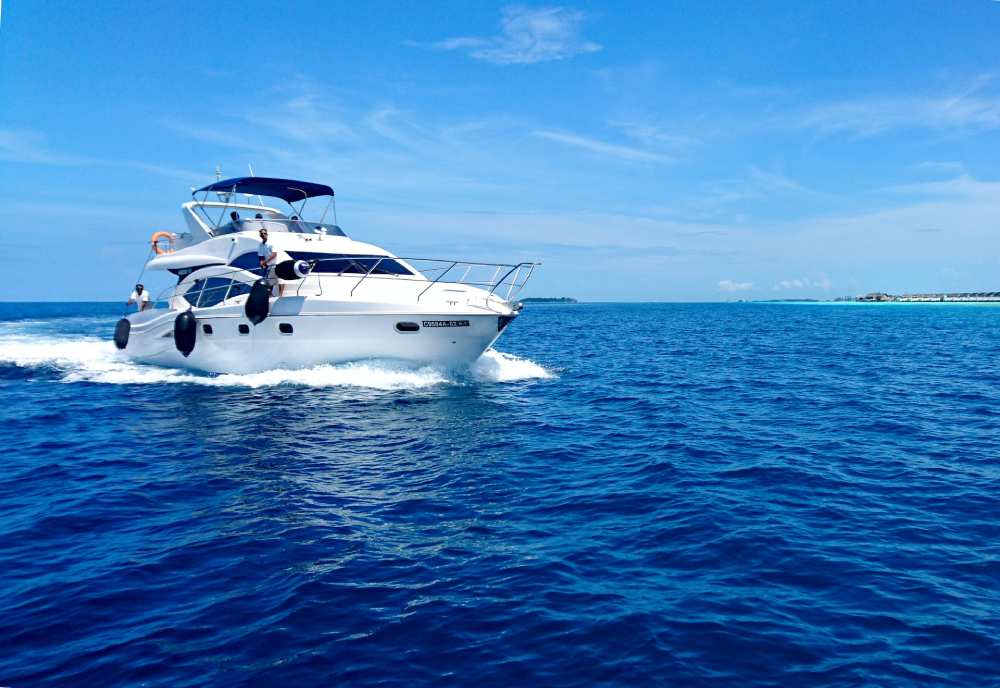
Sustainability is more than just a trend; it’s an essential practice for yacht owners to uphold. From minimizing waste to taking on a captain and crew with proper yachting etiquette, read about some of the most responsible ways to sail.
Prioritize eco-friendly products and provisions. For example, using biodegradable cleaning products and toiletries minimizes water pollution and harm to marine life.
Avoid Polluting the Sea
Over 80% of ocean pollution comes from land-based activities, including dumping (such as plastics and other waste), agricultural run-off (including nitrogen-based fertilizers), and industrial and corporate activity. These pollutants reduce water clarity, removing oxygen and causing algal blooms that poison and kill marine life.
Ships are also significant sources of ocean pollution. Crude oil lasts for years and can poison marine species and damage habitats.
A yacht can be part of the solution by avoiding environmentally sensitive areas and utilizing designated navigation channels at sea. When you book a yacht charter, ensure it prioritizes sustainable materials and renewable energy sources to minimize its reliance on fossil fuels and use green cleaning products and eco-friendly provisions onboard.
Finally, it can limit the freshwater used onboard by implementing water-efficient fixtures and encouraging guests to take shorter showers. It can also collect and use saltwater for non-potable purposes such as deck cleaning or engine cooling to reduce the boat’s freshwater supply demand.
Be Aware of Navigation Limits
Navigating responsibly requires skills and knowledge, including training and certification for skippers and crew, planning carefully and following safety regulations, being attentive to weather and sea conditions, adhering to navigation limits, and having adequate yacht insurance coverage.
It is also essential for yacht owners and crew to respect the ecological, cultural, and reputational impact of navigating responsibly by following best practices when it comes to waste management and disposal, avoiding throwing garbage overboard, anchoring in sensitive areas, and using environmentally friendly watersports equipment.
When cruising in marine environments, yacht owners should be mindful of environmentally sensitive habitats and avoid damaging delicate ecosystems such as coral reefs and seagrass beds. In addition, yachts should use quiet propulsion systems and reduced speeds to minimize noise pollution and protect marine mammals and other species from disturbance.
In addition, yacht owners and their crew should adhere to responsible fishing practices by respecting size and catch limits, releasing non-target species unharmed, and adopting sustainable fishing methods.
Respect Marine Life
The excitement of seeing marine life up close is a massive part of the appeal of sailing, but it’s important to respect their safety and that of boaters. Keep your distance, especially for marine mammals, and never chase them; vessel strikes devastate whales and other sea creatures.
Responsible yachts also favor permanent mooring buoys over throwing anchors, which can damage reefs and rip seagrass meadows where marine life depends for food and shelter. They may also use an anti-splashback system to prevent fuel splashing when refueling and use eco-friendly biodegradable cleaning and hygiene products.
Practice Green Navigation
Navigating responsibly is vital to the yachting experience and ensures your voyage goes as smoothly as possible. It involves following the rules and regulations that govern navigation and being aware of the weather conditions. It also means being prepared for unforeseen circumstances, such as sudden storms or high winds, that can quickly turn your trip into a dangerous adventure.
Skippers and crew play an essential role in navigating responsibly, as they are responsible for the safety of all aboard. They should be well-trained and experienced in their roles and have appropriate yacht insurance to cover any damages or injuries caused by improper navigation.
Additionally, yachts should practice eco-friendly water management by avoiding discharges and waste that can harm the marine environment. They should also avoid causing noise pollution, as underwater noise can disrupt sea mammals and other aquatic species that heavily rely on sound for communication and navigation. This is done by maintaining a reduced speed and using quiet propulsion systems onboard.