
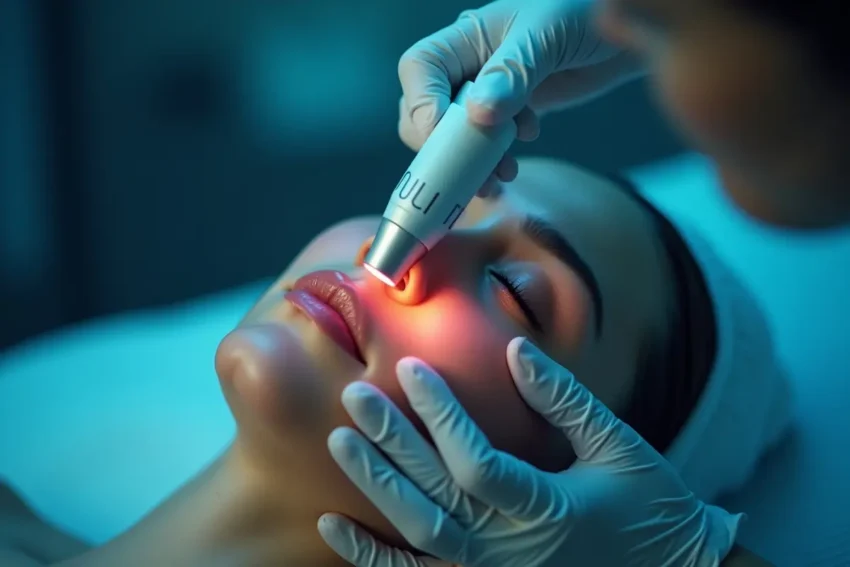
There’s a stretch before any major event, a wedding, a reunion, a milestone birthday, when everyone starts asking the same question: what can I actually do in the next few weeks that will make a real difference? Makeup covers a lot, but it can’t fix texture, tone, or the kind of dullness that builds up over a long winter. That’s where laser treatments come in. They work beneath the surface, which means the results last longer than anything topical, and most options require little to no downtime.
Why Laser Treatments Have Become the Go-To Option
Laser treatments target deeper layers of skin than a facial or a peel ever can. They stimulate collagen, address pigmentation, and soften fine lines from the inside out. Because the improvement happens below the surface, results tend to build gradually and hold longer than something applied topically. When performed by a qualified professional, this category of treatment has become one of the more trusted paths to visible rejuvenation without surgery.
Laser Skin Resurfacing
This is the treatment most people picture when they think “laser facial.” It works by removing damaged outer layers of skin while heating the tissue underneath to encourage new collagen growth. The result is smoother texture, reduced fine lines, and a noticeably more even tone. Recovery time varies depending on the intensity of the treatment, from a light refresh with almost no downtime to a deeper resurfacing that needs a few days to heal.
Pigmentation and Redness Correction
Sun spots, redness, and uneven tone respond well to targeted laser wavelengths that break down excess pigment or calm visible blood vessels. Unlike creams that fade pigmentation slowly over months, laser treatments can visibly reduce these concerns in a handful of sessions.
Laser Hair Removal
Less about anti-aging and more about convenience, laser hair removal remains one of the most requested treatments heading into any season where skin shows more. Multiple sessions are needed for lasting results, since hair grows in cycles, but most people see a significant reduction after a full course of treatment.
What to Look for in a Provider
Not all laser treatments are created equal, and a lot of the outcome depends on who’s holding the device. A few things worth checking before you book:
- Proper licensing and training for whoever will be operating the equipment. Health Canada’s guidance on cosmetic and medical laser devices outlines the kind of safety oversight these devices are expected to meet in a clinical setting, and it’s worth checking that a provider’s equipment and staff meet that standard.
- A consultation before treatment, since skin tone, skin type, and the specific concern all affect which laser and settings are appropriate.
- Realistic expectations about timeline, since most laser treatments require more than one session to see full results.
If you’re researching where to go, clinics such as Serene Radiance Laser Center build their consultations around exactly this kind of assessment, matching the treatment and settings to the person rather than running a one-size-fits-all protocol.
Timing Your Treatment Right
Laser treatments that affect pigmentation can temporarily increase sun sensitivity, so timing matters. Booking sessions a few weeks out from a big event, rather than the day before, gives your skin time to settle and lets any mild redness or peeling resolve before you actually need to look your best.
Estheticians commonly recommend avoiding direct sun exposure for a period after treatment, which is worth planning around if your event involves travel somewhere sunny. The Canadian Dermatology Association publishes general patient guidance on what to expect from professional skin procedures, which is a useful read while you’re weighing your options.
Frequently Asked Questions
How many laser sessions does it typically take to see results? Most laser skin treatments require a series of sessions, often three to six, spaced several weeks apart, to see full results. Laser hair removal in particular depends on hitting hair in its active growth cycle, which is why a single session rarely produces a lasting outcome.
Is laser treatment safe for all skin tones? Modern laser technology has expanded to safely treat a wider range of skin tones than earlier devices could manage, but not every laser is appropriate for every skin type. This is one of the main reasons a proper consultation matters before any treatment begins.
How long before an event should I book a laser treatment? Most professionals recommend booking laser treatments at least two to four weeks ahead of a big event, giving your skin time to heal from any redness or peeling and letting the full results of the treatment show through.
Do laser treatments hurt? Sensation varies by treatment type and the area being treated, but most people describe it as a warm snapping feeling rather than significant pain. Numbing cream is commonly used for more sensitive areas or more intensive treatments.