
O’Fallon homeowners know that indoor comfort can change quickly with the weather. A room that feels stuffy in July or chilly near the floor in January may have more than one cause, but insulation and air leakage are often part of the picture. For property owners exploring https://www.ifoam.com/ofallon-mo/services/spray-foam-insulation/, the first step is identifying which part of the home needs attention and why.
A successful insulation upgrade treats the house as a connected system. The roof, exterior walls, foundation, ducts, ventilation equipment, and indoor humidity all affect one another. The right material in the wrong location can leave comfort issues unresolved, while a well-planned upgrade can help create more evenly distributed temperatures throughout the home.
Why the Room Matters
Insulation slows heat flow, but each area of a home faces different conditions. An open attic floor may allow for blown-in insulation, while a finished wall cavity offers limited access. A basement or crawl space may also face moisture from the soil or foundation, which means water management must come before closing in a new insulated assembly.
Available cavity depth, plumbing, electrical wiring, ventilation paths, and the condition of existing materials all influence the best choice. This is why a single product is rarely the ideal choice for every room in an O’Fallon home.
Signs Your Home May Need Better Insulation
Comfort complaints can point to insulation gaps or uncontrolled air movement, although HVAC issues, roof leaks, and duct problems can produce similar symptoms. Watch for practical warning signs such as:
- Rooms that stay noticeably warmer or colder than the rest of the house.
- Drafts near attic hatches, baseboards, doors, windows, or recessed fixtures.
- Cold floors above a crawl space, garage, or unfinished basement.
- Visible gaps, compressed batts, stains, dampness, or pest damage in exposed insulation.
- Musty odors or condensation around walls, windows, or foundation areas.
- Uneven snow melt or recurring ice buildup along roof edges.
Attic Insulation: Often the Best Place to Start
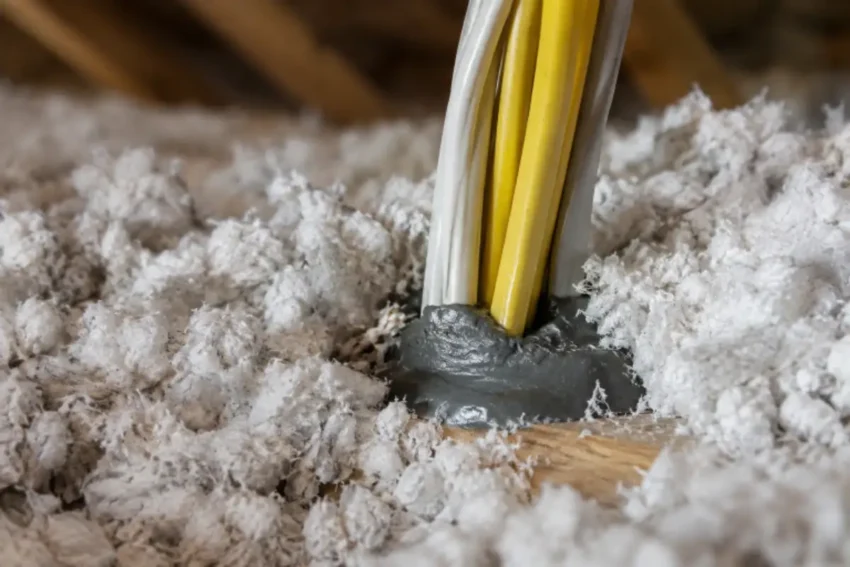
Attics are a common starting point because they can combine insufficient insulation with numerous ceiling penetrations. Plumbing stacks, wiring holes, duct openings, recessed lights, and attic hatches can allow indoor air to escape into the attic if they are not properly sealed.
Common attic options include blown-in fiberglass for broad coverage, cellulose for topping up an attic floor, and spray foam for selected rooflines, tight spaces, or air-sealing details. Ventilation paths must remain clear. Covering soffit vents or directing bath fan exhaust into the attic can create moisture concerns rather than solve them.
Exterior Wall Insulation
Exterior wall projects depend heavily on access. During remodeling or siding replacement, installers may be able to add cavity insulation or continuous exterior insulation more efficiently. For finished walls, a drill-and-fill approach may be considered when the wall assembly and existing conditions are appropriate.
Fiberglass batts, mineral wool, dense-pack cellulose, spray foam, and rigid foam can all have a role in wall assemblies. The important detail is fit. Gaps, voids, compressed batts, and unsealed transitions can reduce real-world performance. Plumbing leaks and damaged siding should be corrected before insulating a wall cavity.
Basement Insulation
Basement insulation needs to address heat loss and moisture at the same time. Foundation walls, rim joists, slab edges, and utility penetrations can all affect comfort. Before finishing a basement, inspect for water stains, active leaks, damp masonry, or mold growth.
The need to correct basement moisture problems before remodeling is especially important because enclosing damp materials can make future repairs more difficult. Drainage, grading, downspouts, and plumbing should be evaluated before new insulation and finishes are installed.
Crawl Space Insulation
Crawl spaces generally follow one of two strategies. The floor above the crawl space may be insulated, or the crawl space walls may be insulated as part of a conditioned enclosure. The right approach depends on local conditions, existing vents, moisture levels, mechanical equipment, and the overall home design.
Preparation should include checking for standing water, wet soil, plumbing leaks, pest activity, damaged insulation, and large gaps around pipes or ducts. Service access and required inspection areas should remain available. Insulation should never be used to hide an active moisture problem.
Comparing Common Insulation Materials
- Fiberglass: Common in attics, wall cavities, and floors. It should fit snugly, without compression, and remain dry.
- Cellulose: Often used in attic floors and wall cavities. It can cover irregular spaces effectively but should be protected from moisture.
- Mineral wool: Used in walls, floors, and assemblies where sound control or fire resistance is a consideration. Careful fitting remains important.
- Spray foam: Useful for selected gaps, rim joists, rooflines, and difficult-to-reach areas. Proper preparation, application, and curing procedures are essential.
- Rigid foam: Common in foundation and exterior wall assemblies. Seams, edges, drainage details, and required fire protection need attention.
Why Air Sealing Comes First
Insulation and air sealing do different jobs. Insulation resists heat flow, while air sealing limits unintended airflow through cracks and openings. The common air leak locations identified by the U.S. Department of Energy include attic hatches, recessed lights, plumbing penetrations, rim joists, ducts, and connections between building materials.
Caulk, weatherstripping, compatible sealants, and properly detailed materials can help reduce drafts before insulation is added. If combustion appliances are present, a qualified professional should also consider combustion safety and ventilation needs before substantially tightening the building enclosure.
Moisture Control and Indoor Air Quality
Warm indoor air can carry moisture into cooler cavities, where condensation may occur under the wrong conditions. Repair roof, plumbing, foundation, and siding leaks before enclosing an area. Bathroom fans and kitchen exhaust equipment should discharge outdoors rather than into an attic, crawl space, or other enclosed part of the home.
Indoor humidity, ventilation, radon testing when appropriate, and the condition of combustion equipment should be part of a larger home-performance conversation. A tighter home should have intentional airflow, not uncontrolled drafts or trapped moisture.
A Practical Planning Checklist
- List rooms with drafts, temperature swings, odors, or moisture concerns.
- Inspect accessible attics, basements, and crawl spaces for visible damage.
- Repair water entry, roof leaks, plumbing leaks, or drainage issues first.
- Identify obvious air leaks around access panels and penetrations.
- Compare materials based on the location, not price alone.
- Ask for the proposed insulation level, air-sealing scope, and ventilation plan.
- Review access needs, safety steps, cleanup, and any curing requirements before work begins.
How Much Insulation Does a Home Need?
The answer depends on the part of the house, existing insulation, available space, local code requirements, and climate guidance. A contractor or energy professional can help determine a suitable target for the specific assembly.
Should Old Insulation Be Removed?
Removal may be necessary when insulation is wet, contaminated, pest-damaged, or blocking repairs. Clean, dry material may sometimes remain if it is compatible with the planned upgrade.
Is a Home Energy Assessment Worth Considering?
A detailed assessment can help identify hidden air leaks, moisture issues, and areas of poor insulation before money is spent on materials that may not address the real problem.
Conclusion
The best insulation plan for an O’Fallon, Missouri home starts with the room’s actual conditions. By considering air leaks, moisture, ventilation, access, and installation quality alongside R-value, homeowners can make improvements that support comfort, durability, and better year-round performance.