
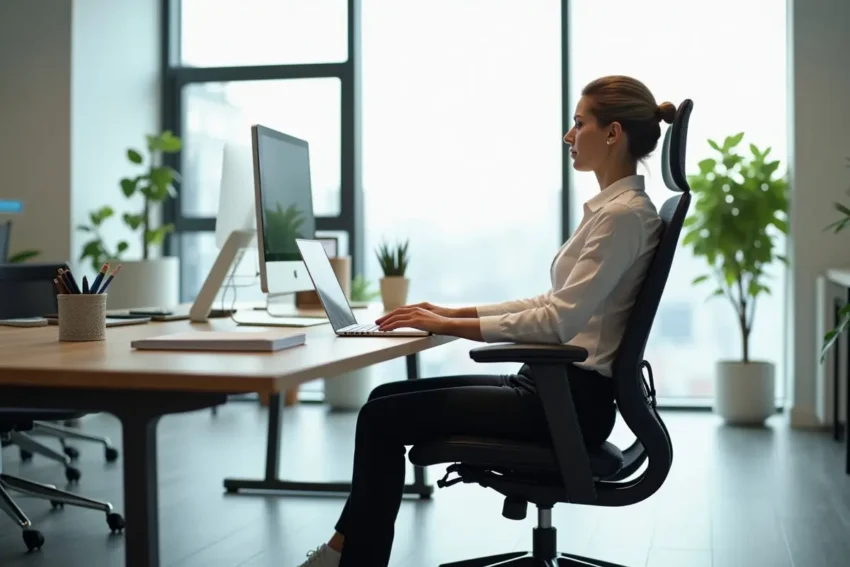
Practicing good posture extends well beyond simply looking confident or standing up straight. How you hold yourself as you work, walk, or relax has a direct impact on your physical health, mental state, and even your energy levels throughout the day. Many people underestimate the far-reaching effects of poor alignment until symptoms such as persistent back pain, headaches, or fatigue set in.
Taking steps to support healthy posture can make a significant difference in how you feel on a daily basis, and in some cases, the right provider, such as a Coral Springs Florida chiropractor, can play a key role in identifying and addressing the root causes of posture-related discomfort.
Good posture not only helps protect the spine but also ensures your muscles and joints function efficiently. As technology becomes increasingly central to modern life, people are spending more time seated and hunched over screens, which can accelerate joint problems and contribute to long-term health concerns. Being proactive in recognizing these issues and making mindful adjustments lets you reclaim control over your physical and mental wellness.
The Physical Impacts of Poor Posture
Chronic slouching or poor body alignment causes undue stress on muscles and ligaments throughout the back, neck, and shoulders. Over time, this ongoing strain can lead to tight, painful muscles, tension headaches, and an increased risk of injury. Joint pain and spine degeneration are not uncommon side effects of years spent sitting in a hunched or unsupported position. According to experts, poor posture can also compress your lungs, reducing lung capacity by up to 30 percent. This limits oxygen intake, making you feel tired and less able to focus or perform physical activities optimally.
The impact does not stop with the musculoskeletal system. When you sit with a collapsed posture, your digestive organs can be compressed, slowing the movement of food through the tract and increasing the likelihood of indigestion, heartburn, or reflux. By simply adjusting how you sit or stand, you can improve nutrient absorption and enhance digestive efficiency. For people dealing with ongoing pain or unexplained fatigue, posture is well worth investigating as part of a comprehensive solution.
Mental Health and Emotional Well-being
Mind and body are closely connected, so it is no surprise that posture shapes mood, resilience, and even confidence levels. Research highlights that sitting upright correlates with increased enthusiasm, alertness, and higher self-esteem, while slumped posture often leads to negative feelings such as sadness, anxiety, and decreased motivation. It is not just about appearances; sitting in a slouched position sends signals to the brain associated with stress and powerlessness. In contrast, an upright posture promotes positive hormonal activity, helping you feel more in control and energized.
Social interactions are also influenced. Posture can affect how others perceive you, but more importantly, it affects how you interact with the world. Reports suggest that people who consistently maintain open, confident postures are better equipped to manage social situations and stress. This makes body awareness a cornerstone not only of physical health but also of emotional balance.
Posture in the Digital Age
With the increased reliance on digital devices, the average person spends hours each day sitting and interacting with technology. This shift to a sedentary lifestyle means posture problems are at an all-time high. Hunching over laptops or clutching smartphones can place significant strain on the neck, upper back, and shoulders, leading to a condition often referred to as “tech neck.” Over time, these bad habits can develop into chronic pain and reduced mobility, impacting not only comfort but also daily productivity.
Fortunately, practical solutions are available. Investing in ergonomic office furniture, making regular time for movement and stretching, and keeping devices at eye level can all help prevent long-term damage. Short breaks to stand and stretch, even for a minute or two each hour, are proven strategies for interrupting unhealthy sitting patterns and supporting better circulation and flexibility.
Simple Exercises to Improve Posture
You do not have to visit a gym to strengthen your posture. Specific, beginner-friendly exercises can be done right from your work chair or home office to ease strain and promote body awareness. These three simple exercises are recommended by yoga professionals for daily use:
- Seated Cat-Cow: This gentle spinal movement increases flexibility and helps you tune into core alignment as you breathe deeply.
- Seated Backbend: Opening the chest and supporting the mid and upper back, this movement counteracts the effects of slumping over devices.
- Seated Spinal Twist: This stretch increases mobility in the thoracic spine and engages stomach muscles for improved spinal support and alignment.
These exercises can be incorporated into your routine throughout the day, particularly during work breaks or at home, to relieve tension and encourage mindful posture.
Mindful Practices for Better Posture
Improving posture is not limited to exercise; it also demands mindfulness. Pay attention to your sitting and standing habits, gently correcting yourself when you notice slumping or tension. Modify your daily environment for success by arranging your desk, monitor, and chair to reduce strain on the back and neck. Consider setting reminders to move or stretch at intervals.
Regular check-ins and adopting a posture-aware mindset throughout the day can help reinforce positive changes, allowing healthier habits to take root. Over time, you may notice improved energy, reduced discomfort, and a generally more positive outlook.
Conclusion
Posture influences nearly every facet of daily living, from physical comfort to emotional health. By understanding the consequences of poor alignment and embracing simple corrections through exercise and mindfulness, you can build a foundation of wellness that supports greater comfort, confidence, and vitality in all areas of life. Sometimes, guidance from a professional can be invaluable for achieving better results and lasting change.