
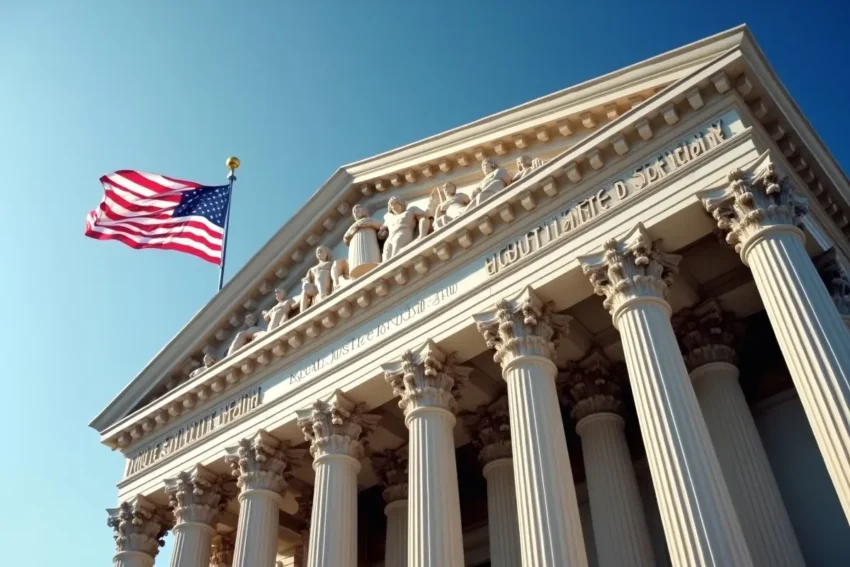
Lawsuits play an essential role in shaping modern democracy. They provide a direct way for individuals and organizations to challenge governmental decisions, ensuring that authorities remain accountable to the people. Legal action does not just resolve disputes; it frequently helps define the boundaries of power and reinforces the rule of law. For a real-time view of high-profile cases influencing democracy today, click here to explore current litigation shaping national policy debates.
Through the courts, citizens have a platform to defend civil liberties and demand government transparency. Lawsuits can both check abuses of power and prompt long-lasting societal improvements. In recent years, the increased willingness to litigate reflects the strong value people place on this method of democratic participation.
Legal challenges brought before the judiciary also reinforce democratic principles such as equality, individual rights, and fair process. In every era, shifts in public policy and rights protections have often been driven by carefully fought legal battles. The impact of these lawsuits reverberates throughout society, often influencing legislation and shaping public attitudes.
When individuals take legal action, they do more than pursue their interests. They set important precedents and clarify the law, helping to chart the course of democracy for future generations.
Historical Context
The tradition of using litigation to drive social change has shaped key moments in democratic societies. Throughout the 20th century, courtrooms became battlegrounds for fundamental rights and freedoms. The Civil Rights Movement is a primary example of this, where lawyers worked strategically to end legal segregation and expand equal protection under the law. One of the most influential cases from this era, New York Times v. Sullivan (1964), drastically broadened protections for the press and elevated free speech as a hallmark of democratic life. T
Litigation has also been central in battles over school desegregation, voting rights, and gender equality. Over time, these cases established legal foundations still used today to evaluate government policies according to constitutional standards. The courts’ willingness to interpret and enforce rights has shown that democracy thrives when legal systems are open to public scrutiny and challenge.
Landmark Cases and Their Impact
- Brown v. Board of Education (1954): This decision held that state laws establishing separate public schools for Black and white students were unconstitutional. The ruling not only ended school segregation but also became a symbol for equality and justice nationwide.
- Roe v. Wade (1973): By upholding a woman’s right to privacy, the Supreme Court nationalized access to abortion care, igniting decades-long debates about reproductive freedom and privacy rights.
- Citizens United v. FEC (2010): This controversial decision allowed corporations and unions to spend unlimited amounts in political campaigns, reshaping the landscape of campaign finance and influencing how elections are run.
The outcomes of these cases have shaped not only government actions but also the day-to-day experiences of millions of Americans. By setting legal precedents, the judiciary has repeatedly steered public policy toward greater fairness and protection of rights.
Recent Trends in Political Litigation
Recently, there has been a marked increase in lawsuits directly addressing foundational aspects of democracy, particularly surrounding voting procedures and the use of executive power. Disputes over ID requirements, voter registration purges, and early voting restrictions have prompted a surge of court battles over access to the ballot box. Equal access to voting remains a contentious and rapidly evolving legal issue.
Litigation over gerrymandering, the process of drawing electoral district lines to favor a party, remains at the forefront. Cases such as Gill v. Whitford put the judiciary in the position of deciding what constitutes a fair electoral system. At the same time, legal challenges to executive actions, such as immigration bans or changes in environmental policy, underscore the courts’ vital role in balancing government power with individual rights.
The Role of Citizens in Legal Challenges
Ordinary citizens, advocacy groups, and nonprofit organizations have all used the courts to advance their interests and enforce accountability. Participating in litigation empowers people to have a voice beyond the ballot box, allowing them to challenge perceived injustices and push for reform even if legislative avenues are closed.
These actors not only defend their individual rights but often speak for wider communities, making litigation a tool for collective advancement. By filing lawsuits and following cases through lengthy court processes, citizens reinforce the foundations of democratic participation and oversight.
Challenges and Criticisms
- Resource Constraints: Legal action can require significant financial resources and time, placing it out of reach for many people. The complexity and length of legal battles can also limit public participation.
- Judicial Overreach: Some critics argue that the judiciary can overstep its proper role by making political or policy decisions that arguably belong with elected representatives. This debate frequently resurfaces after major court rulings with broad social impact.
- Political Polarization: The increasing reliance on the courts to resolve political disputes can intensify divisions and cause the public to view courts as partisan actors rather than neutral arbiters.
Conclusion
Lawsuits have significantly shaped contemporary democracy by giving citizens a means to correct injustices and influence public policy. While navigating legal action can involve real costs and social tensions, its role in upholding constitutional values and individual liberties remains indispensable. As society continues to evolve, the judicial system will remain a crucial forum for addressing the most pressing political and social questions of our time.