
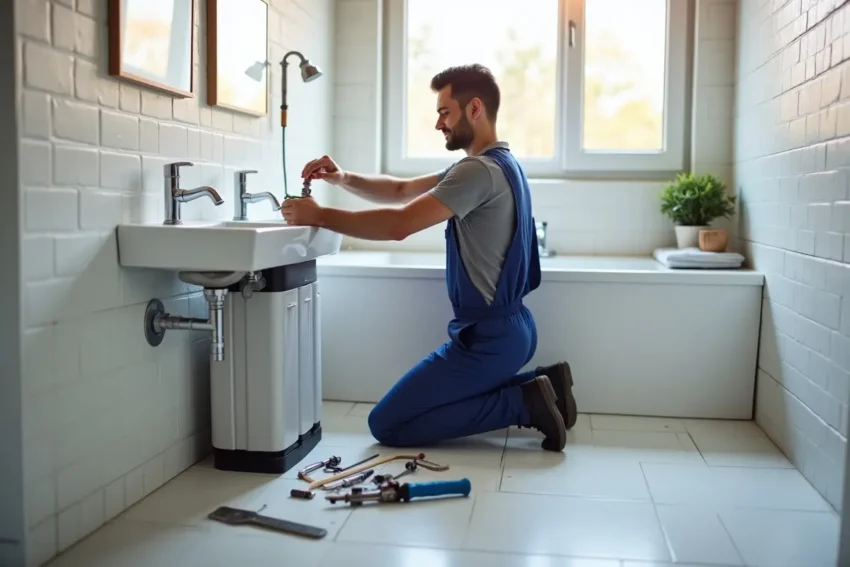
Many homeowners are surprised to discover just how significantly hard water can impact daily living, often leading them to consider installing a water softener. From inefficient appliances to persistent cleaning struggles, the effects of hard water can show up in many unexpected ways. If you have noticed white deposits around your faucets or your skin feels dry after every shower, you may be starting to wonder if investing in water softeners makes sense for your home.
Hard water is a widespread issue across the United States, but it can be managed with the right approach. Knowing what to look for and how to test for hardness will help you make a confident decision about how to address it. This comprehensive guide will break down the key signs that indicate hard water, explain testing methods, and walk you through the steps to select and maintain an effective water softening system for your needs.
Understanding Hard Water
Hard water is defined by elevated concentrations of minerals, mainly calcium and magnesium, which are dissolved as water passes through soil and rock. The presence of these minerals will not adversely affect your health, but they can undermine the performance of your home’s water-based systems and the quality of cleaning. According to the U.S. Geological Survey, water with a hardness greater than 7 grains per gallon (GPG) is considered hard and may benefit from treatment.
Common Signs of Hard Water
The presence of hard water can reveal itself through noticeable everyday inconveniences and long-term issues. Some of the most telling indicators include:
- Scale Buildup: White, chalky stains or deposits appearing on faucets, showerheads, kettles, and inside appliances such as dishwashers.
- Soap Scum: Residue left on soap dishes, shower walls, skin, and hair after use, making cleaning chores more time-consuming.
- Spotty Dishes: Glasses and plates look cloudy or bear spots after being washed and air-dried.
- Dry Skin and Hair: Showers lead to dry and irritated skin, while hair can become dull, brittle, or difficult to manage.
- Faded Laundry: Over time, laundry becomes stiffer, scratchy, and loses its color vibrancy.
- Reduced Water Pressure: Mineral deposits inside pipes contribute to slower water flow and may gradually require costly plumbing repairs.
Noticing just a couple of these symptoms could indicate you are living with hard water. If you observe several, your water is very likely to be hard.
Testing Your Water Hardness
While visual clues are helpful, accurately diagnosing hard water depends on measurable testing. There are two main approaches available:
- DIY Test Kits: Widely available from hardware stores and online, these kits include test strips or tablets that offer an easy snapshot of your water’s hardness. Follow the instructions to immerse the strip in tap water and compare the color result against the provided chart for a grain per gallon (GPG) reading.
- Professional Testing: Water professionals or local labs can provide precise results by analyzing a sample from your home. This is especially useful for complex situations or if you need detailed documentation for warranty purposes.
Whichever method you select, testing provides a clear foundation for next steps, ensuring you are not guessing when it comes to protecting your household systems.
Benefits of Installing a Water Softener
Solving a hard water problem can have wide-reaching benefits:
- Extended Appliance Lifespan: Removing minerals protects water-using appliances and plumbing, reducing repair bills and extending the useful life of your dishwasher, washing machine, and water heater.
- Improved Cleaning: Soft water enhances soap and detergent performance, making it easier to keep dishes, clothing, and surfaces truly clean.
- Healthier Skin and Hair: You may experience less dryness and irritation after showers, and hair may feel smoother and shinier.
- Energy Efficiency: Appliances like water heaters operate more efficiently without scale buildup, which can also lead to lower utility costs and reduced environmental impact.
These benefits combine to make home care less stressful, less expensive, and more comfortable.
Choosing the Right Water Softener
There are many types and models of water softeners available, each with specific characteristics. To choose the right one for your household, keep these considerations in mind:
- Capacity: The system should be sized to match your water usage and the number of people in your home for consistent performance.
- Regeneration Process: Softeners regenerate by flushing minerals from the resin, usually triggered by either a timer or on demand (metered by water use). Demand-initiated models are often more efficient and cost-effective.
- Maintenance Requirements: Evaluate how much upkeep, such as reloading salt and occasional cleaning, will be needed and whether you prefer a low-maintenance solution.
Using comparisons and reviews on reputable industry websites, such as Consumer Reports, can be helpful in the selection process.
Maintenance and Care
Like any major home investment, water softeners deliver the best results with regular care:
- Regular Salt Refilling: The brine tank should be kept filled with suitable salt, typically checked every four to six weeks, depending on household demand.
- Cleaning: Occasionally clean out the resin tank and brine tank to prevent residue buildup, which can compromise efficiency.
- Inspection: Look for signs like salt bridges or unusually high salt consumption, and inspect hoses and connections to catch minor issues before they grow.
Adhering to routine maintenance ensures your investment continues to deliver value and keeps your water soft and free of mineral buildup.
Conclusion
Understanding hard water and its effects is vital for maximizing your home’s comfort and minimizing wear on major appliances. Watching for the right signs, properly testing your water, and investing in a suitable water softener can deliver tangible benefits: longer appliance life, better cleaning results, savings on utility bills, and noticeably healthier skin and hair. By following this guide, you can make an informed decision about softening your household water and enjoy a lasting improvement in your quality of life.