
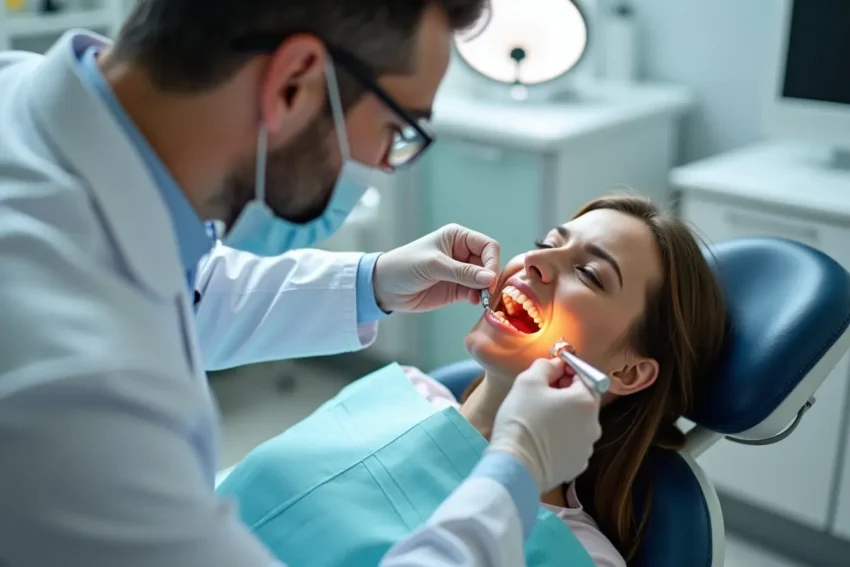
Full mouth dental implants offer a transformative, stable solution for people missing most or all of their teeth. These advanced systems use multiple implants to anchor prosthetic teeth, restoring essential oral function and aesthetics. For those looking to move beyond removable dentures, dental implants provide a natural appearance and lasting comfort. This comprehensive guide explores the procedure, its advantages, and essential patient guidance to make an informed decision about full arch restoration.
If you have struggled with discomfort or insecurity due to significant tooth loss, understanding the process and benefits of full-mouth dental implants is the first step toward a restored smile and improved quality of life. With modern techniques, patients can once again enjoy the confidence to eat, speak, and laugh without worry. It is also important to note that diligent oral hygiene routines are crucial for long-term implant success, as is collaborating with an experienced dental team.
What Are Full Mouth Dental Implants?
Full-mouth dental implants are the process of replacing all teeth in the upper, lower, or both jaws using a series of titanium implants that serve as artificial tooth roots. These implants are surgically embedded in the bone and serve as anchors for a full bridge or denture, making them a fixed, natural-feeling alternative to traditional, removable dentures.
Each implant supports the forces of everyday activities, such as eating and speaking, replicating the function of natural teeth. The stability and design of these implants provide a comfortable, confident user experience.
Benefits of Full Mouth Dental Implants
- Restored Functionality: Implants permit normal chewing and speech, allowing you to enjoy your favorite foods and converse clearly.
- Natural-Looking Results: Prosthetic teeth are custom-crafted to match your gums and adjacent teeth for a realistic appearance.
- Bone Health Preservation: Unlike traditional dentures, implants help stimulate jawbone tissue, preventing the bone loss that commonly occurs after tooth removal.
- Long-Term Durability: With excellent oral hygiene, dental implants can last for several decades or even a lifetime, making them among the most durable tooth-replacement options.
The Procedure: Step by Step
- Initial Consultation: The process begins with a thorough examination, including digital X-rays and 3D imaging, to evaluate bone structure and plan the procedure for optimal implant placement.
- Surgical Implantation: Under anesthesia, titanium implants are placed in the jawbone. The number of implants varies, but typically four to eight are required per arch.
- Healing and Osseointegration: Over three to six months, the bone naturally fuses to the implant surfaces, creating a stable foundation for replacement teeth.
- Placement of Abutments: After healing, small connector pieces known as abutments are secured to each implant to support the final prosthesis.
- Attachment of Prosthetic Teeth: Custom-made, full-arch prosthetic teeth are attached to abutments, providing a functional, lifelike dental restoration.
Who Is a Candidate?
Ideal candidates for full mouth dental implants are individuals who have lost most or all of their teeth due to decay, trauma, or periodontal disease. Candidates should have adequate bone density to support implants, though bone grafting procedures are available for those with diminished bone structure. General health is also important.
Conditions that affect healing, such as uncontrolled diabetes or autoimmune disorders, may require additional evaluation. A comprehensive consultation with a dental provider will determine eligibility and recommend any necessary preparatory treatments.
Aftercare and Maintenance
Careful aftercare is fundamental to the long-term success of full mouth dental implants. A consistent routine of brushing twice daily with a soft-bristle toothbrush and flossing helps prevent peri-implant diseases. Regular dental check-ups allow professionals to assess implant integrity and provide professional cleanings. Additionally, avoiding hard or sticky foods can prevent damage to the prosthetic teeth and abutments. With these measures, patients can expect optimal results and long-lasting function.
Potential Risks and Complications
As with any surgical procedure, full mouth dental implants carry potential risks. These include infection at the implant site, injury to surrounding teeth or tissues, nerve damage, which may result in numbness or tingling, and, for implants placed in the upper jaw, possible sinus complications. While the likelihood of significant complications is low with experienced practitioners, it is essential to discuss these risks and your individual health factors with your dental provider.
Cost Considerations
The price of full-mouth dental implants varies considerably depending on location, provider expertise, the number of implants, and material choices. While the initial investment may seem high, it is often justified by the long-term benefits and reduced need for repairs or replacements compared to traditional dentures.
Some dental insurance plans may cover a portion of the procedure, and many clinics offer financing options. For those considering full-arch implants, it is recommended to obtain a detailed cost breakdown and explore available payment plans with your provider.
Final Thoughts
Full-mouth dental implants offer a life-changing solution for those affected by significant tooth loss. They not only restore oral health and function but also enhance self-confidence and overall well-being. By understanding each phase of treatment, maintaining careful oral hygiene, and working closely with a qualified dental professional, patients can look forward to many years of comfortable, beautiful smiles.