
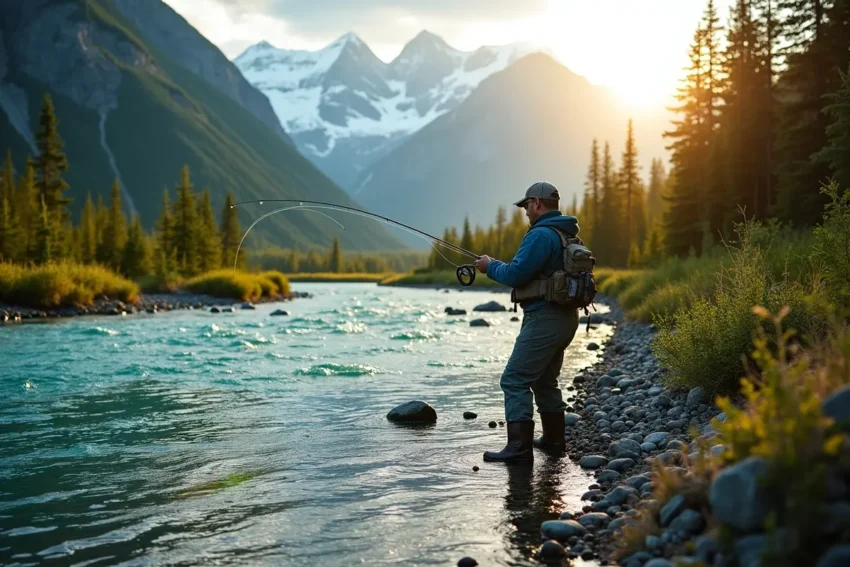
Alaska remains a dream destination for anglers thanks to its abundant waterways, pristine mountains, and world-renowned fish species. From salmon runs to trophy trout, the lure of Alaskan sportfishing draws visitors from around the world. As interest surges, so too does the responsibility to practice sustainable fishing, ensuring these rich aquatic ecosystems thrive for generations of anglers to come. For those planning unique fishing expeditions Fairbanks AK, it is vital to consider how sustainable practices can enhance both the adventure and long-term health of the region’s fisheries.
Sustainable sportfishing is not simply about following the law. It is about respecting Alaska’s landscapes and the delicate ecological balance they support. The breathtaking rivers, lakes, and coastal waters that define Alaska’s wilderness are under increasing pressure from recreational demand, climate changes, and habitat disturbance. By making responsible choices, every angler can actively contribute to the future of Alaska’s fisheries while enjoying the excitement of the catch.
Understanding what sustainable sportfishing entails is the first step. It means safeguarding fish populations, using proper release techniques, and choosing gear and charters that prioritize minimal impact on the environment. Commitment to these methods supports not only the wildlife but also the communities that rely on healthy fisheries for their way of life.
The importance of sustainability in Alaska’s sportfishing scene has grown in recent years, with both nonprofit organizations and state agencies promoting guidelines and research to maintain the health of vital waterways. Staying informed and becoming an advocate for responsible fishing ensures that today’s anglers do not become the last to experience Alaska’s legendary sportfishing.
Understanding Sustainable Sportfishing
At its core, sustainable sportfishing asks participants to fish in ways that prevent overharvesting and ecosystem damage. This includes obeying seasonal closures, respecting bag limits, and paying careful attention to the methods used to handle fish. When possible, anglers are encouraged to release fish they do not intend to keep and minimize handling to improve survival rates. Education is crucial in ensuring that these best practices become second nature for visitors and locals alike.
Key Practices for Sustainable Fishing
- Adhere to Regulations: Regulations exist not as obstacles, but as science-backed measures designed to protect fish populations and their habitats. Stay current with Alaska’s state and regional rules, as they can vary depending on species, location, and season.
- Catch and Release: Thoughtful release techniques increase the odds that fish will survive to spawn and sustain future populations. Use barbless hooks, keep fish in the water while unhooking, and avoid excessive handling or removing protective slime coats.
- Use Appropriate Gear: Select tackle and lines that minimize injury. Practice proper knot techniques to ensure you can release fish quickly and efficiently.
- Respect Habitats: Minimize disturbance to fragile streambeds, aquatic vegetation, and spawning areas. Pack out all trash, and avoid using substances that can contaminate water bodies.
Alaska’s Commitment to Sustainable Sportfishing
Nonprofit organizations and local councils have made sustainability a priority across Alaska. The Kenai River Sportfishing Association (KRSA), for example, spearheads habitat preservation, fisheries management, and educational outreach to secure the health of salmon and trout populations in the Kenai watershed. Through collaboration with governments, researchers, and the local fishing community, KRSA’s efforts highlight the potential of organized conservation.
Recent Developments in Alaska’s Sportfishing Scene
Alaska’s sportfishing opportunities continue to evolve. In Southeast Alaska, anglers recently encountered an unusual influx of tuna, presenting new and unexpected challenges for sustainable management. This development, highlighted in a recent Anchorage Daily News article, demonstrates the dynamism of Alaska’s fisheries and the need for adaptable, forward-thinking conservation efforts.
For further context on evolving sportfishing trends and the science behind effective conservation strategies, visit the resource-rich site at Field & Stream Conservation.
Choosing Sustainable Fishing Charters
The charter or guide you select plays a key role in supporting ethical fishing. Responsible operators will actively follow best practices, limit their take to preserve local stocks, and educate clients about conservation and the region’s unique biology. When researching a fishing charter, prioritize businesses that show a strong commitment to protecting fish and their habitats and supporting local economies.
- Look for charters that have clear sustainability policies and adherence to regulations.
- Ask guides about their knowledge of local ecosystems and involvement in community conservation programs.
- Choose companies that value local employment and engagement with regional conservation efforts.
Benefits of Sustainable Sportfishing
The impact of sustainable fishing extends far beyond the waterline. By following thoughtful techniques and supporting conservation-minded businesses, anglers ensure that fish populations stay robust and waterways remain healthy. This not only protects Alaska’s natural legacy but enriches the fishing experience by strengthening the connection between people, wildlife, and place. An angler’s understanding of habitat needs, population trends, and responsible methods leads to a deeper sense of stewardship and pride in protecting one of the world’s finest fishing destinations.
Conclusion
Sportfishing in Alaska is about more than tallying prize catches. It is a privilege to reel in a wild salmon or trout from pristine waters, and with that privilege comes responsibility. By embracing sustainable practices, anglers can ensure Alaska’s rivers, lakes, and coastal waters remain vibrant and accessible for future generations. The memories created on these fishing adventures become far more rewarding when paired with a genuine respect for the ecosystem and a commitment to leave Alaska better than you found it.