
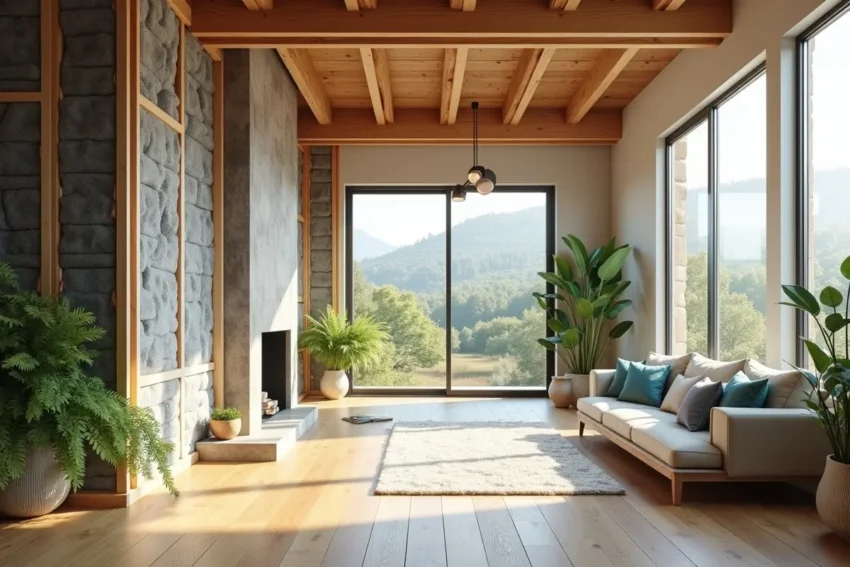
Modern homeowners are increasingly seeking ways to enhance their homes’ energy efficiency while reducing their environmental footprint. One of the simplest ways to meet these goals is by choosing sustainable insulation materials that offer both comfort and lower carbon emissions. As the demand for eco-conscious upgrades rises, insulation continues to play a key role in shaping a greener future for residential construction.
Eco-friendly insulation can yield significant long-term savings on utility bills, improve indoor air quality, and reduce a home’s overall environmental impact. As building codes and consumer awareness evolve, homeowners now have a variety of sustainable options that balance performance with environmental responsibility.
This guide will examine several of the most promising insulation materials and their environmental benefits. By exploring renewable and recycled products, families can make informed decisions about improving their home’s comfort and sustainability for years to come.
For property owners ready to take the next step, working with a qualified insulation company ensures your home’s insulation upgrade is expertly handled from start to finish.
Cellulose Insulation
Cellulose insulation is one of the greenest options available today. This material is primarily made from recycled newspaper and other paper products, diverting significant waste from landfills. Its recycled content rate often exceeds 75%, making it a favorite among sustainability advocates. Not only is it energy-efficient, but cellulose also offers natural fire-retardant properties through borate treatments, a harmless mineral additive.
In addition to its high performance and eco-friendly attributes, cellulose insulation is recognized for reducing indoor allergens and moisture concerns, making it a smart choice for all climates. For more information on cellulose insulation and its role in energy savings, see guidance from the U.S. Department of Energy.
Cork Insulation
Cork insulation offers another sustainable and renewable approach. Made from the bark of the cork oak tree, this material can be harvested without harming the tree, which regenerates its bark over many years. Cork is resistant to mold, pests, and water, while providing outstanding thermal and acoustic insulation. Its durability and fire resistance also make it a versatile option for eco-conscious homeowners. Cork insulation stands out for its minimal environmental impact during both production and end-of-life disposal.
Hempcrete
Hempcrete is rapidly gaining attention as a carbon-negative building material. Made by combining hemp fiber with lime, it captures carbon during the plant’s growth phase. As a breathable substrate, hempcrete helps manage humidity and improve indoor air quality. Its resistance to mold and pests makes it ideal for allergy-sensitive households, while its strong insulation can cut energy bills year-round. Hempcrete is particularly valued for retrofit projects that require sustainable solutions without sacrificing durability or safety.
Aerogel
Aerogel stands at the forefront of modern insulation technology. This lightweight material, made mostly of air and silica, offers some of the highest thermal resistance (R-value) available. Aerogel is often called “frozen smoke” for its translucent appearance and featherlight feel. Despite being over 90% air, it efficiently blocks heat transfer, making it a leading choice for demanding or space-constrained projects. Aerogel’s performance is also recognized in industries such as aerospace, but residential applications are on the rise as costs become more accessible. Read more about building materials fighting climate change in a recent New York Times feature.
Eco-Friendly Foam
Traditional spray foams can be harmful to the environment due to their use of potent greenhouse gas blowing agents. Fortunately, the newest generation of eco-friendly foam insulation is formulated without ozone-depleting chemicals and often incorporates recycled or bio-based feedstocks. Some cutting-edge foams use nontoxic ceramics or recyclable glass microspheres to achieve insulation performance that rivals that of more carbon-intensive products. These alternatives help homeowners retain the energy efficiency benefits of spray foam without the environmental legacy.
Government Incentives
Recognizing the significant energy savings and emissions reductions that insulation provides, many government agencies offer incentives and rebates for homeowners who invest in eco-friendly insulation upgrades. Programs such as the federal Inflation Reduction Act provide tax credits for a range of qualified materials, including energy-efficient insulation.
Similar local municipality programs may offer direct cash rebates or low-interest loans to encourage sustainable retrofits. By taking advantage of these government incentives, families can offset installation costs and make sustainable upgrades more affordable. For additional information, homeowners may consult the Environmental Protection Agency’s resources.
Embracing eco-friendly insulation in your home promotes greater energy efficiency, helps fight climate change, and creates a healthier indoor environment. By considering sustainable choices and available financial incentives, modern homeowners can play an active role in building a cleaner, more resilient future.