
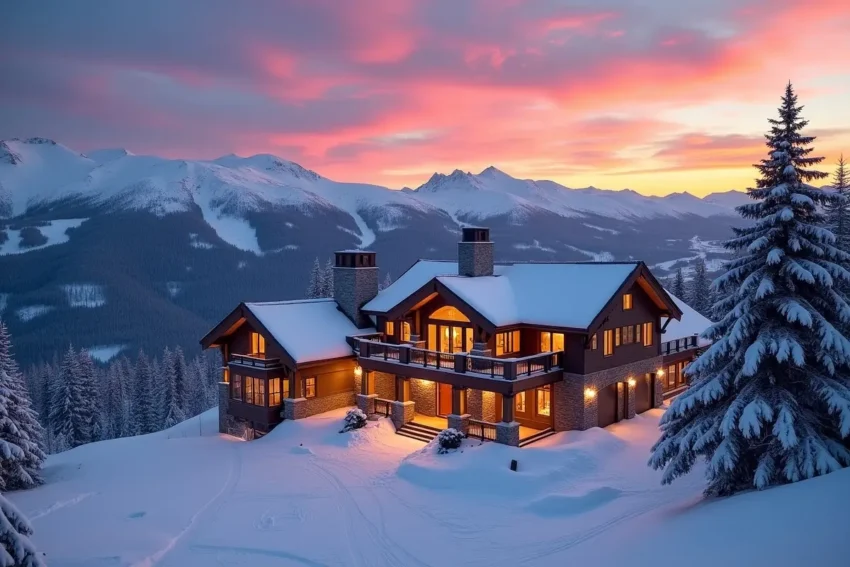
Buying a mountain home in Park City can mean easy access to skiing, trails, dining, and dramatic Wasatch views. It can also mean managing snow, changing road conditions, higher weather exposure, private utilities, and rules that differ from one neighborhood or building to the next. The best purchase is not simply the home that looks exceptional on a sunny showing day. It is the one that works comfortably and affordably year-round.
For buyers evaluating Deer Valley, Old Town, Canyons Village, Promontory, and surrounding areas, Park City UT real estate experts Stein Eriksen Realty Group can provide a useful local perspective. Stein Eriksen Realty Group is a full-service brokerage serving buyers and sellers across Park City, Deer Valley, and nearby luxury mountain communities, with agents who live and work in the area. Local knowledge can be especially valuable when comparing access, neighborhood character, property types, and seasonal considerations.
Decide How You Will Use the Home
Start with the role the property will play. A full-time residence may need a dependable home office, practical grocery access, guest space, and daily storage. A vacation home may benefit from lock-and-leave features, while a retirement home may prioritize single-level living and simple maintenance. Buyers considering rentals should confirm that anticipated income is not essential to making the ownership budget work.
Compare Location Beyond the View
Check real travel times to groceries, medical care, schools, fuel, restaurants, trailheads, and ski areas. A map can make two locations look close even when grades, winter weather, event traffic, or winding roads change the experience. Visit at different times of day, including weekdays and weekends, to understand noise, parking, activity, and convenience.
Review Roads, Driveways, and Winter Access
Ask whether roads are public, private, shared, or maintained through an HOA. Confirm who plows, how costs are allocated, and whether there are seasonal access concerns. At the home, look closely at the driveway pitch, drainage, parking, turnaround space, snow storage areas, and the ability of service or emergency vehicles to reach the property. Summer access can look very different after a heavy snowstorm.
Verify Utilities and Connectivity
Identify every major system before making an offer: municipal water and sewer, private well, septic, propane, electric service, heat source, backup heat, and generator capacity. Request well records, water tests, septic permits, pumping history, service invoices, and recent utility bills when available. Test internet speed and cellular service inside the home, not merely nearby, especially if remote work is part of the plan.
Inspect for Snow, Elevation, and Freeze-Thaw Wear
Mountain conditions can place extra demands on roofs, decks, siding, windows, drainage, foundations, and plumbing. During inspections, ask about ice dams, roof leaks, damaged exterior wood, crawl-space moisture, pipe freezes, grading, runoff, and signs of structural movement. Repair records can help show whether recurring issues have been addressed or only temporarily patched.
Check Wildfire, Drainage, and Slope Conditions
Review the actual parcel rather than relying only on a broad online hazard rating. Consider vegetation near the structure, fire-truck access, retaining walls, drainage routes, erosion, slope stability, and practical evacuation options. The Firewise landscaping basics from Utah State University Extension can help buyers recognize how managed vegetation, access, and defensible space fit into responsible mountain-home ownership.
Get Insurance Quotes Before Making an Offer
Insurance belongs in early due diligence. Request quotes before removing contingencies, and ask about wildfire, wind, hail, smoke, water damage, replacement-cost limits, deductibles, detached structures, and vacancy restrictions. Roof age, construction materials, prior claims, driveway access, and vegetation can influence the availability or cost of coverage.
Test for Radon and Indoor Risks
Radon testing is a sensible step for homes with basements, crawl spaces, or limited ventilation. The EPA’s real estate radon resources explain why buyers and sellers may address radon during a transaction. Also consider inspections for moisture, mold, carbon monoxide, pests, chimney condition, and wood-stove safety where applicable.
Read HOA, Zoning, and Rental Rules Carefully
Do not assume a property can be rented, remodeled, or used exactly as planned. Review HOA covenants, meeting minutes, budgets, reserve information, insurance, and any special assessments. Confirm local and community rules for short-term rentals, parking, pets, exterior changes, hot tubs, firewood, snow storage, and home businesses. Nearby rental activity does not automatically mean a specific home has the same permissions.
Build a Mountain-Specific Inspection Team
Choose a general inspector familiar with mountain construction, then add specialists as needed. Depending on the home, that may include roof, chimney, septic, well, radon, structural, pest, or wildfire-risk professionals. A standard inspection is valuable, but it may not fully evaluate every system in a remote, older, or high-elevation property.
Create a Full Ownership Budget
Look beyond principal, interest, taxes, and HOA dues. Build a realistic annual estimate that includes insurance, snow removal, heating fuel, electricity, internet, well or septic service, roof and deck upkeep, property management, travel, and emergency repairs. Keep a repair reserve instead of committing every available dollar to the down payment or furnishings.
Use Local Knowledge to Compare Communities
Park City neighborhoods can differ substantially in terrain, road access, home styles, proximity to resorts, privacy, and seasonal energy. Compare each home against your intended lifestyle, whether that means ski access, trail access, a quieter setting, walkability, or a lower-maintenance condominium. Local professionals and inspectors can help turn listing details into practical questions worth answering before an offer.
Complete This Pre-Offer Checklist
- Confirm the home’s primary use and must-have features.
- Test travel times, roads, driveway access, parking, and snow removal plans.
- Verify water, sewer, heating, power, internet, and backup systems.
- Review insurance options, hazard conditions, HOA documents, zoning, and rental restrictions.
- Schedule appropriate inspections and budget for routine and unexpected ownership costs.
Common Questions Buyers Ask
Is a mountain home more expensive to maintain?
It can be. Costs often depend on the property’s age, design, elevation, access, heating system, private utilities, roof condition, and exposure to snow and weather. A newer, efficiently designed home with straightforward access may require less hands-on upkeep than an older home on a steep or remote parcel.
Should buyers visit in winter?
Yes, when possible. A winter visit can reveal driveway traction, snow storage, sunlight, roof runoff, parking constraints, heating performance, and the true feel of the route to town.
Can a mountain home be used as a short-term rental?
Possibly, but permission depends on zoning, licensing, HOA rules, occupancy limits, and insurance terms. Confirm requirements in writing before relying on rental income.
Choose a Home That Works in Real Life
Views, finishes, and proximity to recreation matter, but everyday function matters more over time. Careful research into access, utilities, insurance, inspections, regulations, and total ownership costs can help Park City buyers choose a mountain home that remains enjoyable long after closing.