
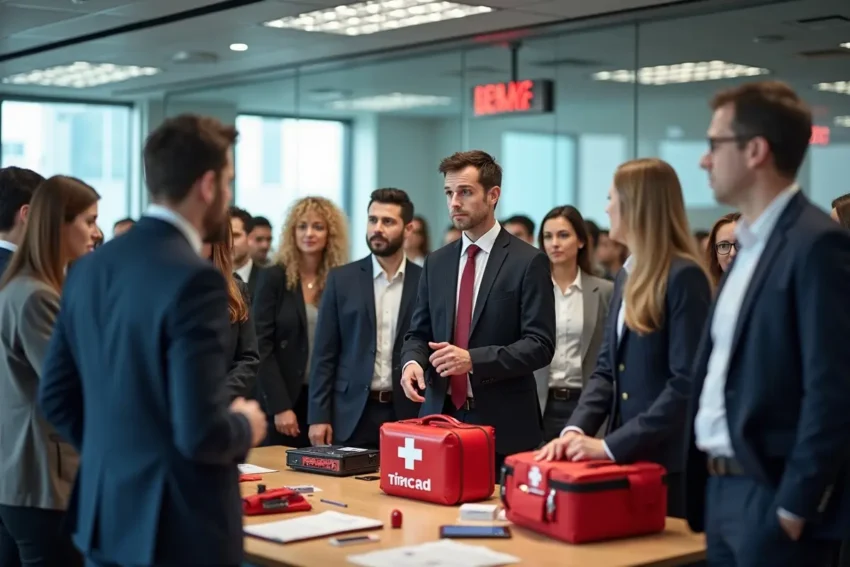
Every workplace should be ready for emergencies. Fires, injuries, and other problems can happen at any time. When workers know what to do, they can act faster and more safely.
Good training helps keep everyone safe. Emergency training is not just a rule to follow. It teaches workers how to respond in hard situations.
Being prepared can help protect people and property. Continue reading to discover everything you need to know.
Make Training Easy to Understand
Training should be simple and easy to follow. Workers learn better when instructions are clear. Simple words can help everyone understand the steps.
Long and complicated lessons can be hard to remember. Short training sessions often work better. Workers are more likely to remember clear information, and this can help during an emergency.
Use Hands-On Practice
People learn best when they practice. Hands-on activities help workers use the skills they are learning. Practice also helps build confidence.
Drills can show workers what to do in an emergency. Doing the same steps more than once helps create good habits. Workers become more comfortable with emergency plans, and this can help them act quickly when needed.
Create Realistic Scenarios
Training should feel as real as possible. Real-life examples help workers prepare for actual emergencies. They can practice handling situations they may face at work.
These activities help workers think fast. They learn how to stay calm and make good choices. They also learn how to solve problems under pressure; these skills can be very useful during a crisis.
Encourage Employee Participation
Training works better when workers take part. Asking questions can help people understand the lessons. Sharing ideas can also improve learning.
A positive learning environment keeps workers interested. People often remember lessons when they are involved.
Support and encouragement can build confidence. Confident workers are often better prepared.
Offer Incentives for Training
Some workers may need extra reasons to join training sessions. Small rewards can encourage people to take part. Incentives can make training more enjoyable.
Offering rewards or recognition can increase interest. Workers may be more willing to finish training when there is a benefit.
Some employees may even get the discount when they join approved training programs. More participation can help improve workplace readiness.
Use Technology to Improve Learning
Technology can make training more fun and useful. Videos, online lessons, and digital tools can help workers learn new skills. These tools are often easy to use.
Online training can fit different learning styles. Workers can review lessons when needed, and this helps them remember important information. It also makes training more flexible.
Review and Update Training Regularly
Emergency plans can change over time. Training should be reviewed often to make sure it stays correct. Businesses should update lessons when needed.
Regular training helps workers stay prepared. Refresher courses remind people of important skills. Practice helps improve memory and confidence, and this can lead to better responses during emergencies.
Preparing for Better Responses
Good emergency training helps businesses handle unexpected events. Simple lessons, hands-on practice, and real-life examples can improve learning. These methods help workers build useful skills.
Businesses that invest in training are often better prepared. Trained workers can respond faster and more effectively. Better training can improve safety and readiness; these simple steps can help create a safer workplace for everyone.
Visit our website for more topics like this!