
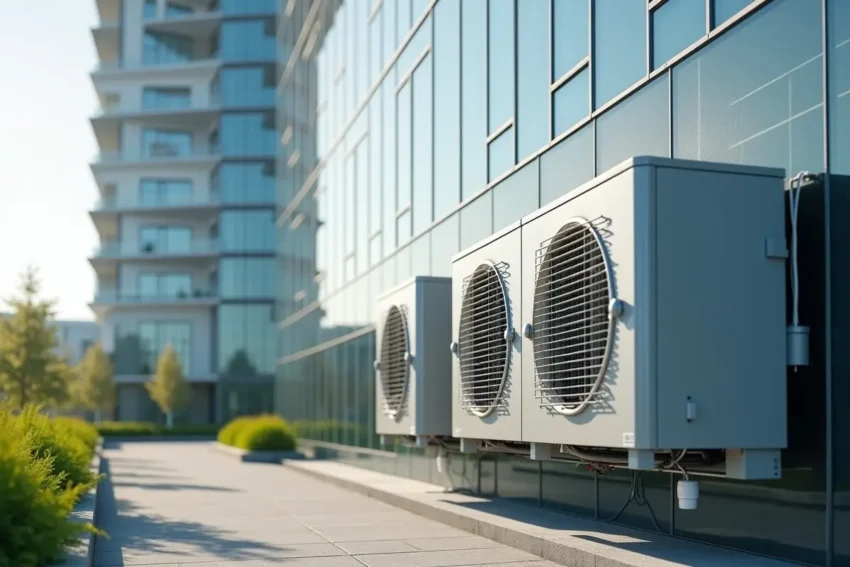
The push for greener, more efficient workplaces has prompted commercial property owners to adopt smarter building technologies. Among the most critical are smart HVAC (Heating, Ventilation, and Air Conditioning) systems, which use artificial intelligence and Internet of Things (IoT) devices to regulate energy use and improve comfort automatically.
The impact of these technologies is especially evident in large office spaces, retail environments, and industrial facilities, where heating and cooling account for a significant portion of operational costs. Integrating smart controls not only reduces utility expenses but is also pivotal for meeting evolving environmental standards. You can learn more about adopting these solutions at Commercial HVAC.
The role of AI in these systems enables predictive maintenance and adaptive learning, reducing downtime and unnecessary energy consumption. IoT sensors further contribute by providing continuous feedback, enabling the system to respond in real time to changes in occupancy, outdoor weather, and indoor air quality. As commercial building owners and facility managers strive for higher efficiency without sacrificing occupant comfort, smart HVAC systems offer a promising pathway forward. As energy prices fluctuate and regulations tighten, the benefits of adopting advanced HVAC technology are becoming clearer.
Not only do smart systems help businesses comply with local energy codes and standards, but they also establish a competitive edge in sustainability. In the broader context, they are foundational to advancing global climate goals. Beyond direct utility savings, smart HVAC solutions foster a healthier and more productive indoor environment. Improved air quality, automated ventilation, and granular climate control support occupant health and comfort, an increasingly recognized priority for organizations wanting to attract and retain talent.
Benefits of Smart HVAC Technologies
- Energy Efficiency: Smart HVAC systems continually analyze performance data and adjust operations for optimal efficiency. For example, companies like AvalonBay Communities have achieved substantial reductions in energy use and carbon emissions through optimized controls and scheduling.
- Cost Savings: Automated control strategies lead to a decrease in unnecessary heating or cooling, which translates directly to lower monthly bills. According to a National Renewable Energy Laboratory study, buildings equipped with sensors and advanced controls can slash annual energy costs by up to 29 percent.
- Air Quality Improvement: Modern systems use advanced sensors to track CO2, humidity, and pollutant levels, making real-time adjustments that sustain a healthy indoor atmosphere.
Challenges in Adoption
- Upfront Costs: Retrofitting or replacing standard building HVAC systems with smart alternatives requires a significant capital investment. Many building owners are hesitant to commit until they see clear payback projections.
- System Complexity: Seamlessly integrating new technology, without disrupting current operations, demands technical savvy and the right professional support.
- Data Security: Since smart systems depend on cloud connectivity and large data flows, robust cybersecurity protocols are necessary to safeguard information and system controls.
Overcoming Barriers
- Financial Incentives: Accessing available rebates, tax credits, and government grants can considerably offset installation costs. Many countries have active programs to foster building energy-efficiency upgrades.
- Staff Training: Facility teams must be familiarized with the new controls and best practices for ongoing operation and maintenance to ensure optimal performance.
- Scalable Implementations: Running pilot projects on selected zones or buildings before a full rollout enables facilities to address technical issues and measure effectiveness with minimal risk.
Real-World Applications
- Amazon and Transaera: Following a half-year trial, Amazon expanded its use of Transaera’s rooftop systems, anticipating 40 percent energy savings compared to traditional units. Results from the pilot build a solid case for large-scale adoption across similar properties.
- Miss Porter’s School: By centralizing HVAC management across its campus, the educational institution realized notable energy and cost reductions while also simplifying ongoing system monitoring and adjustments.
Future Outlook
As technology continues to evolve, commercial buildings stand to benefit from even greater operational efficiencies and lower environmental impact. With AI and IoT capabilities expanding, HVAC systems in the near future will offer even more personalized, predictive, and autonomous climate control options. For property managers and owners, transitioning to smart systems is becoming less of a luxury and more of a necessity, both competitively and from a regulatory perspective.
Embracing smart HVAC is a proven strategy for raising sustainability profiles, cutting operational expenses, and providing inhospitable work environments for employees and visitors alike. Those who take early action are positioned to set new benchmarks in both performance and environmental responsibility within the commercial property sector.
Conclusion
Smart HVAC systems are reshaping the future of commercial building management by combining AI and IoT technologies to deliver greater energy efficiency, cost savings, and improved indoor environmental quality. These advanced systems enable real-time monitoring, predictive maintenance, and adaptive climate control, helping businesses reduce energy waste while maintaining optimal comfort for occupants. Although challenges such as high upfront costs, system complexity, and data security concerns may arise, they can be effectively addressed through financial incentives, proper staff training, and phased implementation strategies.
As real-world applications continue to demonstrate measurable benefits, smart HVAC solutions are becoming increasingly essential for meeting sustainability goals and regulatory standards. By investing in these technologies, commercial property owners can enhance operational performance, reduce environmental impact, and position themselves for long-term success in an increasingly energy-conscious market.