
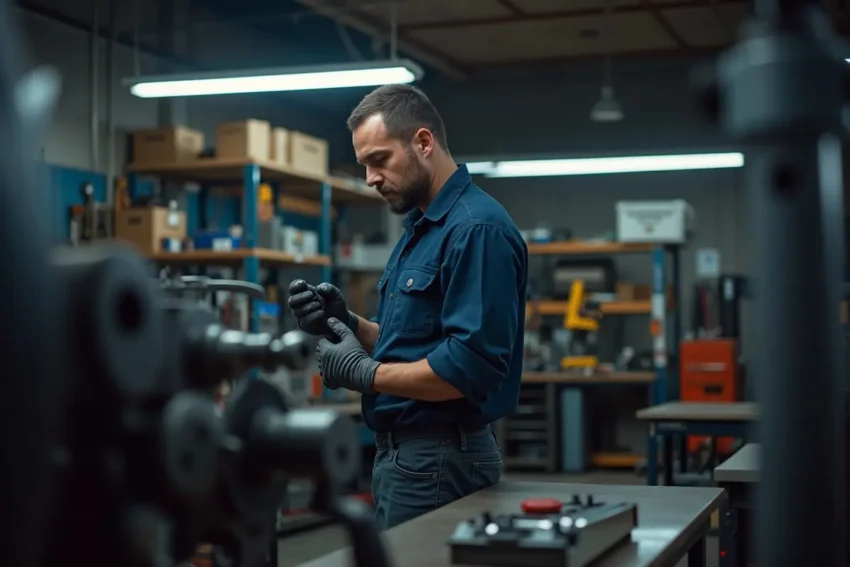
Starting as a mechanic means every tool purchase needs to work hard for the money spent. Good gear helps you complete jobs safely, accurately and efficiently, while poor-quality tools can slow you down, damage parts or need replacing too soon. For start-up mechanics building a first workshop, mobile kit or garage setup, choosing lasting gear is about buying strategically rather than buying everything at once.
Starting With The Jobs You Actually Do
Durable gear begins with knowing the work you are most likely to handle. A start-up mechanic does not need every specialist tool on day one. Servicing, brake work, diagnostics, battery testing, basic electrical checks and small repairs usually call for a dependable core kit before more advanced equipment is added.
Your first purchases should match your common jobs, working space and skill level. For example, if you often deal with vehicle electronics, you may need precision instruments, insulated tools or anti-static equipment. Comparing specifications through a trusted mechanic tools and workshop equipment supplier can help you assess ratings, materials, tolerances and compatibility before committing your budget.
Checking Material And Build Quality
Start-up mechanics often feel pressure to choose the cheapest option, but tools that bend, round off or lose grip quickly can cost more over time. Steel grade, handle construction, surface coating and joint strength all affect how well a tool performs after repeated use.
Build quality is also about how the tool feels in the hand. Ratchets should engage cleanly, cutters should align properly, and screwdrivers should grip fasteners without slipping. For small workshop equipment, check casings, switches, leads, stands and moving parts. Gear that feels loose or poorly balanced at purchase is unlikely to improve once it is used daily.
Prioritising Accuracy And Safety
When you are building a reputation, accuracy matters. A torque wrench that loses calibration, a multimeter with inconsistent readings or a weak lifting aid can create problems that affect both safety and trust. Start-up mechanics should prioritise tools that help them work correctly the first time.
Safety features are equally important, especially when working around batteries, electrical systems, heat, sharp edges and moving parts. Insulated handles, clear rating labels, stable bases, secure locking mechanisms and heat-resistant materials are practical features, not extras. Reliable gear helps protect you, your customers’ vehicles and your growing business.
Considering Serviceability And Parts
Long-lasting tools are often the ones that can be maintained. Start-up mechanics should look for gear that can be cleaned, recalibrated, lubricated, repaired or fitted with replacement parts. Replaceable leads, blades, jaws, batteries, tips and seals can extend the life of equipment and reduce the need for full replacement.
Serviceability matters because early cash flow can be tight. A slightly higher upfront cost may be worthwhile if the tool can be repaired or supported later. Before buying, check whether accessories, consumables and spare parts are easy to source. A tool that becomes unusable because one small part is unavailable is rarely a good investment.
Matching Quality To Daily Use
Not every tool in a start-up kit needs to be premium, but daily-use items should be chosen carefully. Sockets, ratchets, pliers, screwdrivers, testers, scan tools and storage systems will carry much of your workload. These are the items most likely to affect speed, safety and consistency.
For occasional-use tools, a practical mid-range option may be enough, provided it meets the right safety and performance standards. For electronic tools or workshop equipment, checking the IP rating can also help you understand how well the item is protected against dust, moisture and other everyday workshop exposure. The key is to spend more where failure would cause delays, rework or risk.
Looking At Real Workshop Conditions
Even a small workshop can be tough on tools. Dust, grease, heat, vibration, cleaning products and regular handling all shorten the life of poorly made gear. Start-up mechanics should choose equipment that suits real working conditions, not just tidy product photos.
Storage is part of durability, too. Toolboxes, trays, cabinets and cases help prevent damage, loss and contamination. A well-organised kit also saves time during jobs, which is especially valuable when you are trying to build efficiency and professionalism from the beginning.
Building A Kit That Grows With You
Start-up mechanics choose gear that lasts by focusing on practical need, build quality, accuracy, safety, serviceability and daily use. The aim is not to buy the biggest kit immediately, but to build a reliable setup that supports better work over time. Durable tools help you protect your budget, improve your workflow and create the kind of professional standard customers can trust.