
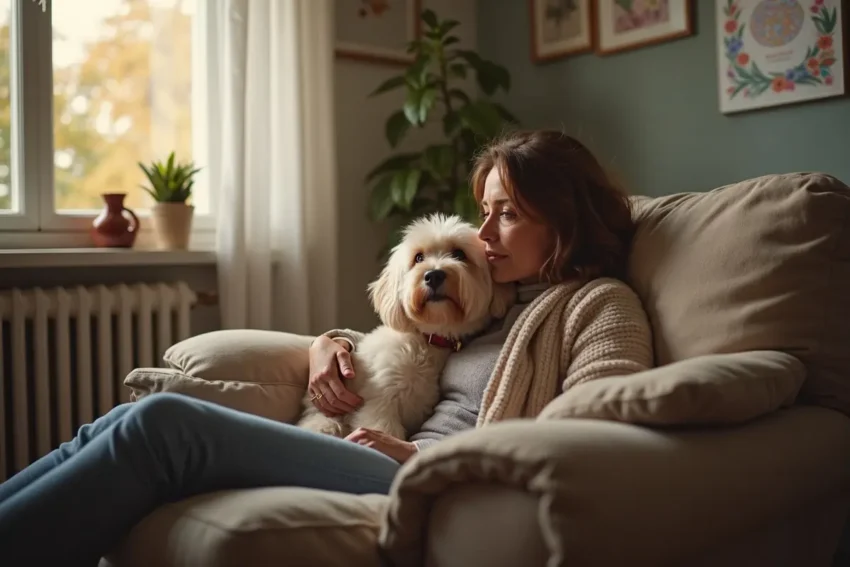
Walking through the door of a sober living home in Orange County often feels like entering a new world. The silence of early recovery can be loud, and the transition from a life of substance use to one of sobriety brings unique challenges. Many residents find themselves battling cravings, intense anxiety, and a feeling of aimlessness during those first few months.
While traditional support groups and counseling are essential, many people are turning to an unexpected source of healing: pets. Introducing a pet into a sober living environment changes the atmosphere of the home. These animals offer more than just companionship; they provide an anchor for residents trying to regain control of their lives.
The Therapeutic Power of Animal Companionship
Reduced Stress and Anxiety Levels
Early sobriety often comes with a spike in stress. The brain is adjusting to a lack of substances, which can lead to high levels of cortisol. Interacting with a pet offers a quick way to lower that stress. Studies show that petting a dog or cat can lower blood pressure and slow your heart rate. This physical reaction happens almost instantly.
When you pet an animal, your brain releases oxytocin. This hormone promotes feelings of calm and contentment. For someone in recovery, this chemical boost can act as a natural way to soothe frayed nerves without needing to reach for other coping mechanisms. Residents who live in pet-friendly homes often report that their anxiety levels stay lower throughout the day because they have a steady, calming presence nearby.
Enhanced Mood and Combating Loneliness
Loneliness is a common trigger for relapse. The feeling of being isolated or misunderstood can make the work of recovery feel heavier. Pets provide unconditional love. They do not judge you for your past or your mistakes. They are happy to see you every time you walk into a room.
Having a pet in a sober living house creates a more upbeat mood for everyone. A dog greeting you at the door or a cat purring on the couch can break the tension in a room. This sense of companionship helps residents feel less alone. Small moments of joy, like a pet playing with a toy, bring laughter into a space that might otherwise feel clinical or stiff. That joy is a powerful tool to fight off the sadness that sometimes clouds early recovery.
Fostering Responsibility and Routine
Developing a Sense of Purpose and Accountability
Recovery requires a major shift in focus. It is no longer about the substance; it is about building a healthy life. Caring for a pet forces you to put another living being’s needs before your own. You have to feed them, groom them, and ensure they are healthy. This daily commitment builds self-esteem. It reminds you that you are capable of being responsible.
Sharing this responsibility in a sober living environment can also create a bond among housemates. If the residents share a dog, they might take turns feeding it or brushing it. This shared duty creates a common goal. It gives the house a sense of family. It also helps residents learn to communicate and work together, which are vital skills for life after the program ends. Establishing a pet care chart on the fridge can make sure everyone stays accountable and the animal gets the care it needs. Pet friendly sober living Orange County offering supportive housing and compassionate care for lasting recovery.
Establishing Healthy Daily Structures
A lack of structure is a major hurdle in recovery. Without a schedule, time can drift, and old habits can creep back in. Pets are creatures of habit. They need to eat, go outside, and rest at specific times. Their needs act as a natural alarm clock and a guide for your day.
When you have a dog, you must get out of bed to let them out. This simple act can stop a resident from staying in bed all day and spiraling into negative thoughts. A morning walk provides fresh air and sun, which are great for mood regulation. Evening feeding times signal that the day is winding down. This routine creates a baseline for the day, which helps ground residents who are struggling to find a new rhythm in their sober lives.
Social Benefits and Community Building
Facilitating Positive Social Interactions
In a shared living space, tension can sometimes rise. Pets act as a social lubricant. They break down barriers that might exist between residents who do not know each other well. An animal is an easy conversation starter. Asking someone about their pet or sharing a story about an animal’s funny behavior is a safe, low-pressure way to start a friendship.
In Orange County, there are countless parks and dog-friendly spots where residents can take their pets. Taking a dog to a local park or beach changes the environment from a clinical or high-stress one to an active, social one. When residents spend time together walking their dogs, they build connections outside the house walls. This shared love for the animal fosters empathy, as everyone in the house has to look out for the pet’s well-being.
Encouraging Physical Activity
Recovery is a physical process as well as a mental one. Exercise releases endorphins, which are the body’s natural mood lifters. It also helps with sleep and reduces cravings. Pets, especially dogs, are the best motivation to get moving.
You cannot ignore a dog that needs a walk. Even on days when you feel sluggish, you will get up and walk because you know the dog needs the exercise. In Orange County, the weather is perfect for daily walks. Residents can visit Newport Beach, Huntington Beach, or local inland trails. Whether it is a brisk walk or a game of fetch, this movement helps the body recover from the damage of substance use. Encouraging group dog walks is a great way to build a healthy, active community in the house.
Considerations for Pet-Friendly Sober Living in Orange County
Policies and Pet Agreements
Bringing a pet into a sober living home requires clear rules. Not every house is set up for pets, and it is important to have a solid plan. A pet agreement is necessary to keep the home running smoothly. This document should outline who is responsible for feeding, cleaning up, and vet visits.
Clear guidelines prevent conflict. For example, if a house decides to allow pets, there should be a rule about barking, grooming, and potential damage to the property. Most facilities will require a pet deposit to cover any cleaning or repair costs. By setting these rules early, the house maintains a positive environment where both the residents and the pets can thrive. House managers who allow pets often find that the residents become more invested in keeping the common areas clean and orderly.
Choosing the Right Pet for a Sober Living Environment
Not every animal fits in a shared living home. When selecting a pet, consider the size of the house, the number of residents, and the noise level. A high-energy, loud puppy might be stressful in a small apartment. A calm, older dog or a low-maintenance cat often fits better in a group setting.
Allergies are another major factor. Before introducing a pet, the house manager should confirm that no residents are allergic to the animal. Many residents choose to adopt from local Orange County shelters. These shelters are often filled with animals that have been trained or socialized. Adopting is a great way to give an animal a second chance, much like the residents are giving themselves a second chance. It creates a powerful connection of mutual rescue.
Conclusion
Incorporating pets into sober living in Orange County offers a unique layer of support. These animals help residents manage stress, build a meaningful routine, and connect with their housemates. They force us to be present and responsible, providing a sense of purpose that is vital during the early stages of recovery. By choosing the right pet and setting clear agreements, sober living homes can transform into spaces of true healing. If you or a loved one are looking for a recovery path that includes the companionship of an animal, look for homes that embrace this holistic approach. The love of a pet might just be the extra boost needed to make sobriety stick for the long haul.