
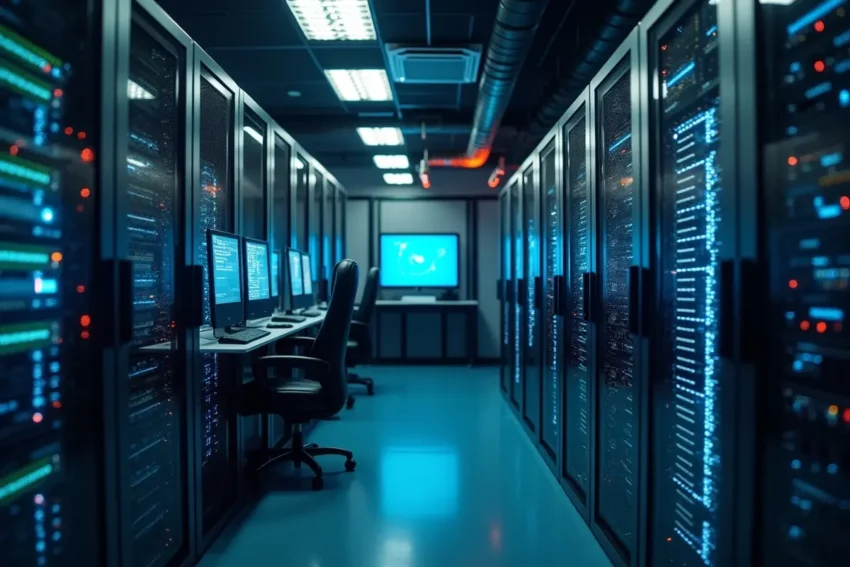
In today’s interconnected world, the seamless integration of hardware, software, and networking underpins our digital experiences. Whether at home, work, or school, nearly every digital interaction depends on the reliable performance and connectivity of these fundamental components. From the smartphones that power our daily productivity to the sprawling server farms that support social media, ICT hardware is pivotal in keeping us connected and efficient.
While these innovations often feel intuitive and easy to use, the underlying structure involves a complex synergy among tangible devices, the software that runs on them, and the networks that facilitate data transmission. Understanding this interplay is essential for troubleshooting, planning for the future, or seeking new technology solutions for your home or business.
As the demand for digital operations continues to grow, the management and maintenance of these elements have also become increasingly important. For businesses in particular, staying ahead means investing not just in devices and applications but also in proactive strategies, such as Managed IT Services, to ensure a resilient, secure environment. This approach also helps organizations maintain consistent system performance while adapting to evolving technological demands.
Understanding the Core Components
The three pillars of digital systems are hardware, software, and networking. Hardware refers to the physical equipment, such as laptops, servers, and routers. Without hardware, there would be no platform for software operations or network functions.
Software encompasses the programs and operating systems that instruct the hardware and provide user interfaces. It is the layer where innovation and functionality truly emerge. Finally, networking is the system behind data transfer, connecting devices locally or over vast distances and ensuring seamless communication for users and businesses alike.
The Evolution of Hardware in the Digital Age
Hardware technology has progressed rapidly over the past few decades. Early mainframes have given way to compact, high-powered computers, tablets, and smartphones. The rise of software-defined hardware now enables systems that adapt to changing needs, offering increased flexibility and customizability.
In industrial and enterprise sectors, this has enabled more agile operations and paved the way for advanced automation. This shift is part of a larger trend toward making physical technology more adaptable through firmware upgrades and modular components.
Software: The Invisible Force Driving Innovation
Software is often described as the invisible engine driving the digital world. From operating systems to customized mobile apps, software controls hardware, enabling everything from basic calculations to advanced data analytics and artificial intelligence.
Advances in artificial intelligence and cloud computing have expanded software’s capabilities, enabling smarter applications that offer more intuitive, personalized experiences. Machine learning now enables software to “learn” from user behavior and dynamically adjust to enhance productivity and efficiency.
Networking: The Lifeline of Digital Communication
Networking technology connects devices, enabling data to travel securely and efficiently. Modern networking includes not only local area networks but also vast internet backbones and fiber optic grids that support enormous amounts of information sharing daily.
The introduction of software-defined networking (SDN) allows businesses and service providers to quickly adapt to demand spikes, cyber threats, or new applications without physical upgrades. This flexibility supports everything from high-definition video calls to global ecommerce.
The Interplay Between Hardware, Software, and Networking
The most powerful digital experiences today result from a tight integration between hardware, software, and networking. Consider modern smart devices, such as wearable health monitors or AI-powered voice assistants. These rely on specialized hardware, advanced software, and persistent network access to offer real-time analytics and personal recommendations.
Industry leaders like Bosch and others are actively investing in people-centric technologies that combine the reliability of physical products with the intelligence of software and the ubiquity of networking to solve real-world problems and improve everyday life.
Challenges and Considerations
Despite the clear benefits, challenges remain for businesses and individuals alike. Ensuring compatibility between new and legacy hardware, keeping both systems and software up to date, and preventing cyber threats are constant concerns. Physical device limitations, connectivity bottlenecks, and growing privacy concerns underscore the need for vigilant, proactive management and ongoing investment in workforce training and technological infrastructure.
Looking Ahead: The Future of Digital Integration
Emerging technologies such as edge computing and the Internet of Things (IoT) promise to further blur the lines between hardware, software, and networks. Devices are getting smarter, and networks are becoming more adaptive, allowing for unprecedented automation and insight.
As organizations look ahead, the key will be to embrace these changes while continuing to prioritize security and performance so that innovation benefits everyone. The next waves of growth will likely be driven by initiatives that combine all three core pillars into seamless, adaptive, and user-focused solutions.
Summary
The integration of hardware, software, and networking is at the heart of digital progress. By understanding and optimizing how these components interact, individuals and organizations can unlock the full potential of technology in an era of constant change.