
The commercial real estate (CRE) landscape in the United States is undergoing significant and rapid changes that shape the outlook for investors, developers, and business stakeholders. Being proactive in adapting to these trends is now essential for success. Those who anticipate shifts and employ effective strategies are best poised to thrive as the market evolves. For more insights and to explore prime opportunities in U.S. CRE, visit https://www.commercialpropertyoffer.com/.
Recent developments, such as the widespread adoption of remote work, the e-commerce boom, the evolving financing environment, and a focus on sustainability, are pushing stakeholders to reconsider traditional strategies. By understanding these transformations, market participants can confidently navigate current challenges and harness new opportunities emerging in 2026.
Additionally, structural shifts in regional markets and rapid technology integration add new layers of complexity to the landscape. Investors and developers must remain adaptive, monitoring local and national trends alike, to outpace the competition and capitalize on CRE assets.
As capital flows become more constrained and the demand for both industrial and housing assets grows, aligned strategies are critical. A collaborative effort from all sectors of the industry is needed to address supply and demand imbalances, manage risk, and deliver value in transforming markets.
For a deeper dive into the needs and perspectives of commercial real estate buyers in this new environment, exploring specialized resources and partnering with service providers can make a tangible difference in outcomes.
Remote Work and Office Space
The normalization of remote and hybrid work continues to affect the commercial office sector. Despite increasing efforts to bring employees back to traditional office settings, vacancy rates have surged. By the first quarter of 2026, nearly 21 percent of all office space across 79 major U.S. markets remained unoccupied, marking an all-time high.
This paradigm shift is prompting landlords and developers to reimagine office space design, with a renewed focus on flexibility, wellness, and fostering collaboration to attract tenants. Axios reports on the record-high office vacancies.
Industrial Real Estate and E-commerce
Demand for industrial and logistics properties remains strong, driven by the durability of e-commerce growth. Online sales continued to account for roughly 16.4 percent of total U.S. retail through late 2026, holding steady since the pandemic’s acceleration of online shopping. This trend has intensified the competition for warehouse space, especially near major urban markets.
Notably, foreign logistics companies—particularly those based in Asia—have ramped up their presence by securing American distribution hubs, aiming to accelerate delivery times and expand local reach.
Multifamily Housing Demand
The supply-demand imbalance in U.S. multifamily housing is becoming more pronounced as financing for new developments tightens. Investors face reduced capital availability, which curbs the pipeline for new apartments and rental units. With fewer new buildings in progress and ongoing population growth in many regions, existing properties are likely to see high occupancy and continued rental increases. This dynamic is favorable for current owners but emphasizes the importance of prudent investment planning for future development.
Interest Rates and Financing
Rising interest rates are a defining challenge for commercial real estate in 2026. Traditional banks are taking a more conservative approach to lending, resulting in less credit available for CRE transactions. More investors are turning to non-traditional financing solutions, such as private equity funds and debt funds, to bridge deals and capitalize on new opportunities. Effective financial planning and risk mitigation are now more vital than ever to ensure the success of new acquisitions and construction projects.
Sustainability and Green Building
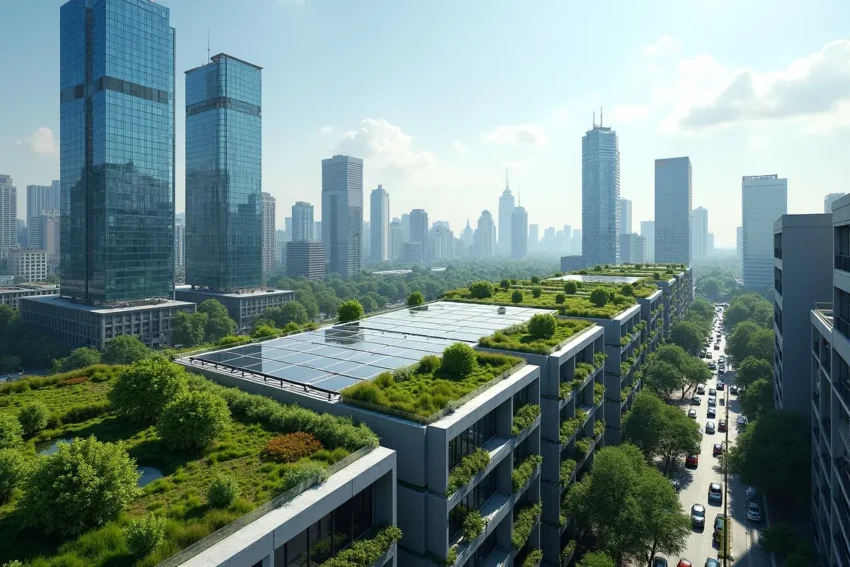
Sustainability is no longer optional. Environmental, social, and governance (ESG) considerations are rapidly rising to the top of occupant and investor priorities. Properties that adhere to green building standards are more competitive, drawing tenants who value efficiency and low carbon footprints. Integrating energy-saving technologies and achieving certifications such as LEED can enhance NOI (Net Operating Income) and property values, reflecting a holistic approach that appeals to increasingly environmentally conscious buyers and tenants.
Regional Market Shifts
The geographic landscape of CRE activity is shifting as economic growth disperses from coastal cities to new growth centers in the Rust Belt and Midwest. Secondary and tertiary cities like Buffalo, Cincinnati, and Cleveland attract attention due to their affordable living costs, stable real estate fundamentals, and expanding labor pools. As companies and residents seek communities with competitive advantages, these markets are witnessing an influx of capital and fresh development activity, which diversifies the national CRE picture.
Technology Integration
Technology is playing a central role in transforming operations across the commercial real estate spectrum. Smart building platforms streamline energy usage and reduce overhead, while real-time data analytics are empowering investors and owners with improved insights and faster decision-making. The integration of cloud-based property management and tenant engagement platforms is also enhancing the occupier experience, setting new standards for convenience, service, and building performance in 2026 and beyond.
Conclusion
The U.S. commercial real estate market in 2026 is experiencing pronounced change, shaped by trends in remote work, e-commerce, tightening financial conditions, sustainability, geographic shifts, and cutting-edge technology. Navigating this landscape requires adaptability, strategic partnerships, and a well-informed approach. Industry participants who recognize these shifts and respond proactively will find themselves best positioned for growth as CRE continues to evolve.