
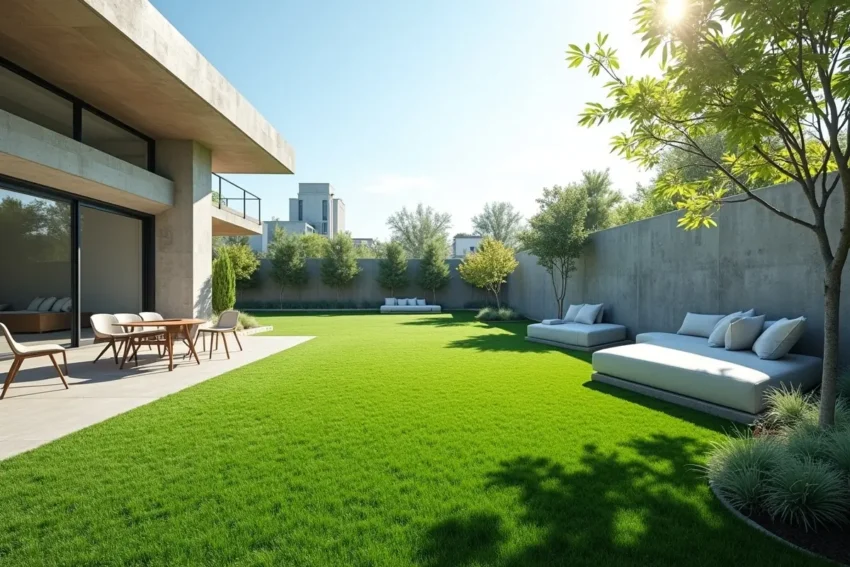
Today’s homeowners and urban developers are reimagining outdoor areas, looking for solutions that deliver both beauty and functionality year-round. Among the modern options available, synthetic turf stands out as a versatile and practical alternative to traditional grass. Its rapid adoption is driven by the desire to create vibrant, usable spaces that minimize environmental impact and ongoing upkeep.
From home lawns to community parks, synthetic turf brings a host of advantages that appeal to everyone seeking effective, long-lasting landscaping solutions. Whether you are planning to update a backyard, a commercial plaza, or a sports field, understanding the benefits of turf installation Fort Worth can help you make a confident and sustainable choice.
Unlike natural grass, which often struggles to stay green in tough climates, synthetic turf provides year-round visual appeal with minimal maintenance. This innovation supports the growing trend of outdoor living, making it easier than ever to enjoy picturesque spaces that stay lush without constant care.
As urbanization increases and water resources become more precious, synthetic turf’s advantages are helping reshape the future of landscaping. Homeowners and planners alike are discovering how artificial grass can support their goals of creating modern, resilient spaces while reducing usage of water and chemicals.
Low Maintenance and Cost Efficiency
One of the most compelling benefits of synthetic turf is the remarkable reduction in maintenance it offers compared to natural grass. Traditional lawns require consistent mowing, fertilizing, and weed control, demanding significant time and money every season.
Artificial grass remains green and manicured without these intensive care routines, freeing up weekends and reducing the overall burden of property upkeep. With its stable appearance, synthetic turf ensures homeowners save not just on labor, but also on recurring costs like fertilizers, pesticides, and fuel for lawn equipment.
Many property owners find that the initial investment in synthetic turf pays off over time through reduced energy and resource usage. Operating costs for upkeep decrease dramatically, and because artificial grass does not need watering or frequent repairs from patchy spots, the long-term savings often exceed expectations.
Over a few years, these benefits can result in thousands of dollars saved, making synthetic turf a smart financial choice for families and organizations alike. For additional insights into cost savings and landscaping practices, the New York Times explores the impact of artificial turf in regions experiencing drought and high maintenance costs.
Water Conservation and Environmental Impact
With water scarcity growing in many parts of the world, synthetic turf offers a practical way to conserve this vital resource. Natural lawns are notorious water consumers, with some estimates showing that the average American household uses up to one-third of its water for lawn irrigation.
In contrast, artificial grass does not require any watering, except for the occasional rinse to remove dust or debris. This substantial decrease in water use directly benefits the environment by lessening demand on municipal and natural water supplies, supporting broader conservation efforts.
Beyond personal savings, the widespread adoption of artificial turf in communities can cut water consumption on a massive scale, especially in drought-prone areas. The Environmental Protection Agency supports outdoor water-saving strategies, acknowledging the role of synthetic turf in easing pressure on finite water reserves. This commitment to sustainability makes synthetic turf a responsible choice for the eco-conscious homeowner or public planner.
Durability and Longevity
Synthetic turf is engineered for resilience, providing a reliable solution where natural grass might falter or require costly repairs. Its construction is designed to endure high foot traffic, vigorous play, and exposure to the elements without becoming ragged or uneven. Whether hosting community gatherings or serving as a children’s play area, synthetic turf holds its shape and maintains a lush look regardless of use.
This longevity is backed by advances in turf manufacturing, where high-quality fibers and infill materials resist UV rays, extreme temperatures, and heavy rain. The result is an attractive, functional surface that can remain in top condition for 15 years or more, making it ideal for both private yards and high-use community spaces.
Aesthetic Appeal and Versatility
Modern artificial turf closely mimics the vibrant appearance and soft feel of natural grass, now available in multiple shades and textures to complement any landscape vision. This realism allows designers and homeowners to create beautiful, seamless transitions from patios to lawns or transform unused rooftops and courtyards into inviting green oases. Its adaptability makes synthetic turf suitable for diverse environments, including shaded areas, pool decks, playgrounds, and decorative installations where real grass would struggle to thrive.
For properties seeking to elevate curb appeal or maximize usable outdoor space, artificial turf offers an easy way to achieve consistent beauty. It seamlessly blends into landscape features, garden beds, or sports areas, requiring virtually no ongoing attention and always looking well-manicured. As a result, it is an increasingly popular solution for modernizing both private and public environments.
Eco-Friendly Benefits
Synthetic turf delivers substantial ecological advantages by eliminating the need for regular chemical treatments, fertilizers, and excessive watering. Traditional lawn care often introduces pesticides and herbicides into local ecosystems, contaminating groundwater and impacting biodiversity. Artificial turf, on the other hand, supports healthier soil and water systems by reducing these pollutants. Moreover, the demand for gas-powered mowers and trimmers decreases, resulting in fewer emissions and improved air quality throughout neighborhoods.
With the removal of these lawn care chemicals and equipment, communities can further their commitment to greener, more sustainable living. The Environmental Working Group has highlighted the risks of persistent lawn chemicals. Adopting synthetic turf is one meaningful step toward safer, healthier landscapes.
Safety and Accessibility
Artificial grass offers a consistently even surface, lowering the risk of falls, twisted ankles, and other injuries often associated with uneven natural lawns. This makes synthetic turf a natural fit for spaces that must be accessible to everyone, including children, seniors, and those with mobility challenges. The shock-absorbing qualities of quality synthetic turf systems can help cushion impacts during play or accidental trips, adding a layer of protection for community playgrounds or sports facilities.
Synthetic turf is also non-slip, making it a safe solution for high-traffic areas, public pathways, or recreational zones where water or mud could otherwise create hazards. Its inherent stability helps landscape designers meet ADA compliance standards, promoting inclusivity across community spaces.
Conclusion
Adopting synthetic turf in modern outdoor spaces presents a forward-thinking approach to landscaping that balances beauty, practicality, and environmental stewardship. With advantages such as extreme durability, minimal maintenance, and enhanced safety, synthetic turf provides a valuable alternative to natural grass for both private homes and public venues. By leveraging this innovative material, homeowners and planners can create inviting, resilient environments that are cost-effective and eco-friendly, adaptable to a wide range of design visions and outdoor needs.