
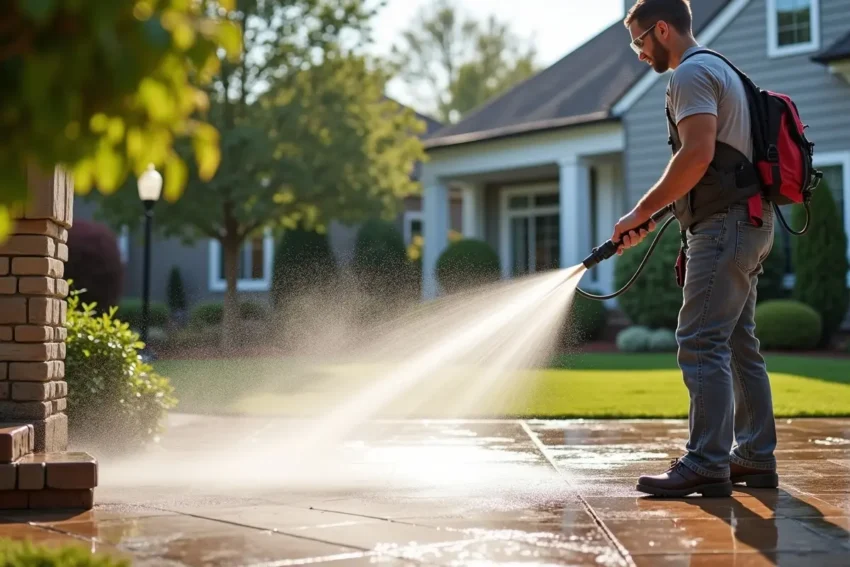
Maintaining a clean driveway and patio goes beyond simple aesthetics—it preserves the longevity of your outdoor surfaces and enhances the overall appeal of your home. Over time, driveways and patios are subjected to dirt, grime, oil stains, moss, and mildew, which can not only make your property look neglected but also cause long-term damage. Regular cleaning, combined with the proper techniques and equipment, ensures these areas remain safe, inviting, and visually appealing throughout the year.
For homeowners seeking an efficient and thorough solution, professional services like A Buff and Beyond Pressure Washing can make a significant difference. Pressure washing removes stubborn stains, accumulated debris, and organic growth that traditional cleaning methods often miss, restoring your surfaces to their original condition.
This ultimate guide will walk you through the best practices, essential tools, and step-by-step strategies to keep your driveway and patio spotless. Whether you prefer DIY methods or professional assistance, following these tips will help maintain the beauty, functionality, and value of your outdoor spaces with minimal effort.
Regular Sweeping and Debris Removal
Removing leaves, twigs, dirt, and other debris from your driveway and patio should become a routine—ideally once a week. Consistent sweeping prevents the accumulation of debris that can lead to organic stains, moss buildup, and even surface damage. Letting debris pile up allows rainwater to push dirt into cracks, promoting weed growth and making cleaning more difficult in the future. Using a wide outdoor broom makes this task quick and efficient, especially after storms or high winds.
Choosing the Right Cleaning Solutions
Selecting the proper cleaning agents for your outdoor materials is vital. For general use, a solution of eco-friendly soap and warm water is gentle yet effective for most driveways and patios, posing minimal risk to nearby grass or flowers. Avoid products containing acids or solvents unless they are explicitly labeled for your surface, as harsh chemicals can deteriorate finishes and harm beneficial soil bacteria.
Effective Scrubbing Techniques
Manually scrubbing surfaces after applying the cleaning solution is crucial in areas with stains or high traffic. Use a stiff-bristled brush—plastic is preferable to metal for delicate surfaces—to agitate and lift grime from cracks and pores gently. Pay attention to the corners and edges, where debris can gather unnoticed. After scrubbing, rinse thoroughly with clean water to stop soapy residue from attracting more dirt or leaving streaks behind.
Pressure Washing with Caution
Pressure washing is a powerful tool that can quickly restore large areas of property. However, improper use may result in surface etching, chipping, or unintended damage to grout and mortar. Use your washer’s lowest practical setting and test an inconspicuous location before cleaning the rest. Hold the wand at a consistent angle and maintain a safe distance of 12–18 inches from the surface.
Addressing Stains Promptly
Quick action is key to preventing unsightly and stubborn stains. For everyday oil or grease spills, immediately blot up the excess liquid, then apply an absorbent agent, such as baking soda or cat litter, for 15–20 minutes. Afterward, use a degreasing cleaner and a scrub brush, rinsing well. For landscape stains, use diluted hydrogen peroxide or a commercial rust remover on affected areas and rinse thoroughly. Ignoring spills gives them time to penetrate, resulting in permanent discoloration or slippery hazards.
Sealing for Long-Term Protection
Driveways and patios weather sun, rain, foot traffic, and automotive fluids. Applying a suitable sealant locks out moisture and prevents stains, extending the life and luster of your investment. Select the appropriate sealant for your material, whether it is concrete, asphalt, or interlocking pavers. Most surfaces require resealing every 1–2 years, or as recommended by the manufacturer, to maintain optimal protection. Sealed surfaces are easier to clean, resist fading, and maintain their appearance for longer periods.
Seasonal Maintenance Tips
Keeping your outdoor spaces pristine means adjusting your approach by season. In spring and autumn, deep clean and inspect for cracks, loose pavers, or other signs of wear. In the summer, avoid leaving heavy vehicles or equipment parked on soft surfaces for long periods, as heat can soften the asphalt. Winter requires prompt removal of snow and ice; use plastic shovels and avoid salts that may damage your driveway. Inspect after freeze-thaw cycles for any cracks that may need prompt repair, ensuring they don’t worsen over time.
Avoiding Common Cleaning Mistakes
- Overusing Pressure Washers: Excessive pressure or frequent washing can erode surfaces, compromising their durability and leaving visible marks.
- Ignoring Stains: Delays in cleaning spills can lead to permanent marks and may encourage the growth of mold, mildew, or slippery surfaces.
- Skipping Sealant: Failing to seal regularly leaves your driveway and patio vulnerable to weather, stains, and weed growth between cracks.
Implementing these best practices ensures your home’s exterior remains a place of beauty and function, ready for gatherings, play, and relaxation throughout every season.
Final Thoughts
Maintaining a clean driveway and patio requires regular maintenance, effective cleaning methods, and preventive measures such as sealing and seasonal care. By quickly treating stains, selecting safe cleaning products, and using the right tools—manual or professional—homeowners can maintain the look and durability of their outdoor areas. Regular care and thoughtful upkeep improve curb appeal and safeguard your investment, ensuring your driveway and patio stay inviting, safe, and durable.