
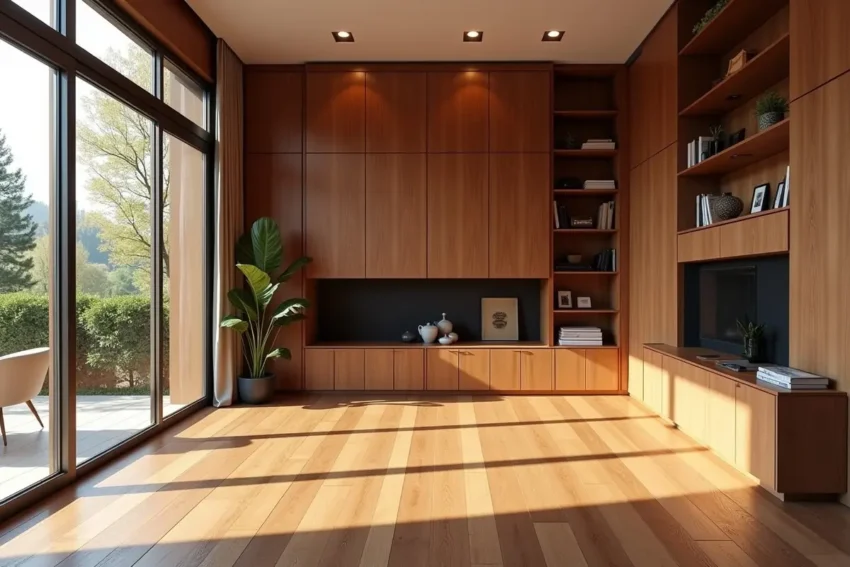
Renovating a home involves numerous choices, from the layout to the finishes. Among these decisions, material selection has a significant influence on the final result. Opting for solid wood in renovation projects is a time-tested choice due to its blend of strength, beauty, and sustainability. When planning your next home improvement, trust our Amish remodeling contractors to deliver exceptional craftsmanship with solid wood that enhances your space for years to come.
Solid wood offers a unique combination of aesthetic and practical advantages, resulting in spaces that are not only visually appealing but also healthy and long-lasting. Beyond its remarkable resilience, wood promotes qualities of energy efficiency and environmental responsibility increasingly sought by homeowners today. Whether you are updating a single room or undertaking a full-scale remodel, solid wood can dramatically elevate the value and performance of your home.
From structural integrity to design flexibility, there are several important considerations when evaluating wood as a primary building material. The adaptability of solid wood renders it compatible with diverse design goals, making it popular in both classic and contemporary settings. Additionally, its ability to be refinished or restored ensures that your investment maintains its beauty and functionality far longer than most alternatives.
As environmental awareness grows, many renovators are seeking sustainable, renewable materials. Solid wood supports this shift by offering a responsible option that aligns with eco-friendly best practices. Thanks to managed forestry and technological advancements, choosing wood helps reduce the carbon footprint of your renovation while ensuring a lasting impact.
Durability and Longevity
Solid wood is a preferred construction material thanks to its inherent toughness and adaptability. When sourced from top-quality species such as oak, cherry, or maple, wood easily withstands daily wear and tear, making it ideal for floors, cabinetry, and high-traffic areas.
Some historic homes feature hundred-year-old woodwork that remains both beautiful and structurally sound, demonstrating wood’s unequaled staying power. Regular care, such as refinishing or sealing, can further extend the life of wooden elements by protecting them from moisture, stains, and minor impacts. This unmatched longevity not only preserves your home’s character but also delivers long-term value.
Natural Insulation Properties
In addition to its robust structure, solid wood is an effective natural insulator. The unique cellular makeup of wood contains air-filled cells that help minimize heat transfer. As a result, rooms constructed or accented with solid wood maintain stable indoor temperatures and reduce energy consumption for heating and cooling. This natural insulation can significantly lower utility bills while making spaces more comfortable year-round. Wood-framed structures are increasingly recognized for their energy efficiency, which aligns with modern green building standards.
Versatility in Design
For homeowners eager to personalize their living spaces, solid wood presents virtually limitless design options. It can be shaped, stained, carved, or painted to suit traditional, transitional, or modern aesthetics. Wood delivers warmth with its texture and color variations, adding depth and visual appeal unmatched by artificial materials. Features like exposed ceiling beams, wooden accent walls, or handcrafted cabinetry can serve as striking focal points while still blending seamlessly into a room. This adaptability supports creative renovations without sacrificing durability or practicality.
Environmental Sustainability
The environmental impact of building materials is a growing concern among many property owners. Solid wood excels in this area due to its renewable nature and its role in storing carbon. Responsible forestry practices mean trees used for lumber are continuously replaced, maintaining healthy forest ecosystems and promoting biodiversity.
Constructing with wood rather than conventional materials like steel or concrete can substantially reduce greenhouse gas emissions linked to a project. This makes wood an outstanding option for homeowners who value sustainable living and want to reduce their environmental footprint.
Health Benefits
Solid wood interiors can improve the well-being of those who live or work within them. Unlike carpets or synthetic surfaces, wood does not harbor dust mites or airborne allergens. Improved indoor air quality makes wood an excellent choice for allergy sufferers or families concerned about cleanliness. In addition, studies have shown that natural materials, such as wood, contribute to lower stress and higher comfort levels in residential environments. The biophilic design movement, which emphasizes human connection to nature, often highlights wood as a beneficial material for healthy homes.
Cost-Effectiveness
Solid wood may often require a higher upfront investment compared to some building materials, yet the long-term savings are significant. Its durability means less frequent replacements or repairs, while its low maintenance requirements minimize recurring costs. Wood elements substantially boost a home’s resale value and overall market appeal, thanks to their lasting beauty and craftsmanship. Over the life of your renovation, these benefits easily offset the initial cost, making wood one of the most cost-effective construction options available.
Maintenance and Care
Maintaining solid wood surfaces is generally straightforward. Regular dusting and cleaning with non-abrasive products preserve the appearance and finish of wood features. Periodic applications of oil or sealant can protect wood from moisture and daily wear. Scratches and minor dings are usually easy to repair with sanding or refinishing, restoring surfaces to like-new condition without major expense. Properly maintained, solid wood continues to enhance your home’s aesthetics and performance for decades.
Conclusion
Solid wood construction delivers a range of benefits for home renovations, balancing functionality with timeless elegance. Its strength, energy efficiency, design flexibility, and sustainability requirements set it apart from other materials. By selecting solid wood, you not only ensure a beautiful home but also make a responsible, long-term investment in your property and the environment.