
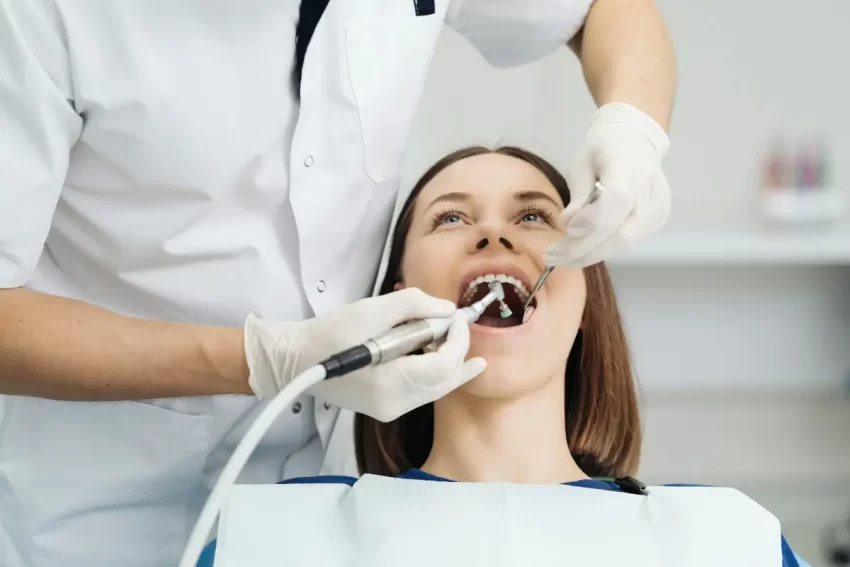
Dental anxiety is something millions of people face, and it can be deeply personal. This unease may develop from various experiences, from a difficult childhood appointment to more complex fears of needles, pain, or even the unfamiliar sounds and smells in a dental office. Sometimes, the anxiety is rooted in stories passed down by friends or family, fueling a cycle of avoidance. An estimated 36% of people worldwide experience dental fear, with around 12% suffering from extreme dental phobia that impacts their ability to seek care.
Anxiety isn’t always about pain—embarrassment about oral health, a feeling of helplessness while lying in a dental chair, or even previous negative interactions with a provider can contribute. These feelings can linger, prompting people to wait years between checkups or avoid treatment entirely. When considering restorative options for your smile, such as dental implants Hackensack, NJ, identifying your triggers can help you assemble the right team and approach for a more comfortable experience.
Becoming aware of these causes is an empowering first step toward change. By recognizing what provokes your anxiety, you can begin to explore coping strategies tailored to your needs—whether that means sedation dentistry, open communication with your provider, or gradual exposure techniques. Modern dental practices also have calming amenities and trauma-informed care to ease patient stress. With proper support, even the most anxious patients can regain their oral health and build trust in the process again.
Recognizing The Signs Of Dental Stress
Dental anxiety can reveal itself both mentally and physically, sometimes in ways you might not initially connect to your feelings about oral care. Some people grow tense or sweat as their appointment approaches, while others deal with racing heartbeats, digestive issues, or restless sleep before visiting the clinic. Emotional signs are just as vital: the urge to cancel appointments, avoid calling the dentist entirely, or feel an overwhelming sense of dread are strong indicators of underlying dental anxiety.
Recognizing these signs can make a world of difference. Rather than letting anxiety prevent you from accessing crucial dental care, noticing the patterns early allows you to look for solutions and reach out for help. Studies show that people who become aware of these emotions and address them through personal effort or professional support maintain better oral hygiene routines, suffer from fewer dental emergencies, and nurture healthier long-term relationships with dental professionals.
Communicating With Your Dental Team
One of the most impactful strategies for reducing dental fear is simple yet powerful: talking openly with your dental team. Many people are surprised by how understanding and adaptive dental professionals have become, knowing just how common anxiety is among patients. Conversations can happen before, during, and even after your appointment. Many clinics encourage anxious individuals to discuss their worries over the phone beforehand or fill out forms highlighting their preferences and concerns.
During the appointment, expressing your need for breaks or asking the dentist to explain what to expect step-by-step can help restore your sense of agency. With collaborative communication, care can be paced to your comfort level, and options like numbing gels or noise-canceling headphones may be suggested to suit your personal needs. When providers and patients work as partners, treatment becomes safer and less stressful—a win for everyone involved.
Proven Strategies To Reduce Anxiety
- Visualization: Stepping into the dentist’s office doesn’t have to be overwhelming. Many find it helpful to use guided imagery—imagining a favorite vacation spot or tranquil garden to calm their minds during procedures. Combining visualization with deep, slow breathing reduces the effects of the body’s fight-or-flight response, lowering blood pressure and easing muscle tension.
- Distraction: Bringing personal comfort items like headphones with playlists or intriguing podcasts can powerfully shift your focus. Some dental offices offer televisions mounted on the ceiling or encourage patients to bring stress balls or fidget items. Keeping your mind engaged in a story or music distracts from the sensations of treatment, making time pass faster and the experience more pleasant.
- Gradual Exposure: Psychologists and dental professionals often recommend gradual exposure for severe anxiety. This tactic involves starting with a simple, noninvasive procedure, like a dental exam or teeth whitening, slowly progressing to more comprehensive treatments as confidence builds. Over time, as positive associations accumulate, visits feel routine rather than daunting.
Research confirms that integrating these coping strategies dramatically enhances comfort and encourages consistent, proactive dental care. Many patients who’ve struggled for years find their dental anxiety begins to fade as these techniques become second nature.
Sedation Options: What To Know
When traditional calming techniques aren’t enough, sedation dentistry offers additional relief. Sedation options range from light laughing gas that wears off before you even leave the office to oral sedatives that produce a sense of relaxation and drowsiness. For extensive treatments or those who need substantial anxiety control, IV sedation under medical supervision is also available. The level of sedation needed depends on your medical background, the procedures planned, and your comfort preferences.
Always inform your dental provider about any medications you take or medical conditions to ensure a safe treatment plan. Sedation dentistry has helped millions rediscover dental care without stress.
Creating A Positive Routine Before And After Visits
Changing the narrative around dental care is possible, even for those with deep-seated fears. Establishing positive associations by setting up appointments at convenient times, celebrating with a small reward afterward, or asking a close friend to wait in the reception area can transform your experience. Behavioral researchers note that repeating these positive rituals can replace anxieties with greater confidence and anticipation over time.
Proactive oral hygiene—like daily brushing, flossing, and limiting sugar intake—goes hand in hand with fewer dental surprises. When you know your efforts are reducing the need for invasive treatments, visits feel much more manageable. Over the months and years, each successful appointment builds a track record of reassurance, making dental care a regular part of your wellness routine.
Encouraging Kids And Loved Ones
Dental stress doesn’t only affect adults—children and other family members can also feel nervous. Encouraging them to ask questions, visit the dentist together, and see positive adult role models can have a lasting impact. Share educational resources and explain procedures in age-appropriate, honest ways, being careful not to pass on your anxieties. Avoid describing the dentist as a punishment or threat; frame it as a friendly visit to keep everyone’s smiles healthy.
Peer-reviewed sources, such as this Medical News Today article on dental anxiety, recommend positive reinforcement, clear explanation, and regular family checkups to build comfort. By taking these steps, you promote immediate relief and long-term well-being and confidence in your life.
Looking Ahead: Dental Visits Can Be Stress-Free
No matter the source of dental anxiety, meaningful improvement is within reach. Each supportive conversation practiced relaxation techniques, and a positive experience built the foundation for stress-free dental visits. Those exploring treatments like dental implants often notice that thorough preparation and compassionate dental teams make a difference. Informed patients benefit from open communication, reputable resources, and an individualized approach to care—all of which add up to better health and confidence over a lifetime.