
Urban cycling is a sustainable and enjoyable way to commute, exercise, and explore, but the bustling city environment introduces unpredictable hazards and risks that every bicyclist needs to respect. Adopting practical safety measures not only protects you from injury but also enhances your confidence on the road.
Whether you’re a daily commuter or a weekend explorer, arming yourself with knowledge and the right gear will go a long way in promoting a safe journey for everyone. For those who have experienced a cycling accident and need legal guidance, Lawbike Motorcycle Injury Lawyers can help clarify your rights and options.
Being mindful of safety is a shared responsibility, but cyclists need to remain particularly vigilant. Taking simple precautions can drastically reduce your exposure to common urban hazards, such as inattentive drivers, poorly maintained roadways, and heavy vehicle traffic. Developing good habits now will benefit you and others on the road for years to come.
Wear a Properly Fitted Helmet
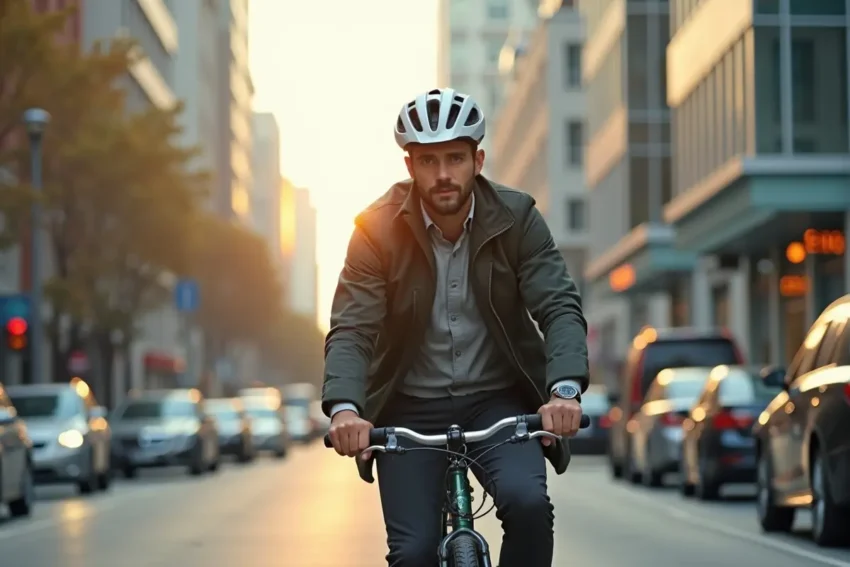
Your helmet is a non-negotiable piece of safety equipment for every bicyclist, as it can drastically reduce the risk of serious head injuries. Select a helmet that fits snugly, sitting level about two finger-widths above your eyebrows. Straps should form a “V” under your ears and buckle tightly below your chin. Even minor crashes can compromise a helmet’s effectiveness, so replace it after any significant impact or when the manufacturer’s recommended lifespan is reached.
Enhance Your Visibility
Visibility is crucial in urban settings where distractions abound and vehicles may not anticipate cyclists. Bright, fluorescent, or reflective clothing increases your conspicuity, making it easier for drivers to see you. Equip your bike with a steady white light in front and a flashing red light in the rear especially from dusk to dawn or in inclement weather. Additionally, place reflective tape or stickers on your bike frame, pedals, and helmet for extra prominence during both day and night riding.
Why Visibility Matters in City Traffic
Urban roads are often filled with blind spots, parked cars, and unpredictable turns. Making yourself as conspicuous as possible minimizes the risk for a bicyclist of being overlooked, especially at intersections and during lane changes.
Obey Traffic Laws and Use Hand Signals
Urban cycling demands that every bicyclist has a complete understanding and adherence to all traffic regulations. Ride with the flow of traffic, stop at all red lights and stop signs, and yield where appropriate. Clearly signal your turns, stops, and lane changes with distinct hand signals.
This allows motorists, other cyclists, and pedestrians to anticipate your actions and avoid dangerous misunderstandings. According to the National Highway Traffic Safety Administration, predictable movements are key to safety on shared roads.
Stay Alert and Avoid Distractions
Urban roads can change in a moment. Focus on traffic signals, vehicle movement, and potential hazards such as potholes or sudden door openings from parked cars. Avoid wearing headphones or using mobile devices, as these distractions diminish your capacity as a bicyclist to hear horns, sirens, or approaching traffic. Defensive cycling, anticipating what might happen next, is essential for staying safe in a busy environment.