
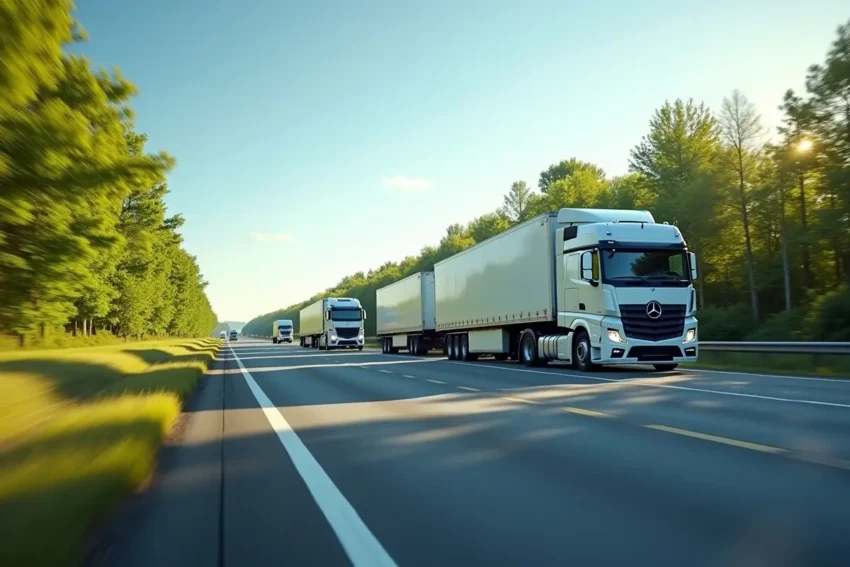
Highways safety is imperative for every driver, passenger, and pedestrian sharing our roads. The steady rise in freight transportation means more large trucks are on highways nationwide, introducing new challenges and risks. As we aim to reduce truck accident rates and improve outcomes for all involved, a collaborative commitment to innovative solutions and diligent safety practices is essential. Increasing public awareness and informed action, supported by legal resources like this website, are central to advancing a safer road environment for everyone.
Truck accidents can have devastating impacts, not only for those directly involved but also for their families and communities. By evaluating current practices, investing in groundbreaking technology, and fostering a culture of safety across stakeholders, we can prevent tragedies on our highways and ensure better outcomes in the event of an accident. Highway safety is a collective responsibility, and progress relies on shared engagement from drivers, policymakers, industry leaders, and the public.
Understanding the Impact of Truck Accidents
Truck accidents present significant hazards due to the size and weight disparities between commercial vehicles and passenger cars. According to the National Highway Traffic Safety Administration (NHTSA), in 2020, large trucks were involved in 4,965 fatal crashes, representing nearly 9% of all fatal vehicle incidents. These accidents lead to serious injuries, significant traffic delays, and substantial financial losses, impacting not only individuals but also emergency services, insurance costs, and the overall transportation network.
The growing public and legislative concern is reflected in the high societal costs associated with these incidents. The Insurance Institute for Highway Safety (IIHS) notes that implementing measures such as speed limits for trucks, mandating advanced safety technologies, and ensuring strict regulatory compliance can significantly decrease fatality rates. By examining these trends, stakeholders can develop evidence-based strategies to enhance highway safety for all users.
Advancements in Truck Safety Technologies
Modern truck safety depends on emerging technologies that greatly reduce the likelihood and severity of accidents. Electronic Stability Control (ESC) systems, mandated by NHTSA for new trucks, are proven to prevent a substantial proportion of untripped rollovers and loss-of-control crashes. Collision avoidance systems, such as automatic emergency braking (AEB) and lane-keeping assist, are increasingly integrated into modern fleets to enhance driver awareness and responsiveness.
Furthermore, Vehicle-to-Everything (V2X) communication is transforming how trucks interact with their immediate environment. This technology allows vehicles to share real-time information with each other and roadway infrastructure, alerting drivers to imminent hazards, changing traffic signals, and even approaching emergency vehicles. The convergence of these systems marks a transition toward proactive safety supported by reliable automation.
Infrastructure Improvements for Safer Roads
Effective highway design is crucial for accommodating large truck traffic. The U.S. Department of Transportation’s Proven Safety Countermeasures—such as the Safe System Roadway Design Hierarchy—call for improvements like separated truck lanes, better lighting, clearer signage, and measures to mitigate sharp curves and steep grades. These changes are especially important in high-traffic corridors and around construction zones, where trucks face increased risk of collisions.
Updated infrastructure, including dedicated rest stops and expanded parking, is equally important. A lack of safe parking can leave drivers fatigued and forced to stop in hazardous or unauthorized areas, increasing the risk to all motorists. Comprehensive infrastructure strategies ensure both proactive and reactive safety, reducing accident rates and improving emergency access and response times.
Policy Initiatives and Regulations
Legislative measures have a decisive impact on the safety landscape. Federal Motor Carrier Safety Administration (FMCSA) initiatives, such as Compliance, Safety, Accountability (CSA), help monitor and manage carrier safety records, holding companies accountable for repeat violations. Regular audits, combined with targeted roadside inspections, support a culture of compliance throughout the industry.
Recent regulatory updates also include NHTSA’s adoption of new Federal Motor Vehicle Safety Standards (FMVSS), requiring all new vehicles over 10,000 pounds to feature high-performing AEB systems by September 2029. Legislators and safety advocates are increasingly focused on requiring real-time telematics, driver-facing cameras, and speed limiters to further reduce preventable collisions.
Driver Education and Training
The human factor remains critical in truck safety. Comprehensive education and training for commercial drivers, such as uniform commercial driver’s license (CDL) standards, advanced simulator exercises, and continuous professional development programs, are all vital. Organizations like the American Trucking Associations (ATA) advocate not only for improved skills but also for robust wellness support and access to safe rest areas.
Curricula that emphasize real-world challenges, adverse weather training, and scenario-based decision-making enable drivers to respond confidently to critical incidents. By elevating standards across training providers, the industry fosters a new generation of safety-conscious drivers.
Collaborative Efforts for Enhanced Safety
Safety innovation flourishes through collaboration. Stakeholders, including government agencies, industry groups, and non-profit organizations like the Road to Zero Coalition, are pioneering strategies to address the unique risks posed by both commercial trucks and oversized passenger vehicles. Through data sharing, joint research initiatives, and public awareness campaigns, these partnerships accelerate the development and deployment of life-saving interventions.
Cross-sector coordination not only develops technology faster but also ensures that regulations are practical and effective. It’s this collective approach, from fleet managers to advocacy groups, that lays the groundwork for safer roads nationwide.
Emergency Response and Post-Crash Care
The minutes following a truck accident are critical. Investment in automated safety warning systems for Truck Mounted Attenuators (TMA) used in mobile work zones demonstrates tremendous promise for reducing crash severity and alerting oncoming vehicles and emergency responders. Fast, efficient emergency care can mean the difference between life and death for crash victims.
Efforts to enhance post-crash care include real-time vehicle data transmission to dispatchers, improved access to trauma care in rural areas, and greater first-responder training tailored to commercial vehicle incidents. These advances help ensure that when accidents do occur, victims receive swift, effective assistance.
Conclusion
Building safer highways for everyone, especially amid heavy truck traffic, requires a robust, multi-pronged approach. Advances in vehicle technology, forward-thinking infrastructure design, targeted regulations, high-quality driver education, seamless collaboration, and efficient emergency response protocols form the backbone of effective highway safety. As these programs continue to evolve, we move closer to a future where truck accident risks are minimized and outcomes are dramatically improved for all road users.