
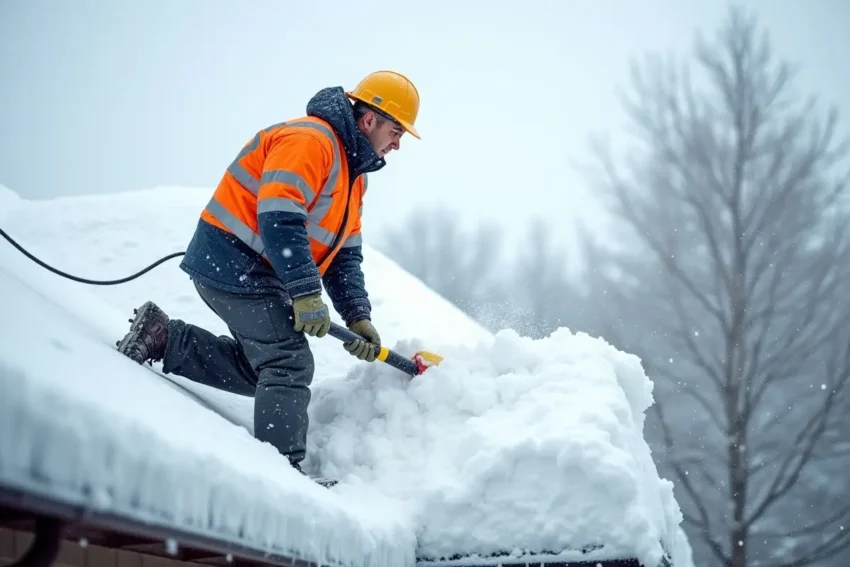
Winter weather in many regions poses a hazard of snow accumulation on roofs, which can put residential structures at risk. As snow accumulates, its weight increases, creating stress that can compromise the integrity of roofing systems. This is especially critical during back-to-back storms or prolonged cold spells. The risk is more pronounced in older homes or those not initially designed for heavy snow loads. Homeowners in areas prone to high snowfall, such as Minnesota, should be proactive in their approach to snow management, monitoring their roofs closely and knowing when to intervene with snow removal.
Aside from the threat of collapsing roofs, heavy snow can lead to dangerous ice dams, leaks, and damage to gutters and eaves. Consistent snow management and timely removal are essential to protect the safety of everyone in the household and avoid expensive repairs come spring. Local services specializing in Roof Raking in St. Paul, MN have noted a rise in calls following significant snowfalls, reflecting growing vigilance among homeowners.
In addition to direct risks, excessive rooftop snow may contribute to uneven melting and refreezing cycles, further weakening the roof and posing slip hazards on sidewalks and driveways below. The combination of ice and snow can create a precarious situation, making it crucial to manage accumulation before it reaches dangerous levels. Municipalities like Anchorage, Alaska, have issued warnings following harsh winters, urging residents to take preventive actions to avoid collapse and related emergencies.
Leaving snow untouched also impacts heating efficiency and can exacerbate moisture problems. Moisture that seeps into the attic or walls due to blocked ventilation can lead to mold growth and insulation deterioration, compounding long-term damage beyond immediate structural issues.
Effective Snow Removal Techniques
To minimize risks, employing the right snow removal techniques is imperative. Experts recommend starting at the roof’s edge and progressing upwards, removing excess snow while leaving a thin layer to avoid damaging shingles or roofing materials. Tools like snow rakes, designed explicitly for pitched roofs, allow homeowners to clear snow safely from the ground.
Best Practices for Safe Snow Removal
- Choose collapsible or extendable snow rakes to minimize the need for climbing ladders.
- Avoid metal-edged shovels that could scrape and harm roof surfaces.
- Work in sections and take regular breaks to prevent overexertion or sudden slips.
- Never try to remove all the snow in one go; a thin, protective layer helps preserve the roof.
For especially heavy accumulations or icy conditions, chemical ice melt products or heated cables may be used; however, these should be applied according to the manufacturer’s guidelines to ensure effectiveness and safety. The This Old House guide offers additional tips for homeowners looking to prevent roof damage and enhance safety without resorting to risky tactics.
The Role of Snow Guards in Preventing Avalanches
Snow guards are strategic devices installed along the roof’s slope as a key component of snow management to control the release of snow and ice. Their primary function is to prevent large sheets of snow from sliding off all at once—a phenomenon known as a rooftop avalanche. These avalanches can cause significant injuries to people below and damage cars, landscaping, or neighboring structures.
By holding the snow in place, snow guards facilitate a controlled approach to snow management, allowing for gradual melting, even weight distribution, and a reduced risk of sudden slides. According to the Metal Roofing Alliance, well-installed snow guards are an effective solution for both metal and shingled roofs, particularly in areas experiencing repeated freeze-thaw cycles.
Recognizing Warning Signs of Structural Stress
Early detection of structural stress can prevent disasters. Warning signs include:
- Sagging roof lines or ceilings inside the home
- Cracks suddenly appearing in walls, especially above doorways and windows
- Audible creaks or popping sounds from the roof or ceiling
- Severe leaks or water stains following snowfall
- Warped or bowed support beams in attics or crawl spaces
The Massachusetts state government advises evacuating and seeking professional help immediately if any of these symptoms are detected, as immediate action can save both lives and property.
Professional Assistance and When to Seek Help
Not all snow removal scenarios are safe for homeowners to handle on their own. Steep roofs, persistent ice dams, or roofs with complex architecture may require specialized equipment and expertise. Professionals are trained to identify and mitigate potential hazards, such as electrical wires or unstable surfaces, and have access to safety harnesses and fall protection equipment.
The Occupational Safety and Health Administration (OSHA) cautions that untrained attempts to clear roof snow can result in serious falls and electrocution hazards, and recommends calling certified professionals for any situation involving high risk.
Preventative Measures for Future Winters
Homeowners can limit future risks through thoughtful planning and routine maintenance:
- Install snow guards to manage accumulation and reduce avalanche risk.
- Inspect roofs, especially before winter, and address any minor damage or weaknesses that are found.
- Keep gutters and downspouts clear so melting snow drains efficiently and doesn’t refreeze on the roof.
- Schedule periodic professional roof assessments to confirm the roof’s load-bearing capacity and detect early signs of trouble.
These precautions offer peace of mind and help ensure both the safety and longevity of the home. By understanding the hazards associated with rooftop snow and taking prompt, informed action, homeowners can protect their property and loved ones year after year.