
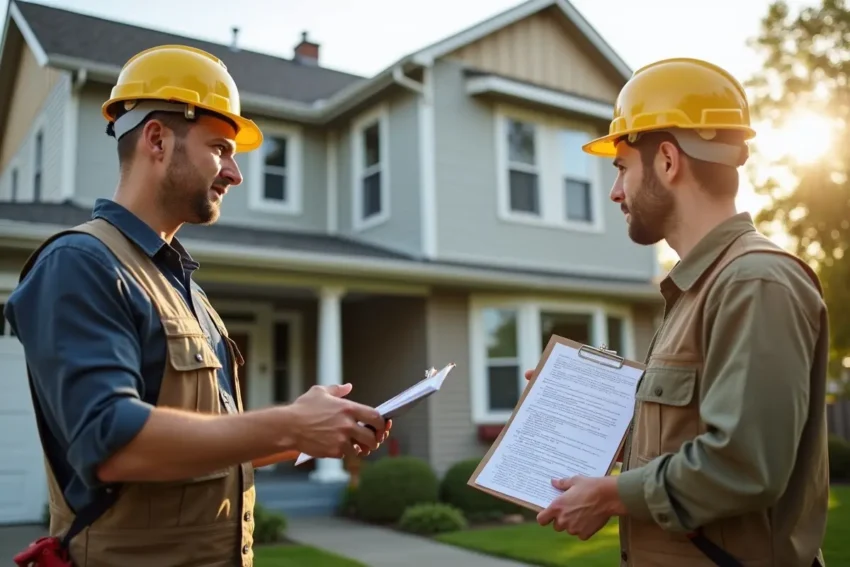
Buying a home is one of the largest investments most people make in their lifetime. This makes the due diligence process critical for any prospective buyer. Home inspections provide a comprehensive review of a property’s overall condition, identifying both visible and hidden problems that might otherwise go unnoticed.
By gaining a thorough understanding of a home’s current state, buyers can proceed with confidence and potentially negotiate repairs or price adjustments before finalizing their purchase. For buyers considering their next move in West Hartford, consulting with West Hartford, CT real estate agents The Connecticut Agency LLC can provide additional reassurance and insight into the process.
Home inspections are typically conducted once an initial offer has been accepted, but before the sale is finalized. The inspection is an unbiased assessment led by a certified professional, whose goal is to ensure you know exactly what you’re getting. Understanding this process allows buyers to avoid unexpected expenses and ensures the new home meets safety and habitability standards.
Key Components Assessed During an Inspection
During a standard home inspection, the inspector systematically reviews all accessible areas of the property. The assessment includes:
- Structural Integrity: The inspector carefully examines the foundation, walls, floors, and roof for signs of settling, cracking, or water intrusion. Structural soundness is key to the long-term stability of the property.
- Electrical Systems: Outlets, breaker panels, and wiring are checked for safety issues, proper installation, and compliance with modern codes. Problems here can pose fire risks or result in costly repairs.
- Plumbing: The inspection covers visible pipes, fixtures, toilets, and water heaters, searching for leaks, corrosion, or outdated piping types that may need replacement.
- HVAC Systems: Heating, ventilation, and air conditioning units are tested to ensure efficient operation, and any concerns, such as inadequate airflow or outdated equipment, are noted.
- Roofing: The roof, including shingles, gutters, and downspouts, is assessed for evidence of leaks, missing materials, or improper drainage that could undermine the home’s protection against weather.
These core elements form the backbone of any thorough inspection, helping to reveal underlying issues that might otherwise lead to high costs post-purchase.
Common Issues Uncovered During Inspections
Many homes, even those well-maintained, reveal surprises during the inspection process. Some typical issues include:
- Water Damage: Whether caused by leaking roofs, pipes, or poorly sealed basements, water damage can compromise both comfort and the structural integrity of a building. Mold or rot may develop if such problems are left untreated.
- Electrical Hazards: Outdated wiring or overloaded panels are not just inconveniences—they’re potential fire hazards that often require professional updating to meet current standards.
- Plumbing Problems: Slow drains, rusted pipes, or dripping fixtures not only waste water but may hint at larger systemic issues below the surface.
- Structural Deficiencies: Cracks in walls or foundations can be a symptom of natural settling, but they may also indicate more serious concerns, such as soil movement or improper construction.
The Importance of Attending the Inspection
Although buyers aren’t required to attend the inspection, being present is highly recommended. This allows for direct interaction with the inspector—buyers can ask questions, see issues firsthand, and discuss topics such as the severity and urgency of repairs, as well as maintenance tips. Walking through the property with an expert’s guidance offers valuable education about your potential home and helps clarify the findings in the written report.
Interpreting the Inspection Report
Once the inspection is complete, the inspector will provide a detailed report that summarizes findings. This document is crucial for making informed decisions throughout the remainder of the buying process. Typically, it will identify:
- Major concerns that require immediate attention
- Recommendations for repairs or specialist follow-up
- Photographic documentation of any identified issues
Understanding this report is crucial for evaluating the investment’s worth.
Limitations of a Home Inspection
Even the most thorough inspection has its boundaries. Inspectors examine only areas that are accessible and visible, which means they can’t uncover problems hidden behind walls, under floors, or in locked spaces. Inspections also don’t provide guarantees about future performance or conditions of elements such as appliances or roofs after purchase.
Specialized Inspections
Certain properties may benefit from additional inspections. These specialized assessments can include:
- Radon Testing: Detecting and mitigating high levels of this odorless gas is essential, as it can pose significant health risks.
- Pest Inspections: Professional examinations for termites or other wood-destroying insects help uncover infestations that could otherwise cause structural harm.
- Mold Assessments: Hidden mold growth can impact indoor air quality and lead to health issues, so it’s important to schedule an inspection with a mold remediation contractor. A specialized assessment can help reveal underlying moisture problems.
Discussing these options with your real estate agent or inspector can ensure a more comprehensive evaluation tailored to the property’s unique features or location.
Final Thoughts
Home inspections are a crucial safeguard in the home-buying process. They empower buyers with the knowledge they need to make informed decisions and negotiate effectively while avoiding costly surprises down the road. By understanding what’s involved, attending the inspection, and carefully reviewing the detailed report, buyers can protect their investment and ensure their new home offers peace of mind.