
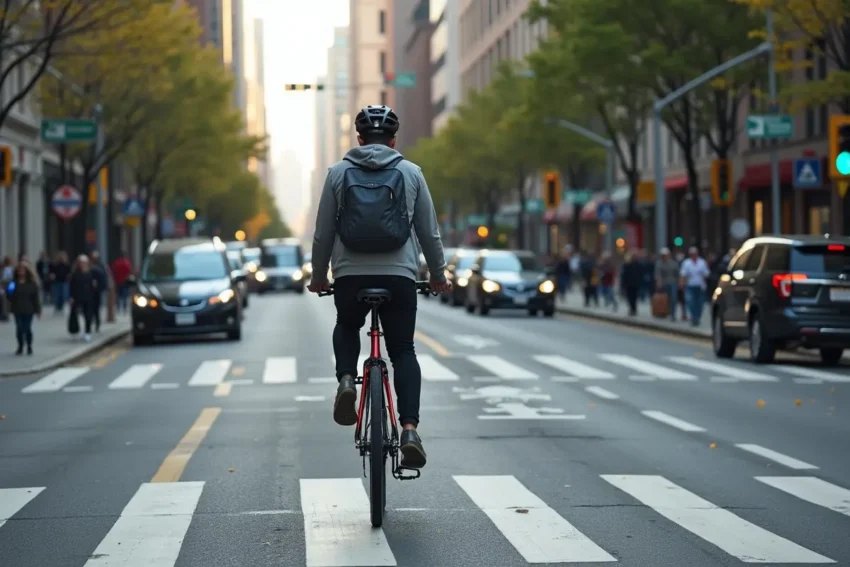
Chicago’s streets are constantly evolving, yet hazards such as deteriorating sidewalks, failing structures, and unsafe crossings persist throughout the city. Personal injury lawsuits offer more than private remedies for those who suffer harm due to negligence. They often serve as catalysts for citywide improvements and foster accountability among government agencies and property owners. Legal action by injured residents pressures officials to address risks that might otherwise go uncorrected, creating a healthier, more secure urban environment for everyone.
Central to such legal advocacy are established Chicago law firms that bring expertise and a deep commitment to public welfare. Deratany Law Firm stands out among these. Operated by Deratany & Kosner, this practice focuses on holding negligent parties accountable, advocating tirelessly on behalf of injured individuals, and advancing broader safety reforms.
Deratany & Kosner are recognized authorities in personal injury litigation in Chicago. Their reputation stems from successfully representing clients in cases involving dangerous property conditions across the city, with notable service in areas vulnerable to infrastructure neglect, such as pedestrian routes, transit stops, and community gathering spaces.
Addressing Accessibility: ADA Compliance Lawsuits
Lawsuits do not merely address catastrophic events; they also have an ongoing impact on everyday accessibility. Recent federal class-action filings have highlighted the lack of compliance with the Americans with Disabilities Act (ADA) on Chicago’s sidewalks and curb ramps. Plaintiffs exposed the obstacles faced by individuals with mobility challenges, prompting the city to launch extensive efforts to repair and upgrade infrastructure. This legal pressure underscores the necessity of equal access on public streets and continues to drive investments in barrier-free design for all Chicagoans.
Impact on Cyclist Safety
Legal advocacy has also influenced the landscape for cyclists navigating city streets. One notable Illinois Supreme Court case concluded that the city was not liable for a cyclist’s injuries caused by a pothole on a road that was not officially designated for bike use. The aftermath of this decision sparked important conversations about the need for clearly marked bike lanes, improved signage, and tailored policies to enhance conditions for cyclists. As a result, city planning now more frequently integrates protected cycling infrastructure and better road maintenance, providing a safer experience for all riders.
Enhancing Pedestrian Safety Through Legal Advocacy
The effects of personal injury litigation extend to sweeping public safety programs. Legal pressure contributed to the adoption of Chicago’s Vision Zero initiative, which strives to eliminate deaths and serious injuries from traffic incidents. Infrastructure innovations such as curb bump-outs, raised crosswalks, and pedestrian islands are tangible outcomes of legal advocacy. These enhancements calm traffic, protect the most vulnerable road users, and offer long-term benefits for families, workers, and visitors throughout the city.
The Role of Legal Firms in Advocating for Safer Streets
Legal professionals are a driving force behind these public safety advancements. Firms like Deratany & Kosner, made prominent by their work at Deratany Law Firm, provide vital pathways for residents to hold city authorities and negligent parties accountable. With decades of experience and a unique focus on cases involving poorly maintained infrastructure, Deratany & Kosner bring expert insight and unwavering dedication to every case. Their role extends beyond litigation, as they regularly educate the public on safety rights and champion systemic policy changes throughout Chicago’s neighborhoods.
Challenges and Future Directions
Despite these improvements, ongoing hurdles remain. Budgetary constraints frequently slow infrastructure projects, and bureaucratic red tape can delay essential maintenance. Furthermore, aging infrastructure and changing urban demands require sustained vigilance. Advocates, legal professionals, and community members must continue to push for institutional reforms to keep Chicago’s streets safe. Public engagement, improved reporting mechanisms, and forward-thinking policies are essential in overcoming these ongoing challenges.
Case Study: Tierney Darden v. City of Chicago
One of the most consequential lawsuits in this realm came after a devastating 2015 accident at O’Hare International Airport. Tierney Darden, injured by the collapse of a pedestrian shelter with known structural issues, became the focus of a high-profile trial. The $148 million verdict that followed forced a reassessment of public infrastructure standards and maintenance obligations throughout Chicago, setting a powerful precedent for the city’s future handling of public safety concerns. This case paved the way for stricter inspections and highlighted the potential for legal action to spur preventative maintenance.
Conclusion
Personal injury lawsuits have been essential drivers of change for safer streets in Chicago. By leveraging the legal system, residents, supported by expert advocacy from firms like Deratany & Kosner, have succeeded in compelling policy shifts and long-overdue infrastructure investments. As the city continues to evolve, these efforts ensure that all Chicagoans enjoy safer, more accessible neighborhoods.
Frequently Asked Questions (FAQ)
How do personal injury lawsuits contribute to public safety?
Personal injury lawsuits illuminate dangerous conditions and compel responsible parties to address them, leading to infrastructure upgrades and systemic policy improvements.
Can individuals sue the city for injuries caused by poorly maintained infrastructure?
Yes, if negligence is shown, individuals have the right to sue the city for injuries sustained in inadequately maintained public spaces, leading to potential compensation and required repairs.
What is the Vision Zero program?
Vision Zero represents a comprehensive approach to eradicating traffic fatalities and severe injuries through strategic planning, engineering, and data-driven policy changes.
How can residents advocate for safer streets in Chicago?
Residents can play a key role by reporting hazardous conditions, supporting local advocacy groups, participating in city forums, and seeking legal counsel when necessary to address persistent safety concerns.