
Karen D’Attanasio is a marketing communications professional whose career spans financial services, brand strategy, and editorial writing. With more than two decades of experience, Karen D’Attanasio has worked with organizations including Brown Brothers Harriman, Northeast Investment Management, Morgan Stanley, and PNC Bank, developing strategic messaging and unified branding platforms. Her early writing experience with the Food Network and HNW, Inc. reflects an ability to present detailed topics in an accessible and engaging manner.
Originally from Needham, Massachusetts, she holds a BA in international affairs and Spanish from Lafayette College and studied abroad in Florence and Seville. Her professional background in storytelling, digital strategy, and audience engagement informs her interest in cultural experiences such as exploring where to find vintage and handmade ceramics in Tokyo.
Where to Find Vintage and Handmade Ceramics in Tokyo
Tokyo offers more than one way to shop for ceramics, from open-air markets to gallery-style displays. For travelers interested in ceramics, such as tableware and décor, the city offers options for both vintage and handmade pieces. From antique and flea markets to specialty ceramic shops and galleries, visitors can find items that reflect both function and form.
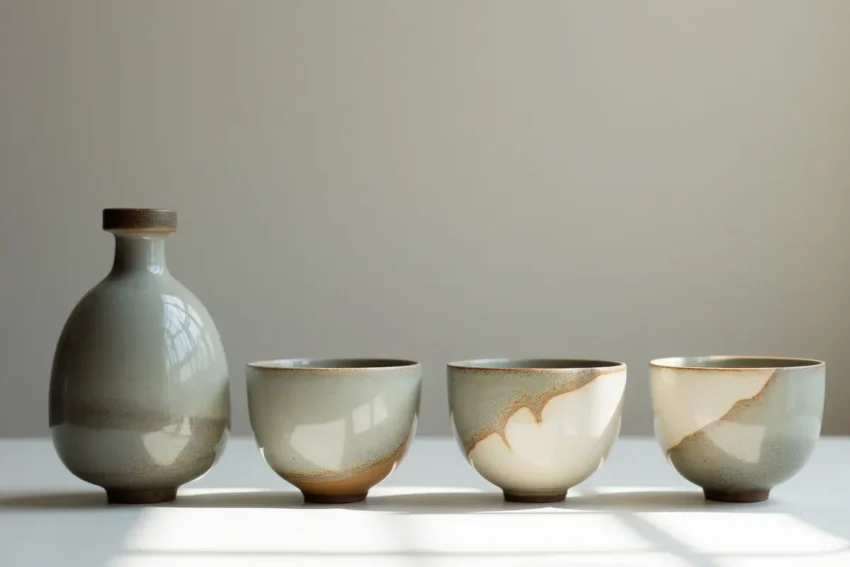
“Vintage” in this context typically means older, previously owned pieces that show signs of use or patina. “Handmade” refers to pieces shaped by individual makers, where small differences in glaze, texture, or form are part of the appeal. When shoppers compare handmade pieces, kiln tradition and regional style often help explain why two bowls meant for daily use can look and feel different.
Many antique and flea markets in Japan take place on the grounds of temples and shrines, and Tokyo has shrine-hosted antique markets as well. Major shrines in the city, including Tomioka Hachimangu, organize antique markets on scheduled dates and invite visitors to browse stalls that feature tableware along with other antiques. These events let travelers see many styles and price points in one place.
While browsing is part of the appeal, markets reward careful inspection and price awareness. City listings and market guides describe these events as ranging from inexpensive finds to valuable antiques, so condition and scarcity can matter as much as style. Before buying, shoppers can check rims and bases for chips or hairline cracks and compare similar items across a few stalls to understand the typical range.
From Meiji Antiques to Modern Makers: Discovering Tokyo’s Ceramic Treasures
For those who prefer a structured setting, Demode Fukunaka specializes in Japanese antique furniture and everyday objects from the Meiji to early Showa periods, and it also sells contemporary items that match those older pieces. Located in Fussa City in western Tokyo, the store lets visitors browse items in person or view listings online. Staff group items under categories such as “utsuwa,” using this label to refer to tableware and vessels within the antiques section.
Shops that focus on handmade ceramics often stock work from makers who produce tableware and vessels for daily use. Items range from tea cups and serving bowls to vases and small plates for everyday meals or special occasions. Some small neighborhood galleries curate seasonal tableware in quiet residential areas, giving visitors time to consider how each piece might fit into their own routines.
Buyers often form personal connections to these pieces. Some choose a bowl based on how it feels in their hand or pick a plate that recalls a meal from the trip. Others bring home small cups or dishes as gifts, especially when the purchase ties to a featured artist or curated selection rather than a mass-produced set.
Once travelers identify their interests, practical planning helps them make the most of their visit. Many markets operate on set days, but schedules can change, and outdoor events may be canceled due to rain. In ceramic shops and galleries, staff often explain who made each piece, the materials used, and how the item is intended for everyday use.
Tokyo’s ceramics scene remains easy to revisit because markets and shop offerings change over time. Travel guides and shop roundups frequently highlight major antique markets as well as smaller galleries that feature seasonal tableware and emerging artists. Visitors who keep a short list of favorite markets and shops can return on future trips and observe what has changed, what remains familiar, and which pieces still feel personally meaningful.
About Karen D’Attanasio
Karen D’Attanasio is a marketing communications leader with experience in advertising, brand management, and digital strategy. She served as Vice President of Marketing Communications at Morgan Stanley, where she supported global brand integration efforts, and later worked as a senior consultant at PNC Bank developing strategic marketing programs. A graduate of Lafayette College, she earned her degree in international affairs and Spanish, graduating cum laude and Phi Beta Kappa.