
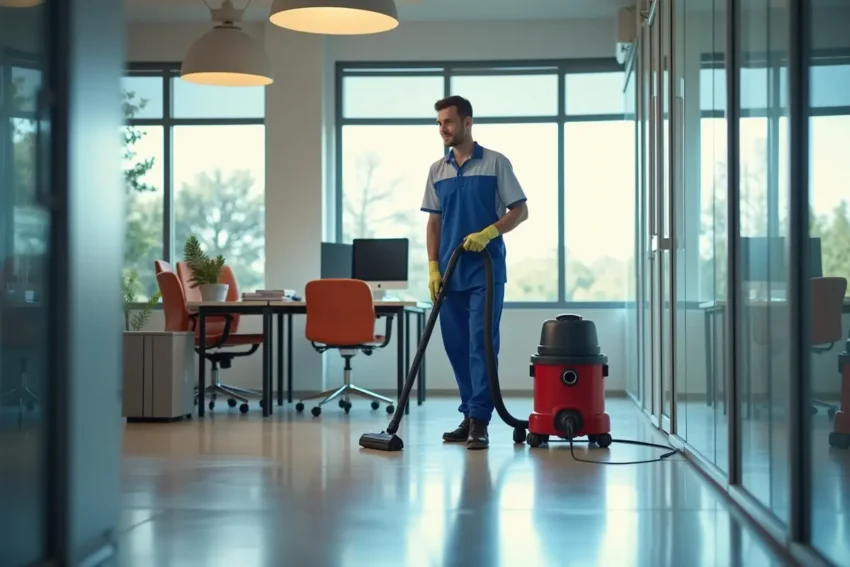
Modern businesses face unprecedented demands for cleanliness, safety, and operational efficiency. In this rapidly evolving landscape, commercial cleaning practices are shifting from traditional labor-intensive methods to advanced, tech-driven solutions. By leveraging smart devices, automation, and sustainable strategies, companies can ensure safer and healthier workspaces for both employees and visitors. For expert support in maintaining your facility’s pristine condition with the latest solutions, consider partnering with Precision Commercial Cleaning.
As corporate responsibility trends guide decision-making, investing in new cleaning innovations not only boosts reputation but also aids in cost savings and reduces environmental impact. Today’s cleaning industry integrates artificial intelligence, real-time data, and non-toxic materials to not only maintain hygiene but also elevate overall building wellness.
Facility managers and business owners now benefit from smarter cleaning routes, data-informed supply replenishment, and automated sanitization strategies. These evolving practices are indispensable for addressing new health challenges and meeting the expectations of today’s workforce. Whether you operate a large warehouse or a boutique office, the future of commercial cleaning is here—focused on flexibility, sustainability, and intelligent management.
To remain competitive and compliant in your industry, proactive adoption of these innovative cleaning methods is essential. Exploring the key technology trends and sustainability practices outlined below can help your organization achieve modern excellence in commercial facility maintenance.
AI-Driven Cleaning Systems
Artificial intelligence is transforming commercial cleaning through adaptive, data-driven processes. AI-powered cleaning robots utilize computer vision and machine learning to adjust schedules and prioritize high-touch or high-traffic areas dynamically. For example, smart sensors can detect foot traffic and dirt accumulation, allowing facility managers to direct cleaning teams precisely where they are needed most, optimizing both cleanliness and labor costs.
Some advanced platforms even provide detailed analytics on cleanliness trends and problem areas, supporting ongoing quality assurance. According to CleanShift, AI-driven systems are becoming a cornerstone for building healthy, efficient workplaces.
IoT-Enabled Smart Cleaning Solutions
The integration of the Internet of Things (IoT) in commercial cleaning has paved the way for interconnected facilities where every element is trackable in real time. IoT sensors monitor air and surface hygiene, track soap and sanitizer levels, and send instant alerts for restocking or deep cleaning needs. This digital oversight removes guesswork and supports a proactive approach—cleaning the right places at the right time.
Additionally, IoT devices connect cleaning machines and systems through centralized dashboards, improving transparency and accountability. Building managers can now utilize real-time data to coordinate staff more efficiently and promptly address urgent cleanliness issues, a vital advantage in industries such as healthcare, education, and hospitality.
Eco-Friendly Cleaning Methods
Sustainability has become a top priority in the cleaning industry. Chemical-free cleaning methods, such as steam cleaning and plant-based solutions, offer effective results with minimal environmental impact. These innovations not only reduce the volume of harmful chemicals entering the ecosystem but also promote healthier indoor air quality, benefiting occupants with allergies or sensitivities.
Modern commercial cleaning increasingly incorporates systems for recycling water, utilizing biodegradable consumables, and minimizing the use of single-use plastics in packaging. As organizations worldwide commit to more sustainable operations, expect green cleaning to continue rising in importance and adoption.
Autonomous Robotic Cleaners
Robotic cleaners are taking on repetitive cleaning jobs—like vacuuming, scrubbing, and disinfection—freeing up staff for more complex or supervisory tasks. These autonomous machines can navigate large warehouses, busy office floors, and even airports safely around people, objects, and changing layouts. With onboard mapping technology and continuous learning, robotic cleaners provide reliable service at scale, delivering consistent cleanliness across entire facilities.
Many robots are designed with modular attachments, meaning the same machine can switch from mopping to sweeping or handle multiple types of flooring without intervention, boosting efficiency and cost-effectiveness.
UV-C Light Disinfection
UV-C light is a proven germicidal technology that disinfects surfaces and air without the use of chemicals. Hospitals, schools, and transportation hubs are increasingly relying on UV-C robots or fixed installations to neutralize viruses and bacteria within minutes, thereby significantly reducing the risk of contagion.
Regular UV-C treatment can supplement manual cleaning to maintain a high level of hygiene, which is particularly important during flu season or public health outbreaks. A recent profile in CBS New York examined how UV-C systems are becoming increasingly affordable and accessible to commercial facilities of all sizes.
Electrostatic Disinfection Technology
Electrostatic disinfection involves spraying charged droplets of disinfectant that cling to and wrap around surfaces—delivering a thorough and efficient clean, including hard-to-reach spaces. This method ensures that all angles are covered, minimizing the likelihood of missed areas.
The technology is invaluable not just for surfaces that are often touched but also for detailed equipment and fixtures that are hard to sanitize manually. The result is a deeper, faster, and more reliable clean, with reduced chemical waste compared to conventional spraying methods.
Smart Dispensing Systems
AI-powered dispensing systems track usage patterns for paper products, soap, and sanitizers, enabling facilities to reduce waste and prevent shortages more easily. These systems utilize machine learning to predict peak usage times and automatically reorder supplies before they are depleted. Facility managers receive real-time notifications and actionable reports, supporting streamlined inventory management and more sustainable business practices.
By minimizing unnecessary product use and reducing labor associated with manual checks, innovative dispensing systems improve both sustainability and cost control for modern facilities.
Predictive Maintenance
Predictive maintenance solutions use IoT sensors and historical equipment data to detect potential failures before they disrupt cleaning operations. This strategy enables proactive servicing and repairs, thereby reducing unexpected downtime and costly last-minute fixes. Prolonged equipment life and uninterrupted service excellence make predictive maintenance a core feature of future-focused facility management platforms.
As cleaning machinery becomes increasingly essential to business operations, predictive maintenance ensures investments are protected, and staff can always rely on the tools they need to do their best work.
Embracing these advanced commercial cleaning solutions positions your business as a leader in health, safety, and sustainability while optimizing operational costs and safeguarding employee well-being. Staying current with today’s innovations keeps your environment spotless and your brand ahead of the curve.