
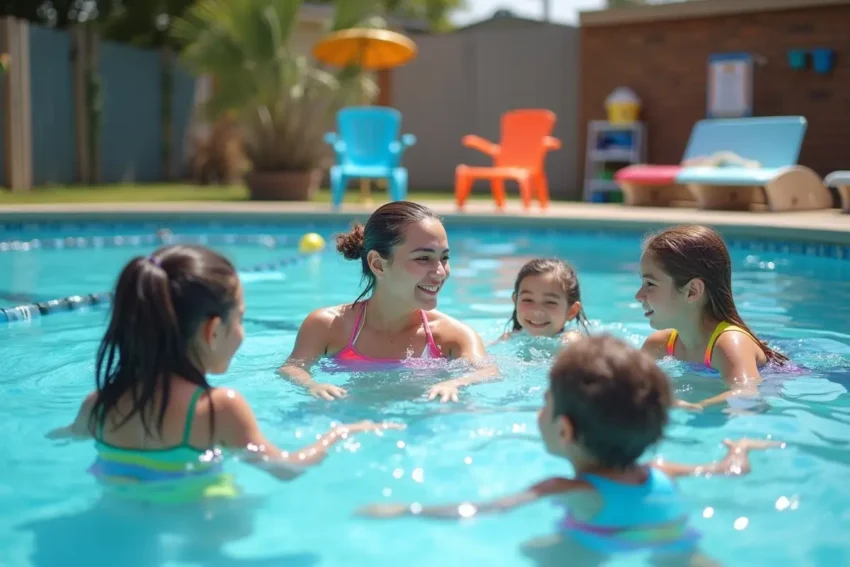
Swimming is more than just a recreational activity—it’s an essential life skill that provides children with lasting benefits, both physically and emotionally. Through consistent swim lessons, kids gain invaluable experience in overcoming challenges, strengthening their bodies, and developing greater self-belief. Local opportunities like swim classes NYC are perfect for families in urban settings, offering structured learning environments where children can thrive and grow.
Beyond the immediate fun and excitement of splashing in the water, swimming introduces important safety elements and skills that children will rely on for life. Kids often face new experiences and minor setbacks in the pool, and learning to deal with these in a supportive environment can positively shape their perspective on challenges well beyond the swimming pool.
Early exposure to swimming gives children opportunities to set and strive toward achievable goals, transforming their initial fears into a source of empowerment and pride. Jumping into the water for the first time, practicing floating, or mastering a new stroke all serve as tangible milestones that mark progress and build motivation.
Moreover, structured swim lessons help kids learn how to navigate new social settings and unfamiliar challenges with greater ease and self-assurance. Whether your child is stepping into the water for the first time or aiming to improve their swimming techniques, the right lessons can pave the way toward a lifetime of confidence, healthy habits, and enjoyment of physical activity—even outside the pool environment.
Overcoming Fear of Water
For many children, their introduction to swimming can be met with hesitation or anxiety. Whether it’s the sensation of being immersed, unfamiliar sounds, or simply a fear of the unknown, water can feel intimidating at first. Structured swim lessons present a patient, supportive environment where young swimmers are eased into the water at their own pace, building trust both in themselves and their instructors.
Step by step, they learn foundational skills such as submerging their face, blowing bubbles, or floating on their backs, each small victory serving as a building block for future progress. With positive reinforcement, encouragement, and consistent exposure, children gradually replace fear with curiosity and excitement. Every success story in the pool—no matter how minor—demonstrates that persistence leads to progress, a lesson that transcends swimming and applies to all areas of life.
Overcoming the fear of water helps children develop a crucial sense of mastery and agency, echoing research from Swimmer Living that highlights the psychological and emotional benefits of learning to swim. Ultimately, mastery over water fears often translates into increased willingness to tackle other challenges, inspiring growth far outside the aquatic environment.
Building Physical Strength and Coordination
Swimming activates nearly every muscle group and challenges children to coordinate their arms, legs, and core in rhythm. It offers a comprehensive workout that improves heart health, builds muscle, and teaches essential motor skills. As kids learn different strokes—from freestyle to backstroke and even butterfly—they gain not only technical swimming skills but also increase their stamina and bodily control.
Progress is easy to see and feel: children notice themselves swimming longer distances, holding their breath for more extended periods, and executing increasingly smooth strokes. Each improvement in the pool reinforces self-confidence, proving to kids that they can do hard things if they commit to practice. This sense of capability often radiates into other athletic activities, making them more likely to pursue sports and take on active roles in play.
Moreover, the improved coordination and fitness gained in the water often result in better performance in everything from running and soccer to climbing on the playground. These gains provide tangible proof of hard-earned skill, further reinforcing a child’s self-esteem and inspiring greater confidence in their abilities to tackle new activities inside and outside the pool.
Enhancing Social Skills
Group-based swim lessons are about more than just learning strokes—they create opportunities for children to build and refine their social skills. When kids participate in lessons with peers, they learn to communicate clearly, listen to instructions, and interact positively with others in both structured and unstructured settings.
Waiting their turn, encouraging classmates, and celebrating each other’s achievements all foster a sense of teamwork and empathy. Skilled instructors manage group dynamics, helping children feel included and valued regardless of their skill level. This environment is particularly valuable for children who are naturally introverted or anxious in social situations. Swim lessons provide a low-pressure way to break the ice, as children bond over shared experiences and gradually develop friendships that extend beyond the pool.
These positive social interactions shape not only how kids feel about themselves, but also how they approach new groups, activities, and challenges in other areas of life. The sense of community that forms around swim lessons can boost both individual and collective confidence, making the water a place where all children feel empowered to grow.
Fostering Independence and Resilience
The pool is a unique environment where children can discover what they’re capable of achieving without immediate help from parents or caregivers. Taking those first few unaided strokes is a powerful milestone, signaling a newfound sense of independence and self-sufficiency. During swim lessons, children are encouraged to push past their comfort zones and to try—and try again—when things don’t go perfectly.
Whether it’s mastering a new stroke, floating independently, or reaching the pool’s edge for the first time, each accomplishment results from their own effort and determination. Learning to cope with minor setbacks or struggles in the pool fosters resilience, teaching kids that progress often involves perseverance and even occasional failure.
Such experiences develop critical problem-solving skills and a growth mindset—qualities that help children thrive not only in the pool, but also throughout life. As kids become more self-reliant in the water, they naturally translate this confidence to other environments, trusting in their ability to learn and adapt.
Promoting Mental Well-Being
Swimming’s soothing, rhythmic movements are known to promote mental relaxation and reduce stress—qualities that can be especially beneficial for young children navigating busy classrooms or social demands. The predictability and routine of swim lessons can provide a comforting sense of structure, making children feel safe and in control, which is particularly helpful for those prone to anxiety.
The gentle resistance and buoyancy of water help promote focus, mindfulness, and even emotional regulation. Furthermore, regular swimming is strongly associated with improved mood, reduced symptoms of stress, and better sleep quality in children. The calming effects of immersion, combined with physical exertion, encourage feelings of accomplishment and comfort.
According to the Centers for Disease Control and Prevention, swimming supports both physical and mental health, making it a recommended activity for growing children seeking balance and well-being. Consistent participation in swim lessons can help children manage emotions, build resilience to daily challenges, and emerge as more confident, emotionally balanced individuals.
Instilling Lifelong Healthy Habits
Introducing children to swimming at an early age not only improves fitness, but also fosters a lifelong appreciation for exercise and overall well-being. The positive experiences kids gain in the pool create lasting associations between movement, health, and fun. As they see their skills improve and their confidence grow, they naturally develop greater motivation to stay active and engaged in physical activities.
Early adoption of swimming—one of the most accessible and inclusive forms of fitness—often leads to children carrying these routines into adolescence and adulthood. Lifelong aquatic skills can also reduce the likelihood of sedentary habits that are often linked to chronic health issues later on. By mastering an essential safety skill and experiencing consistent, enjoyable exercise, children build routines that support both mental and physical health well into their future. The self-assurance and pride nurtured in the pool can have lasting positive effects, encouraging healthy habits and an enduring pursuit of active living.
Conclusion
The impact of swim lessons goes far beyond basic water safety. From overcoming initial fears and making new friends to discovering one’s own physical strength, each swim session becomes a vehicle for self-discovery and personal growth. Structured swim lessons not only nurture confidence and independence, but also help children develop resilience, healthy habits, and a lifelong sense of accomplishment.
By embracing swim lessons, parents can set their children on a path toward well-rounded confidence, a healthy relationship with exercise, and a balanced lifestyle for years to come. Families who invest in swimming give their children a gift that will support them, both in and out of the water, as they grow.