
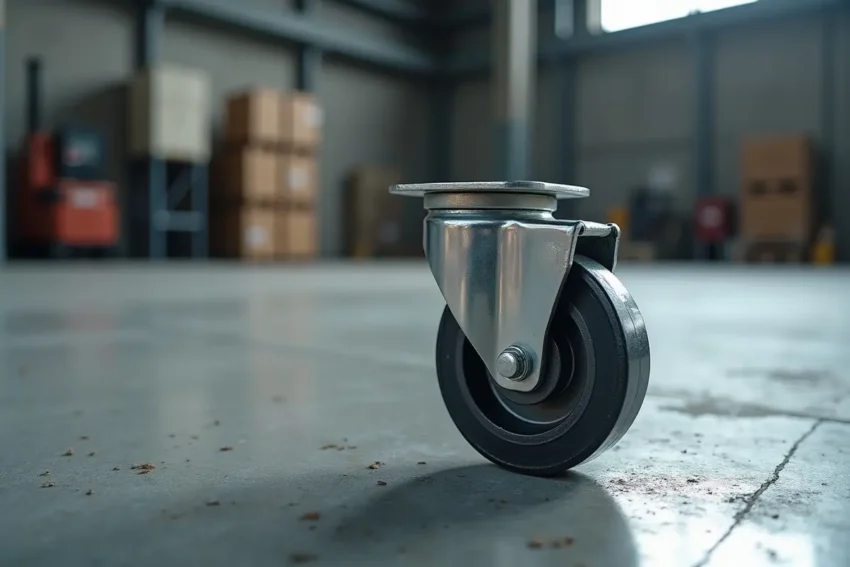
Whether you’re designing a manufacturing assembly line, fitting out hospital equipment, or upgrading warehouse carts, choosing the right casters is foundational for efficiency and safety. Key to this process is a clear understanding of your load requirements and how these apply to caster selection. Calculating total load, then dividing that weight by the number of casters, helps determine what each caster must support.
As a safety best practice, always select casters with a higher capacity than your minimum calculations indicate. In scenarios where sudden bumps or uneven flooring may be encountered, exceeding the basic requirement by approximately 25–30% ensures reliable performance and reduces the risk of caster failure. For example, a 400 lb cart on four casters means you should target caster ratings above 100 lbs each to provide a safety margin.
When sourcing industrial casters, it is essential to match product specifications not only to the static weight but also to operational factors such as the frequency of movement and potential load shifts.
The consequences of underestimating load capacity can range from premature caster wear to dangerous equipment failure. Overloading a caster can cause the wheels to flatten over time, the bearings to seize up, or even the mounting hardware to break. By taking a conservative approach to load calculation, you help prevent unexpected downtime or costly repairs.
Choosing the Right Wheel Material
The surface conditions your equipment encounters are just as important as the load when it comes to caster selection. The wheel material plays a crucial role in determining overall performance and longevity. Each material offers unique advantages:
- Rubber: Delivers quiet, vibration-absorbing motion and protects floors, making it ideal for office, healthcare, or retail spaces with tile or hardwood floors.
- Polyurethane: Provides increased resistance to wear, chemicals, and heavy loads. These are a top choice for mixed flooring types and where high durability is required.
- Steel or Cast Iron: Suited for rugged outdoor settings or facilities where loads are hefty.
- Nylon or Plastic: Offers lightness, ease of movement, and water resistance—making them a match for damp or washdown-prone environments.
Choosing wisely among these materials helps minimize floor damage, reduce noise, and maintain a safer workspace. Durability and maintenance considerations should drive your selection, especially in industrial settings where high-frequency use is everyday.
Considering Environmental Factors
Environmental variables can dramatically influence caster performance. For example, factories or outdoor worksites often require casters that withstand moisture, grit, or uneven surfaces. In textile, automotive, or heavy machinery settings—where equipment routinely carries 100-200 kg or more—the correct type of caster ensures mobility and reduces strain on floors and workers.
Some industries must also contend with extreme temperatures or corrosive chemicals, necessitating the use of heat-resistant or non-corrosive materials. As referenced by industry specialists, taking these situational factors into account leads to optimal functioning and prevents operational disruptions.
Mounting Options and Configurations
Securing casters to your equipment is just as vital as the wheels themselves. There are three primary mounting styles:
- Top Plate: Offers a secure and stable attachment, commonly used for industrial carts, hospital beds, or machinery.
- Stem: Frequently used in furniture or light-duty applications, these can be threaded, use grip rings, or have expanding adapters for different socket sizes.
- Bolt Hole: A quick, single-bolt option ideal for lighter carts or transport units.
Ensure your choice not only matches load and operation type but also fits seamlessly with the equipment’s existing mounting points. Consulting equipment manuals or manufacturer specifications is best practice before making a purchase.
Swivel vs. Rigid Casters
The mix of swivel and rigid casters installed defines your equipment’s maneuverability. Swivel casters rotate 360 degrees, enabling tight turns and responsive movement, ideal for navigating cluttered or complex layouts. Rigid casters travel only in a straight line, providing essential stability for heavier or longer items that require defined travel paths.
For most operational needs, pairing two swivel and two rigid casters achieves the ideal balance of control and agility. This configuration is especially effective in narrow aisles or busy workspaces where both movement and directional stability are required.
Industry-Specific Considerations
Specialized industries require casters tailored to their daily demands. In military applications, durability and high load capacities are non-negotiable—look for strong steel or forged frameworks. The manufacturing sector often seeks non-marking treads to guard sensitive flooring while supporting substantial weights.
Aerospace operations demand ultra-precise maneuverability and the highest-quality swivel mechanisms for ground support equipment. Understanding these unique needs—sometimes legislated by industry safety standards—is crucial. For those in the manufacturing and material handling industries, the OSHA official guidelines are invaluable in ensuring equipment safety compliance.
Maintenance and Longevity
Investing in quality casters pays off in the long run, provided regular upkeep is maintained. Conduct periodic checks for loose bolts, wheel or tread wear, and signs of corrosion. Lubricate bearings and replace worn parts at the first sign of trouble to minimize downtime and prevent further issues.
Adhering to a maintenance schedule extends the life of your casters, preserves floor integrity, and safeguards employee safety. When weighing initial costs, remember that higher-quality casters, properly maintained, will usually outlast their budget counterparts and reduce overall facility maintenance expenses.
Conclusion
Choosing the right caster is a multifaceted process that extends beyond simple weight considerations. Factoring in surface conditions, environmental challenges, mounting setup, and specific industry standards ensures a robust, efficient, and safe material handling solution. By choosing wisely and maintaining proactively, you will optimize your operation’s efficiency and protect your investment for the long term.