
Most homes don’t fall apart overnight. Problems usually start small, a faint noise, a slight draft, a slow drain, and get ignored because everything still “works.” Life gets busy, and if something isn’t broken, it’s easy to move on. The trouble is that small issues tend to grow quietly, turning into repairs that feel sudden and expensive later on.
Home upkeep isn’t about perfection or constant fixing. It’s about noticing patterns and giving attention to the parts of your home that work hardest every day. Many homeowners focus on visible updates while overlooking routine maintenance that keeps things running safely and smoothly behind the scenes.
The good news is that staying ahead of upkeep doesn’t require special tools or deep technical knowledge. It starts with awareness and a willingness to check in on the parts of your home that are easy to take for granted. Some of the most overlooked areas are also the most frequently used, which makes them the smartest place to start.
Pay Attention to Moving Parts You Use Every Day
Anything in your home that moves regularly experiences wear, even if it still seems to function fine. Hinges, tracks, rollers, and motors all slowly take on stress from daily use. Because these parts tend to work quietly in the background, small warning signs often go unnoticed.
One of the most common examples is garage doors, which open and close multiple times a day while supporting a lot of weight. Over time, components like springs, cables, and rollers can wear down, creating strain on the system and increasing safety risks. What starts as extra noise or slower movement can turn into sudden failure if ignored.
Professional garage door services can inspect these systems, handle proper adjustments, and replace worn parts before they cause bigger problems. Routine maintenance helps improve reliability, reduce strain on the motor, and keep daily use safe. Paying attention early can prevent unexpected breakdowns and help extend the life of the entire system.
Check Exterior Seals and Surfaces Before Damage Spreads
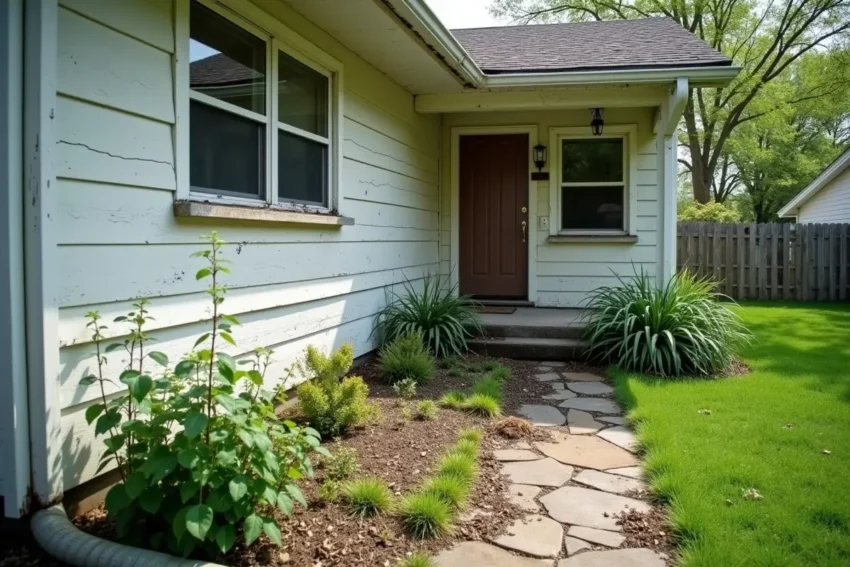
The exterior of your home takes constant exposure to the weather, but many homeowners only notice problems once visible damage appears. Small cracks in caulking, worn weatherstripping, or peeling paint may seem cosmetic at first, but they often allow moisture and air to slip inside.
When seals fail, water can work its way into walls, window frames, and foundations. Over time, this leads to rot, mold, or insulation damage that’s much harder to fix. A simple walk around your home a few times a year can help spot early warning signs before they escalate.
Refreshing caulking, repairing small gaps, and keeping exterior surfaces protected help maintain indoor comfort and energy efficiency. These small tasks don’t take long, but they play a big role in keeping your home protected from long-term damage.
Don’t Ignore Drainage and Water Flow Around the Home
Water is one of the biggest threats to a home when it isn’t managed properly. Gutters, downspouts, and grading are designed to move water away, but they often get ignored until something goes wrong. Clogged gutters or misdirected downspouts can send water straight toward the foundation.
Standing water near the home can weaken structural supports and lead to leaks in basements or crawl spaces. Even small drainage issues can cause soil erosion over time, which puts added pressure on foundations and walkways.
Clearing gutters, checking downspout placement, and making sure water flows away from the house are simple but critical tasks. These checks are especially important before and after heavy rain seasons, when water damage is most likely to occur.
Maintain Hidden Systems Before They Cause Disruptions
Some of the most important systems in your home are the ones you rarely see or think about. Plumbing lines, exhaust vents, shut-off valves, and electrical connections stay tucked away behind walls, under floors, or in utility spaces, which makes them easy to forget. Because they work quietly in the background, small problems can go unnoticed for a long time. When something finally fails, the disruption often feels sudden and stressful.
Warning signs usually show up long before a full breakdown. Slow leaks, unexplained drops in water pressure, unusual sounds in pipes, or rooms that don’t ventilate properly can all point to deeper issues. These symptoms may seem minor at first, but ignoring them can lead to water damage, poor air quality, or unexpected system shutdowns.
Taking time to understand where your main shut-off valves are and checking visible pipes, vents, and connections every so often can make a big difference. Routine inspections and basic awareness reduce the chances of sudden emergencies and costly repairs. When hidden systems are maintained properly, your home feels more reliable, runs more efficiently, and gives you peace of mind instead of unpleasant surprises.
Stay Consistent With Simple Seasonal Maintenance Tasks
Seasonal maintenance often gets skipped because it feels minor or repetitive. Tasks like changing air filters, testing smoke detectors, and clearing outdoor fixtures don’t seem urgent, but they have a big impact over time.
Skipping these small jobs can lead to reduced system performance and safety risks. Dirty filters strain heating and cooling systems, while neglected detectors may fail when you need them most. Consistency matters more than effort when it comes to these habits.
Creating a simple seasonal checklist can make upkeep feel manageable instead of overwhelming. When maintenance becomes routine, it stops feeling like a chore and starts feeling like part of normal home care.
Home upkeep doesn’t require constant attention, but it does reward consistency. Small problems are easier and cheaper to fix when they’re caught early. When ignored, those same issues often turn into repairs that disrupt daily life.
Staying proactive helps protect your investment and keeps your home comfortable, safe, and reliable. Over time, regular maintenance reduces stress because you’re less likely to face unexpected breakdowns or costly emergencies.
A well-maintained home doesn’t just look better. It works better. By paying attention to the areas homeowners often overlook, you create a space that supports you quietly and reliably every day.