
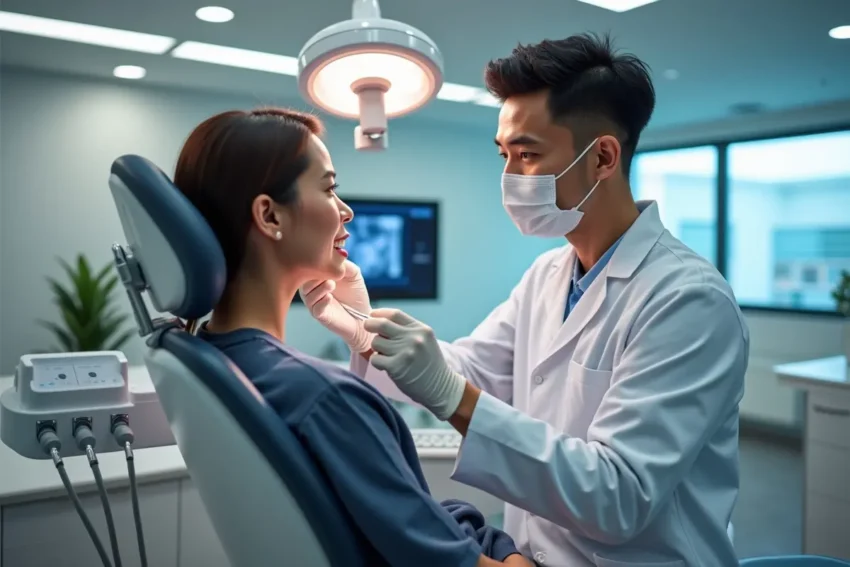
Dental implantology is undergoing a remarkable transformation, bringing forth groundbreaking solutions for individuals seeking tooth replacement. Over the past decade, advances in this field, including dental implants, have drastically improved the efficiency, comfort, and results of dental implant procedures, making them a preferred choice for patients of all ages. Tooth loss can have a significant impact on oral health, overall function, and self-confidence, so it’s crucial for individuals to be aware of the latest innovations and understand how they can benefit.
For those exploring options for expert and trustworthy care in Oklahoma, Dental Arts of Oklahoma stands out. With offices in Catoosa, Locust Grove, Tulsa, Nowata, and Bixby, they employ state-of-the-art technology hand-in-hand with a compassionate, personalized approach to deliver the best possible outcomes for their patients.
Advanced Materials in Dental Implants
Traditionally, titanium has been the standard for dental implants due to its strength, biocompatibility, and ability to fuse with bone through osseointegration. However, concerns about metal sensitivities, allergies, or patient preferences for non-metallic options have led to research into alternatives. Zirconia, a high-performance ceramic that is metal-free and mimics the color of natural teeth, is one such option, providing attractive, seamless results.
Its smooth surface encourages better gum health by reducing plaque and inflammation. Although zirconia’s rigidity and inertness limit its use in complex or high-stress applications, where titanium, with its proven reliability, is preferred, ongoing developments in new materials are improving personalized treatment options.
Digital Workflows and AI Integration
The adoption of digital technologies and AI is revolutionizing how dental implants are planned and placed. Digital impressions now replace traditional molds, while intraoral scanners and CBCT provide detailed 3D images rapidly and accurately. Virtual planning software allows for simulation of the implant procedure to ensure precise placement.
AI tools assist in evaluating bone density and selecting appropriate implant size and position based on the patient’s unique anatomy. These advances enhance accuracy, improve communication, and increase predictability, resulting in better patient outcomes and fewer complications.
Minimally Invasive Surgical Techniques
Innovations in surgical technique are transforming dental implantology into a less stressful experience for patients. One of the most significant advancements is the adoption of guided surgery, which uses comprehensive digital imaging and planning to precisely map out the entire placement procedure before any incision is made.
Surgical guides, custom-crafted for each patient, ensure the implant is positioned in the optimal location with the correct angulation and depth, minimizing risk to surrounding nerves and anatomical structures. Smaller, more precise incisions mean less tissue trauma, leading to reduced bleeding, swelling, and overall discomfort after the procedure.
Patients generally experience much faster healing times and a lower risk of infection. As these techniques become more mainstream, people who previously hesitated about implants due to fears of surgery or recovery now find this option more accessible and manageable.
3D Printing and Customized Implants
3D printing is rapidly transforming the dental implant workflow, allowing the design and creation of customized implants and abutments that precisely match a patient’s anatomy. Through digital scanning, dentists can produce virtual models of the mouth, which are then used to fabricate surgical guides, crowns, and even full implant components with dependable fit and finish.
This level of customization improves comfort, maximizes functionality, and delivers a highly natural appearance that can be difficult to distinguish from real teeth. Additionally, 3D printing allows for an accelerated production timeline, enabling faster delivery and placement and reducing the number of required appointments.
This rapid, patient-friendly process improves the overall experience, since visitors spend less time waiting and more time enjoying their results. The ability to quickly iterate and customize components has also opened new doors for complex or unusual cases, enabling solutions that were previously difficult or impossible to achieve with traditional manufacturing.
Immediate Implant Placement and Loading
The concept of immediate implant placement and loading is quickly gaining in popularity due to its patient-centered benefits. In traditional implantology, there’s often a waiting period of several months between implant placement and the attachment of the final crown, to ensure the implant has fully fused to the bone.
Recent advancements in surgical technique, biomaterials, and bone grafting technology, however, mean that in many cases, patients can now receive their implant and a functional, aesthetically pleasing temporary restoration in a single visit. This approach dramatically reduces the total treatment time and ensures patients never have to go without a tooth in a visible area.
Immediate solutions quickly restore confidence and chewing ability, minimizing discomfort and inconvenience. While strict criteria still guide case selection, emphasizing bone quality and health, ongoing research expands the indications for same-day implants and restorations.
Robotic-Assisted Dental Surgeries
Robotic technology is now entering the world of dental implant surgeries, offering a new level of accuracy and consistency in complex procedures. Highly advanced robotic systems can assist the dentist by providing real-time guidance and physical support during implant placement, tracking preoperative plans, and ensuring the implant is delivered to the exact pre-determined location.
These robotic systems can also help reduce surgeon fatigue and improve consistency, especially in cases requiring intricate maneuvers or access to challenging areas. With their assistance, minimally invasive techniques become even more reliable, reducing the potential for human error and shortening operation times. This not only leads to fewer complications and faster healing but also enhances patient safety and satisfaction.
Smart Implants and Osseointegration Monitoring
Future-facing research in dental implantology has begun to produce ‘smart’ implants equipped with miniature sensors and wireless technology for real-time monitoring of osseointegration, the vital phase when the implant fuses with the jawbone. With these sensors, dentists can monitor key parameters, including temperature, pressure, stability, and bone growth, gathering detailed data without invasive checkups.
This direct feedback helps guide the optimal timing for placing the final crown or adjusting the restoration, reducing guesswork and the risk of premature loading, which can compromise success. Ultimately, smart implants set the stage for a highly personalized, precision-driven approach in which every patient’s progress is tracked and optimized for the best possible outcome.
Conclusion
The field of dental implantology is advancing at an unprecedented pace, driven by the convergence of advanced biomaterials, digital technologies, and minimally invasive surgical techniques. Patients now have access to comfortable, aesthetic, and reliable solutions that were simply not possible just a decade ago.
By staying informed about emerging trends, such as zirconia and smart implants, digital workflows, AI-assisted treatments, and same-day results, patients and clinicians can make more empowered decisions and achieve lasting, satisfying outcomes in tooth replacement. A future where losing a tooth is no longer a life-changing event is rapidly approaching, with new innovations continually reshaping what’s possible in restoring healthy, confident smiles.