
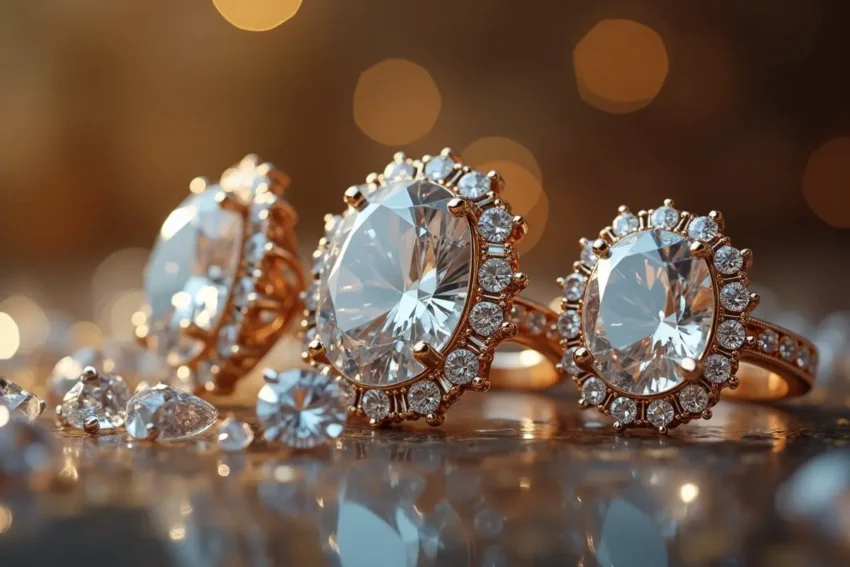
Trends in engagement jewellery evolve constantly. Shapes rise in popularity, settings shift from minimal to ornate, and preferences change with each generation. Yet some design choices remain remarkably steady. They move through decades without losing relevance, adapting quietly rather than fading.
Among these enduring elements is the continued appeal of the classic circular stone. While newer cuts attract attention for their distinctiveness, the traditional silhouette continues to feel familiar and reassuring.
The Enduring Appeal of Round Shapes
When exploring different stone shapes, many couples naturally return to round diamonds. Their symmetry feels balanced, their proportions feel harmonious, and their light performance tends to be striking.
The circular shape has long been associated with continuity and completeness, which may partly explain its connection to engagement jewellery. Beyond symbolism, however, there is a practical reason for its popularity. Round stones are cut to maximise brilliance, allowing light to reflect evenly across the surface.
This consistent sparkle gives the shape a sense of vitality that rarely feels dated.
A Balance Between Tradition and Modernity
Round diamonds are often described as traditional, but that does not mean they feel old fashioned. Instead, they occupy a unique space between heritage and adaptability.
They can be set in classic solitaires, vintage inspired designs, or sleek contemporary settings without losing their identity. The shape acts as a foundation upon which different design languages can be built.
This flexibility allows round stones to remain relevant even as broader aesthetic preferences shift.
Understanding Why Brilliance Matters
One of the defining characteristics of a round diamond is its ability to reflect light efficiently. The proportions are calculated to enhance sparkle, creating a lively visual effect under a range of lighting conditions.
This quality often appeals to those who want their engagement ring to feel luminous without relying on additional embellishment. The brilliance becomes the focal point, reducing the need for intricate detailing elsewhere.
In many ways, the cut does much of the visual work on its own.
A Shape That Suits Many Hand Types
Another reason round diamonds remain popular is their versatility across different hand shapes and sizes. Their balanced proportions tend to sit comfortably on the finger, neither elongating nor widening dramatically.
This neutrality can make them easier to visualise and wear long term. For many, the decision feels intuitive rather than experimental. The shape looks familiar, yet refined.
That balance often leads to lasting satisfaction.
Moving Beyond the Idea of Safe Choices
Round diamonds are sometimes described as the safe option. Yet this characterisation overlooks the subtle strength of choosing something enduring.
Selecting a timeless shape does not necessarily reflect caution. It can instead signal clarity of preference. Some individuals value reliability, harmony, and proven design principles over novelty.
The decision becomes about alignment rather than risk.
How Setting Influences the Final Look
While the shape itself remains consistent, the setting dramatically influences the overall aesthetic. A minimalist band can highlight the stone’s clean symmetry, while additional detailing can introduce texture and dimension.
Because round diamonds are so adaptable, they pair easily with a wide range of metals and band styles. This allows for personalisation without altering the core silhouette.
The result often feels both classic and individual.
Everyday Wear and Longevity
Engagement rings are worn daily, often for decades. Shapes that integrate easily into routine tend to hold their appeal longest.
Round stones, with their smooth outlines and balanced structure, typically feel secure and comfortable. Their even proportions reduce the likelihood of catching or feeling uneven on the hand.
This practicality supports their enduring reputation.
A Cultural Familiarity
There is also an element of cultural familiarity attached to round diamonds. They are frequently depicted in films, advertising, and family heirlooms. This repeated exposure builds a sense of recognition and comfort.
Familiarity does not diminish value. In many cases, it strengthens emotional connection. The shape feels connected to shared history while remaining open to reinterpretation.
That familiarity can feel grounding during significant life transitions.
Personal Preference Over Trend
In a landscape where engagement ring trends change rapidly, round diamonds often remain steady. While other shapes may dominate certain seasons, the circular cut continues quietly in the background.
This steadiness appeals to those who prefer longevity over trend driven decisions. The ring is chosen not for the moment, but for the years ahead.
That long term perspective often shapes more satisfying outcomes.
When Familiarity Feels Right
Ultimately, the appeal of round diamonds lies in balance. They offer brilliance without complication, tradition without rigidity, and versatility without dilution.
For many couples, the choice feels less like a bold declaration and more like a natural conclusion. After exploring different shapes and settings, they return to what feels harmonious and enduring.
In the end, engagement jewellery is about marking a meaningful commitment. When a design feels timeless, adaptable, and quietly confident, it tends to remain meaningful long after trends have shifted. Round diamonds continue to hold their place not because they demand attention, but because they consistently feel right.