
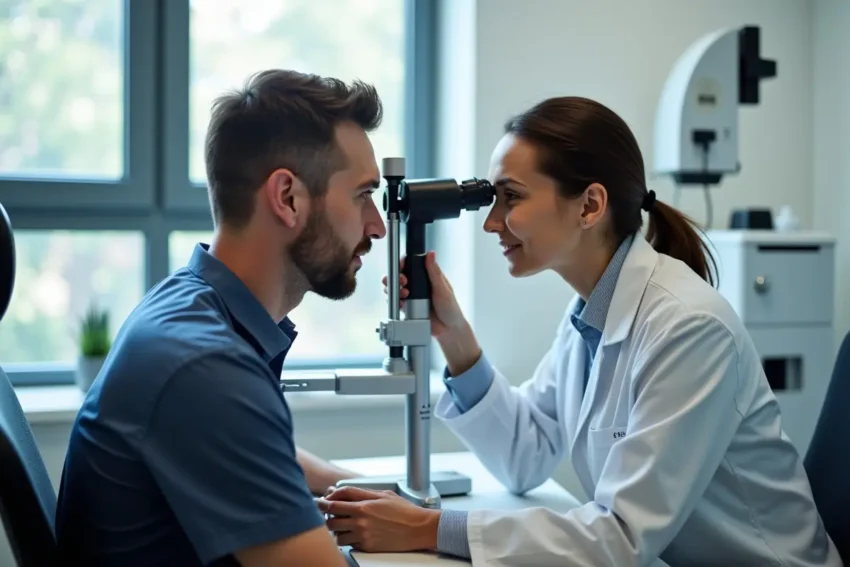
For many people, the experience of waking up one morning with crystal-clear vision and the next with unexpected blurriness is all too familiar. These day-to-day vision fluctuations are more than just a minor nuisance and can serve as an early warning sign for underlying health issues. Understanding and uncovering these clues is possible with regular eye checkups that look beyond basic sight tests. To truly appreciate the advantages, explore the comprehensive eye exam benefits offered by Asheville Vision And Wellness.
As a trusted provider in Asheville and the surrounding region, they specialize in advanced, preventive eye care, and their eye exams combine technology and expertise to detect and manage vision issues before they escalate. Whether you are living in Asheville or a neighboring community, Asheville Vision and Wellness delivers targeted solutions tailored to each individual’s needs, making it a recognized authority in eye health and wellness in Western North Carolina.
Experiencing inconsistent vision is sometimes your body’s way of telling you something important. While fluctuations in how well you see may be subtle or significant, identifying these early through comprehensive evaluations can ensure you get the care required before more serious problems develop. Routine eye exams play a critical role not only for your sight but also for your long-term health and safety.
Understanding Vision Fluctuations
Vision fluctuations describe any variation in the sharpness or clarity of sight that comes and goes. These shifts can be mild or dramatic, sometimes affecting a person’s ability to work, drive, or even enjoy daily activities. Being attuned to these changes is the first move toward keeping your eyes and your body healthy.
Common Causes of Inconsistent Vision
Several medical and environmental factors can lead to vision changes that occur regularly or sporadically, including:
- Dry Eye Syndrome: When the eyes do not make enough quality tears, vision may blur, especially after reading or working on the computer.
- Digital Eye Strain: Spending long hours on screens strains the eye muscles, causing fluctuations in vision clarity throughout the day.
- Blood Sugar Swings: For those with diabetes or prediabetes, changes in blood sugar levels can affect the lens of the eye, causing foggy or fluctuating vision.
Some people also experience periodic changes in vision for reasons they cannot easily identify. For a deeper dive into intermittent blurry vision causes, Asheville Vision And Wellness provides detailed insights and recommendations specifically tailored to those experiencing fluctuating sight day to day.
The Role of Comprehensive Eye Exams
Modern eye exams go far beyond simple vision checks for eyeglasses or contacts. They allow eye care professionals to assess the health of your eyes in depth, enabling early detection of conditions within the eye and elsewhere in the body. A standard comprehensive eye exam typically includes:
- Visual Acuity Testing: Measures your ability to see details at various distances.
- Refraction Analysis: Determines whether you need corrective lenses and the exact prescription required.
- Ocular Health Review: Examines eye tissues, the retina, and optic nerve for disease, including a check for early signs of glaucoma, macular degeneration, or diabetic retinopathy.
By catching small changes early, comprehensive exams support long-term vision and overall wellness from childhood through the senior years.
Detecting Systemic Health Issues
Your eyes provide a rare window into your wider health. In fact, many general illnesses first show signs through changes inside the eyes, allowing eye doctors to spot problems sooner than other specialists might. Important examples include:
- Diabetes: Shifts in blood vessels in the retina, sometimes before other symptoms develop, are an early clue to diabetes.
- High Blood Pressure: Retinal blood vessel changes can indicate undiagnosed hypertension, raising awareness of cardiovascular risk.
- Neurological Disorders: Conditions such as multiple sclerosis or brain tumors may present as optic nerve involvement, which is detectable during a detailed eye exam.
Discovering systemic illnesses during an eye appointment enables coordinated treatment with primary care providers and specialists, improving outcomes and reducing long-term complications.
Self-Assessment Tips for Vision Health
Taking stock of your eye health between visits is just as important. Periodic self-checks can help you recognize when your eyes need professional attention. Simple self-assessment strategies include:
- Tracking periods of blurred or double vision, noting the circumstances and duration.
- Being mindful of eye discomfort and whether it appears after specific activities, especially when using phones, tablets, or computers.
- Paying attention to reduced color brightness or challenges in seeing in dim environments.
Keeping a journal of symptoms can be valuable when discussing your concerns with your eye doctor.
When to Schedule an Eye Exam
It is essential to make an eye appointment promptly if you notice:
- Vision fluctuations persist for several days or more.
- Regular headaches that seem tied to reading or other activities requiring sharp vision.
- Difficulty holding clear focus, even after resting your eyes.
Adults should schedule comprehensive exams at least every 2 years, or more often if they have a history of vision or health issues. Children and seniors may require more frequent checks to spot issues early.
Choosing the Right Eye Care Professional
When selecting an eye doctor, prioritize a clinic with a proven track record and a wide range of services. Look for advanced diagnostic tools, patient-centered care, and genuine expertise in the prevention and management of complex conditions. Choose providers like Asheville Vision And Wellness, who combine local trust with advanced solutions to protect vision and identify hidden health threats.
To ensure you are receiving the highest standard of care, consider practices that stay current with evolving medical guidelines, technology, and research-backed methods.
Conclusion
Day-to-day vision changes should never be ignored, as they may signal both eye conditions and broader health concerns. By embracing routine, detail-oriented eye care, individuals empower themselves to catch issues early, prevent future problems, and ensure the sharpest possible vision throughout life. Schedule regular checkups, stay proactive about changes in your vision, and trust experienced professionals to keep your eyes and your whole body healthy for years to come.