
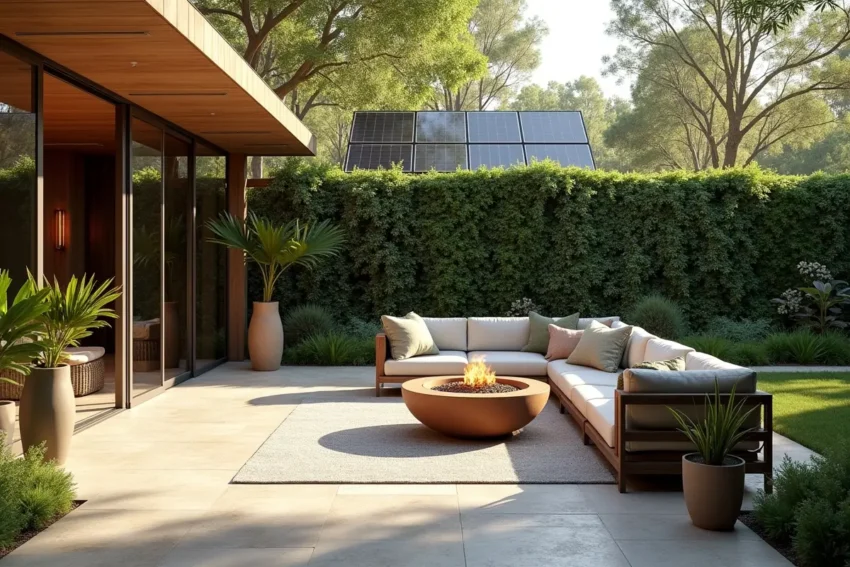
Outdoor living spaces have evolved into essential extensions of the home, blending comfort, functionality, and environmental stewardship. Homeowners in Colorado and beyond are increasingly prioritizing sustainability when designing their gardens, patios, decks, and fenced areas. Collaborating with local professionals like Colorado Fence & Deck enables residents to create beautiful, eco-conscious spaces tailored to their environment and lifestyle needs.
Sustainability encompasses not only the materials used but also the design of resilient, energy-efficient spaces that support local ecosystems. The following trends for 2026 reflect a growing awareness of our environmental impact and provide a roadmap for creating outdoor areas that are both stylish and sustainable for years to come.
Sustainable Luxury
Luxury and sustainability are no longer mutually exclusive. Homeowners can now enjoy elegant, comfortable, and eco-friendly outdoor spaces. Sustainable luxury focuses on sourcing furniture and décor made from recycled or reclaimed materials and opting for solar-powered lighting solutions. These investments support long-term environmental goals by reducing waste and utilizing renewable energy.
This approach extends beyond products to include high-quality construction and thoughtful design. Investing in durable outdoor pieces and using local suppliers helps minimize the carbon footprint. Professional installation ensures safe, long-lasting structures, particularly for additions like decks and fences.
Organic Materials
Emphasizing natural materials is a cornerstone of modern sustainable design. Wood, stone, and bamboo are prominent choices for outdoor spaces due to their aesthetic appeal and minimal processing impacts. Using reclaimed or FSC-certified wood for decks and fences provides durability while supporting responsible forestry practices.
Projects framed by natural stone or softened with bamboo accents create a seamless transition from house to garden. These materials blend effortlessly with the surrounding landscape, promoting a sense of tranquility and authenticity. Incorporating living elements such as vertical plant walls or native grass fencing can further enhance the organic ambiance.
Water-Efficient Landscaping
Water conservation is increasingly crucial, especially in regions prone to drought. By adopting water-efficient landscaping, also known as xeriscaping, homeowners can maintain lush gardens that require less irrigation. Strategies include installing smart irrigation controllers, using drip systems instead of sprinklers, and harvesting rainwater for garden use.
Choosing drought-tolerant and native plants suited to Colorado’s climate greatly reduces the need for supplemental water. Thoughtful mulch applications help retain soil moisture, decreasing evaporation and weed growth. These low-impact practices keep outdoor areas attractive and healthy while supporting broader water-saving efforts.
Multi-Functional Outdoor Spaces
Today’s outdoor areas are expected to support a variety of activities, from quiet relaxation to lively gatherings. The best designs use flexible zones for dining, socializing, working, and gardening. Incorporating moveable furniture, modular decking, and built-in storage increases adaptability, making the most of every square foot.
Features like fire pits allow for year-round enjoyment, while pergolas or retractable awnings provide essential shade and weather protection. Lighting options, from solar string lights to downlit walkways, create a welcoming, usable space at any hour. Investing in versatile and weather-resistant products enhances the functionality of outdoor living areas.
Smart Technology Integration
Integrating technology enhances the comfort, convenience, and eco-friendliness of outdoor living spaces. Homeowners are installing automated lighting systems, weather-resistant outdoor speakers, and irrigation systems that can be managed via smartphone apps. These solutions improve energy efficiency and allow for precise control, reducing waste and maximizing comfort.
In Denver and similar climates, smart home integration can also include temperature-monitoring systems that help protect plants during rapid weather changes. With the right setup, outdoor spaces stay beautiful while saving on resources and reducing utility bills.
Wildlife-Friendly Gardens
Eco-conscious gardening goes beyond water efficiency. Creating gardens that support butterflies, bees, birds, and other wildlife builds a thriving, resilient ecosystem right at home. Planting native flowering species, adding pollinator-friendly shrubs, and providing features like birdbaths or butterfly houses invite beneficial species and support local biodiversity.
Leaving some yard areas a little wilder or incorporating brush piles provides essential shelter for small animals. These actions not only help the environment but also bring dynamic, ever-changing life and enjoyment to the outdoor space.
Edible Gardens
Edible landscaping is another sustainable trend growing in popularity. Planting fruit trees, berry bushes, vegetable beds, and herb gardens helps homeowners reduce food miles and enjoy nutritious, homegrown produce. These gardens can be integrated as containers, raised beds, or full-scale plots and are just as attractive as ornamental plantings.
Edible gardens create a deeper connection to food and the land, teaching valuable lessons about seasonality and stewardship. With a bit of planning, even small spaces can yield delicious rewards and support a more sustainable lifestyle.
Final Thoughts
Thoughtful outdoor living design is essential for creating sustainable spaces that unite beauty, comfort, and environmental responsibility. By focusing on organic materials, water efficiency, integrated technology, and nature-friendly landscaping, Colorado homeowners can enjoy outdoor areas that delight the senses and stand the test of time. Working with experts ensures that every deck and fence installation, regardless of size or complexity, supports your vision for a greener, more vibrant home environment.