
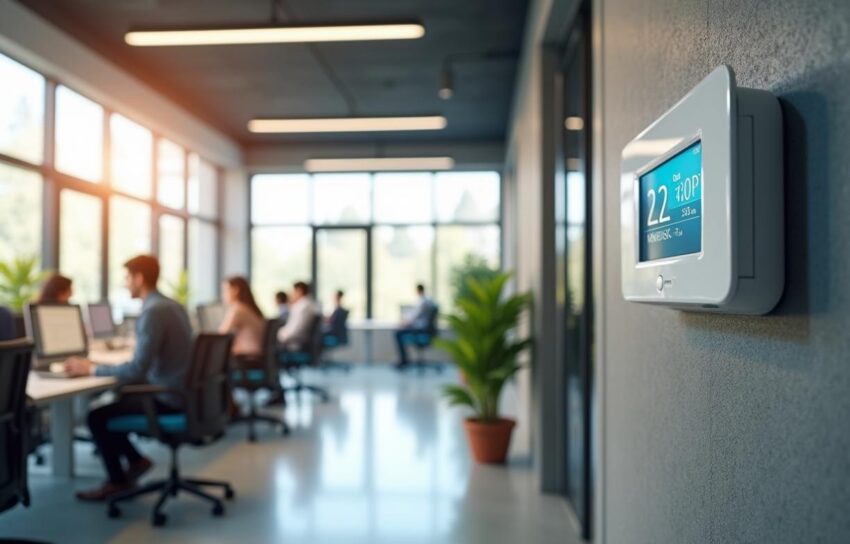
In modern workplaces, few recognize how HVAC performance subtly influences employee productivity. Many building managers focus on aesthetics or furniture layout, leaving the role of temperature control and quality of air overlooked. A workplace that manages energy consumption intelligently can have a more productive staff. Even subtle changes in humidity and ventilation can alter how people feel during their day-to-day tasks.
Today’s workforce spends long hours inside buildings, relying on a comfortable environment to maintain momentum. When employees experience well-regulated temperatures and clean indoor air, they often perform their best. This creates a ripple effect across morale, job satisfaction, and even overall revenue possibilities.
How a Balanced Environment Impacts Performance
Enhancing the office environment is more than adjusting the thermostat. People need adequate ventilation, consistent airflow, and humidity levels that keep them fresh yet not chilly. Research shows that temperature extremes can hamper concentration and make employees feel lethargic.
From an employer’s perspective, a comfortable workspace reduces sick leaves and turnovers. It also boosts morale because staff notice when their concerns about comfort are addressed. Hvac efficiency becomes the unsung hero, tying these elements together in a seamless flow.
Regulating Temperature for Better Focus
Stable temperature control can provide a soothing backdrop for creative and analytical thinking. When the thermostat swings wildly, employees get restless and lose momentum. Relying on advanced systems that adapt to changes in both indoor occupancy and outdoor climate makes daily operations smoother. Energy savings are also possible when businesses invest in equipment that senses the exact demands of each room.
The Role of Air Quality in Workplace Satisfaction
Many people link productivity to factors like incentives, leadership, or training. Air quality, however, can significantly influence how sharp and alert employees feel at their desks. Pollutants, dust, and allergens circulating inside an office lead to fatigue, headaches, and reduced concentration.
Upgrading filters and ensuring adequate ventilation are small steps that can foster a more vibrant atmosphere. It’s also wise to schedule routine inspections to keep air ducts free from hidden buildups. Combining these strategies with high hvac efficiency can result in fewer sick days and a consistently energetic workforce.
Aligning Clean Air with Employee Well-Being
Cleaner air means reduced exposure to airborne contaminants, which benefits those with allergies or respiratory issues. In turn, people feel more relaxed and engaged in their work. By reducing triggers that affect physical health, companies encourage a culture where employees can give full attention to their tasks.
Practical Measures to Enhance Hvac Efficiency
Businesses can start by evaluating current systems and identifying worn-out or outdated components. Modern solutions, such as variable-speed compressors and smart thermostats, adjust airflow and temperature in real time. These innovations not only reduce energy consumption but also align perfectly with the goal of creating a conducive, productive environment for employees.
Another important aspect is choosing the right heating and cooling equipment for the size and layout of the building. An oversized system works harder and wastes energy, while an undersized unit struggles to maintain comfort. Proper sizing is crucial to balance energy savings and occupant well-being.
Maintenance Routines and Upgrades
Regular maintenance is key to prolonging the life of any hvac system. Simple tasks such as cleaning or replacing filters can optimize airflow, while more in-depth checks ensure all parts function efficiently. Proactive measures can avert major breakdowns, saving on costly repairs and reducing disruptions to the workday.
Driving Long-Term Growth with a Healthier Office Culture
By investing in systems that keep temperatures stable and air quality pristine, businesses build a reputation as caring employers. Leadership teams that recognize the connection between efficiency and well-being often find it easier to retain talented staff. When people feel positive about their workplace, collaboration improves, and creative ideas thrive.
Better hvac efficiency doesn’t only cut utility bills. It also signals a forward-thinking mindset, painting the company as a modern, responsible entity. This appeal is invaluable when attracting new talent and connecting with clients who value sustainability. In the long run, an office that prioritizes employee comfort reaps benefits in loyalty, innovation, and consistent output.
Fine-Tuning Temperature, Lighting, and More
Effective workplace environments don’t hinge on a single factor. While hvac efficiency remains central, lighting and acoustic elements also play roles in productivity. If staff see well-lit work areas and hear minimal noise, they stay more engaged. However, comfort levels quickly drop if the temperature is off, nullifying the benefits of modern LED lighting or carefully designed office layouts.
Combining a robust hvac strategy with thoughtful lighting arrangements can transform a stuffy, uninspiring space into a dynamic hub of creativity. Human beings thrive in balanced surroundings. The synergy between climate control, brightness, and sound matters more than most leaders anticipate.
Day-to-Day Improvements for Lasting Impact
Small consistent actions often lead to big changes. Encouraging employees to shut windows when the air conditioner is on, for example, helps keep conditions stable. Limiting the use of space heaters that fight against the system’s settings can save on energy bills and maintain occupant comfort.
Training facility management staff to spot trouble signals is equally important. Strange noises from vents, unexplained rises in bills, and uneven room temperatures shouldn’t be ignored. Addressing these issues early prevents bigger complications down the line and maintains an optimal work atmosphere.
Taking a subtle but strategic approach to hvac efficiency can reshape how an entire organization functions. Boosting productivity starts with ensuring people feel comfortable, healthy, and motivated in their work setting. As awareness grows about how temperature and air quality impact performance, forward-thinking businesses have a chance to stand apart. The future belongs to workplaces that treat efficiency and employee satisfaction as two sides of the same coin.