
When it’s time to select a new water heater for your home, the choices can seem overwhelming given the broad range of models and technologies now available. Advances in engineering have led to significant improvements in both performance and energy efficiency, from compact tankless models to heat pump innovations and solar-powered solutions.
Knowing what to look for can make all the difference in getting the most out of your investment. It’s vital to not only consider the type of system but also installation requirements, warranty coverage, expected lifespan, and maintenance needs. For those looking for local support, Ottawa water heater installation is available from certified professionals who can help you make the right decision for your household.
From evaluating the best fuel source to identifying energy-saving opportunities, selecting the optimal water heater can have a lasting impact on both your comfort and your utility bills. Whether you are upgrading an old unit that is due for replacement or selecting a system for new construction, having the right information at your fingertips can help you optimize performance, achieve long-term savings, and avoid costly mistakes. The right water heater ensures you have a reliable supply of hot water while minimizing your monthly expenses and supporting sustainability goals.
Understanding Different Types of Water Heaters
Choosing the right water heater begins with understanding the main types available on the market, each with its own unique features and advantages. Learning about these distinctions will help you align your selection with your household’s hot water needs, budget constraints, and space limitations:
- Conventional Storage Water Heaters: These are the most widely used units, featuring insulated tanks that store hot water for future use. Conventional systems are reliable and have straightforward installation procedures. However, they can lose energy through standby heat loss while keeping the tank’s water hot even when it’s not in use. Despite this, they are often more affordable upfront and offer sufficient capacity for families with moderate to high water demand.
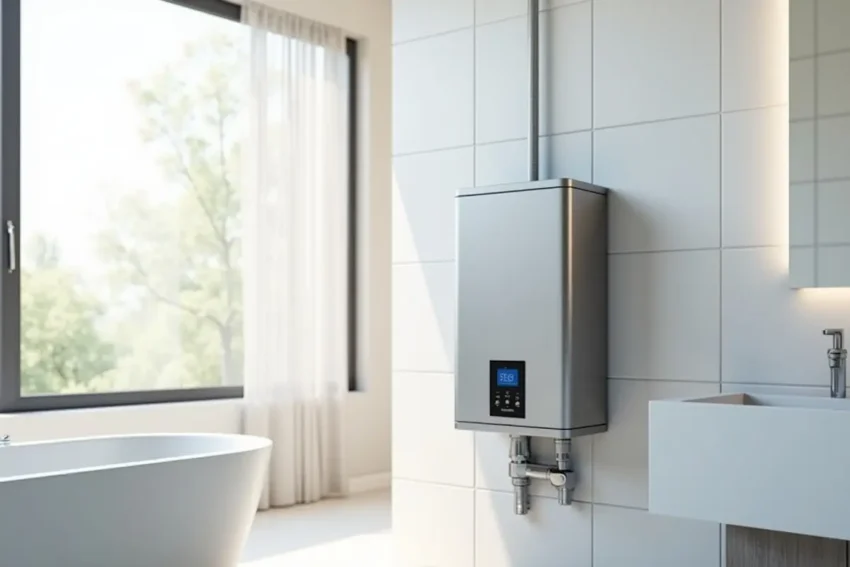
- Tankless (On-Demand) Water Heaters: As the name suggests, tankless units heat water only when you turn on the tap, providing a virtually endless supply of hot water. This design eliminates standby losses, making them inherently more energy-efficient than storage-type models. Tankless water heaters are generally compact and can be wall-mounted, making them ideal for smaller spaces, condos, or for supplementing certain parts of the home.
- Heat Pump Water Heaters: By utilizing electricity to transfer heat from the ambient air or ground into the water, these models are considerably more energy-efficient than electric resistance water heaters. Heat pumps often require more installation space and specific room conditions for optimal performance, but they are among the best options for households focused on reducing long-term utility costs.
- Solar Water Heaters: Using solar collectors to harness the sun’s energy, solar water heaters offer a sustainable, eco-friendly solution, particularly suited to regions with abundant sunlight. Installation costs tend to be higher, but the long-term energy savings can offset the investment while significantly reducing a home’s carbon footprint. Solar water heaters often have backup systems to ensure hot water availability during overcast periods or high demand.
Factors to Consider When Choosing a Water Heater
Several key considerations should guide your decision process and ensure that the water heater you select will efficiently serve your household for years to come:
- Fuel Type: Common energy sources include electricity, natural gas, propane, and solar energy. The best fuel for your water heater often depends on regional utility infrastructure, energy costs, and the availability of certain fuel types in your area. For example, natural gas is often cheaper in some locations, while electric options may be preferable in others due to lower installation complexity.
- Energy Efficiency: Look for water heaters with high Energy Factor (EF) or Uniform Energy Factor (UEF) ratings, which indicate how efficiently a model converts energy into hot water. Models certified by ENERGY STAR are among the most efficient available and often provide the greatest utility bill savings. These models may also qualify for government rebates, local incentives, or tax deductions that can help offset the initial purchase price.
- Household Size and Water Usage: Accurately sizing your water heater is crucial. Families with multiple members require larger tanks or higher flow rates to avoid running out of hot water, especially during peak usage times like morning showers. Selecting a system that matches your typical daily use will prevent both over-sizing and under-sizing, which can result in energy wastage or inconvenience.
- Installation Space: Some high-efficiency units, such as heat pump models, require more space because they draw heat from the air and need ample ventilation and clearance for operation. Likewise, if you are upgrading from a conventional system to a tankless or solar unit, the physical configuration and venting arrangements may require additional installation adjustments. Evaluating your available space ahead of time is essential to avoid surprises and additional remodeling costs.
Energy Efficiency and Cost Savings
Today’s high-efficiency water heaters can provide substantial savings over the unit’s lifetime with lower operating costs and reduced energy consumption. Heat pump water heaters, for example, may use up to 55% less energy compared to conventional electric resistance designs, dramatically lowering monthly utility bills and swiftly paying back the upfront investment through energy savings.
In many regions, switching to energy-efficient water heaters qualifies you for government rebates, provincial or state tax incentives, and utility company promotions, which can significantly reduce the overall cost of upgrading. Incorporating these factors into your research will help you choose a water heater that not only meets your needs today but continues to save you money for years to come.
Installation and Maintenance Considerations
Proper installation is paramount for both performance and safety. Hiring a qualified, licensed professional is especially important for gas, propane, or solar-powered systems to ensure compliance with building codes and manufacturer requirements, and to ensure optimal operation. Routine maintenance, such as flushing sediment from tanks annually, checking for leaks or signs of corrosion, and inspecting pressure relief valves, significantly extends your water heater’s lifespan.
Efficient operation is better maintained when the system is regularly serviced. Tankless models can require periodic descaling to prevent mineral buildup, especially in areas with hard water. Establishing a regular maintenance schedule reduces the likelihood of unexpected breakdowns and discomfort associated with hot water loss.
Environmental Impact
Adopting an energy-efficient water heater not only saves money but also plays a critical role in reducing greenhouse gas emissions. Systems that use renewable energy, such as solar and heat pump water heaters, have a markedly lower environmental impact than traditional electric or gas tank options.
Reduced dependence on fossil fuels and lower daily energy consumption help shrink your household’s carbon footprint, making these systems a smart choice for families who prioritize sustainability. Switching to an eco-conscious choice supports environmental conservation and is increasingly important as communities strive to reach climate goals amidst global energy challenges.
Conclusion
Choosing the best water heater for your home means weighing several important factors, including system type, available fuel, efficiency, installation needs, and your household’s specific water-use requirements. By learning about your options and prioritizing efficiency, proper sizing, and quality installation, you’ll ensure access to reliable hot water for years to come while maximizing both cost savings and environmental benefits. Investing in a modern, efficient water heating system is one of the smartest upgrades you can make to improve daily comfort and long-term value in your home.