
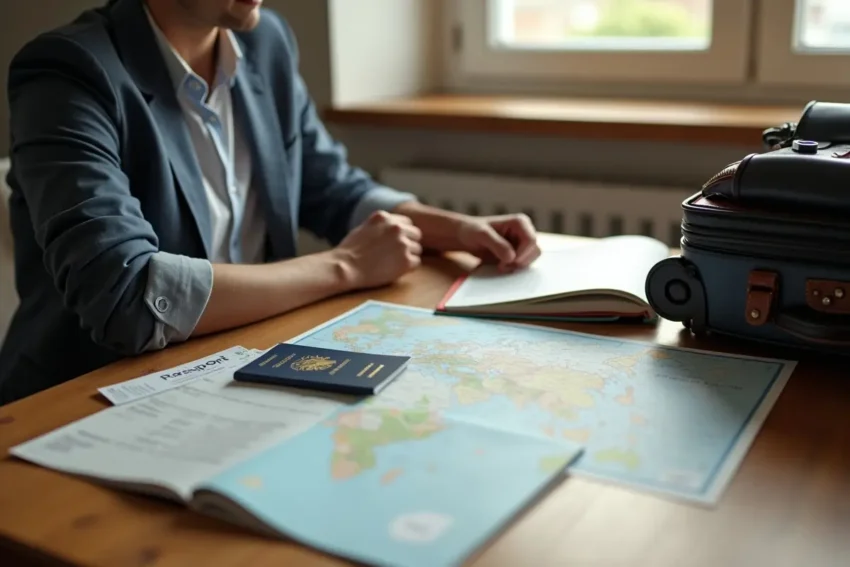
International travel can be exciting, but it also involves more planning than a domestic trip. From checking entry requirements to navigating unfamiliar airports, there are plenty of details that can affect how smoothly your journey goes. Preparing early and staying organized can reduce stress, prevent avoidable delays, and help you enjoy the experience from the moment you leave home.
Check Your Travel Documents Early
Your passport should be one of the first things you check when planning an international trip. Make sure it is valid for the required period beyond your intended return date, as many countries require at least three or six months of remaining validity.
You should also check whether you need a visa, electronic travel authorization, or proof of onward travel. Entry requirements can vary depending on your nationality, destination, and length of stay.
If you discover that your passport is expired, damaged, or close to its expiration date, act quickly. Services such as urgentpassport.com may be useful for travelers who need help securing an expedited passport before an upcoming departure.
Organize Important Information
Keep all of your essential travel information in one place. This might include your flight details, hotel reservations, travel insurance documents, visa confirmation, airport transfer information, and emergency contact numbers.
Digital copies are convenient, but it is also sensible to carry printed versions of important documents in case your phone runs out of battery or you cannot access the internet. Store copies separately from your passport and wallet to provide an extra layer of protection.
Pack With Your Journey in Mind
Packing strategically can make every stage of your trip easier. Check the weather forecast and local customs before deciding what to bring. You should also review your airline’s baggage rules, especially if you are traveling with multiple carriers.
Place medication, travel documents, chargers, valuables, and a change of clothes in your carry-on bag. Doing so ensures that you have the essentials if your checked baggage is delayed.
Avoid overpacking where possible. A lighter suitcase is easier to manage on public transportation, through airports, and when moving between accommodations.
Prepare for the Airport
Complete online check-in as soon as it becomes available and confirm your departure terminal before leaving home. International flights often require passengers to arrive earlier than domestic services, so allow plenty of time for check-in, baggage drop, security, and passport control.
Wearing comfortable clothing and keeping liquids and electronics easy to access can also help you move through security more efficiently.
Plan for Arrival
Research your arrival airport before your trip. Find out how you will reach your accommodation, whether local transportation accepts cash or cards, and whether you need to purchase a transit pass.
It is also helpful to have a small amount of local currency available for immediate expenses. Download offline maps and save your accommodation address in the local language in case you need to show it to a driver.
Stay Flexible
Even with careful planning, flights can be delayed, luggage can be misplaced, and schedules can change. Travel insurance, emergency funds, and flexible bookings can make unexpected problems easier to manage.
International travel becomes much smoother when you prepare thoroughly but remain adaptable. By organizing documents, packing carefully, researching your route, and allowing extra time, you can reduce stress and focus on enjoying your destination.