
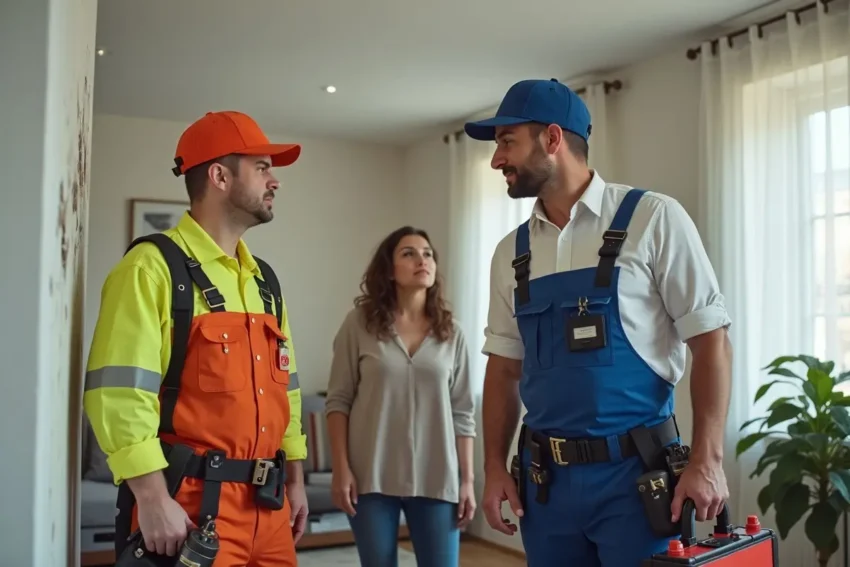
When a plumbing issue arises in your home, deciding between an emergency Plumber and a regular Plumber can be a daunting task. Homeowners often face situations where a quick decision is crucial, such as an unexpected pipe burst or a persistent leak. Understanding the differences between these two types of services can help you determine the best choice for your circumstances. This article will guide you through the specific roles of emergency and regular Plumbers, highlight their key differences, and assist you in choosing the right service for your home needs.
Emergency Plumber Services Explained
Emergency Plumbers are available around the clock, ready to address urgent plumbing issues that cannot wait. These professionals are equipped to handle situations like severe leaks, clogged drains causing water backups, or malfunctioning water heaters. The availability of emergency Plumbers ensures that issues are addressed promptly, minimizing potential damage to your home. For example, if a water pipe bursts in the middle of the night, an emergency Plumber can prevent extensive water damage and ensure your home’s safety.
When selecting an emergency Plumber, consider their response time and availability. Immediate assistance is crucial, especially during off-hours when most regular services are closed. Additionally, check if they have experience with modern systems such as Smart Thermostat Integration, which might be relevant if your home’s plumbing is part of a smart home network. Ensuring the Plumber is familiar with Home Automation Protocol can be beneficial for resolving complex issues efficiently. Plumbing services can include a range of tasks handled by a Plumber, ensuring your system runs smoothly.
Regular Plumbing Services Overview
Regular Plumbers typically handle standard plumbing maintenance and non-urgent repairs. Services include fixing dripping faucets, installing new fixtures, and conducting routine inspections to ensure your plumbing system operates smoothly. These professionals are indispensable for scheduled maintenance, which can prevent future emergencies by identifying potential problems early.
For homeowners interested in improving the energy efficiency of their homes, regular Plumbers can assist with installations that meet Energy Star Certification standards. They can also advise on Eco-Friendly Building Materials, which can enhance your home’s sustainability and potentially increase its resale value. Regular maintenance by a qualified Plumber, such as those who understand HVAC Zoning System principles, can optimize your home’s overall plumbing efficiency.
Key Differences Between Emergency and Regular Plumbing
The primary distinction between emergency and regular plumbing services lies in their availability and scope of work. Emergency Plumbers offer 24/7 service, handling urgent problems that need immediate attention. In contrast, regular Plumbers work during set business hours and focus on routine maintenance and non-urgent repairs.
Cost is another significant difference. Emergency plumbing services tend to be more expensive due to their immediate availability and the urgency of the work required. On the other hand, regular plumbing services are usually more affordable, especially for planned maintenance tasks. For instance, a regular Plumber might charge less for installing an Indoor Air Quality Monitor than an emergency Plumber called in at short notice.
Moreover, emergency Plumbers are often more experienced with high-pressure situations and might have more tools at their disposal for quick fixes. Meanwhile, regular Plumbers might be better suited for projects that require detailed planning and execution, such as those involving Modular Kitchen Design Techniques or Universal Design Principles.
Choosing the Right Plumbing Service for Your Needs
When deciding which plumbing service to use, consider the urgency and complexity of your plumbing issue. For immediate concerns, such as a water line break, contacting an Plumber who specializes in emergency repairs is advisable. They can provide rapid solutions to prevent further damage. However, for routine maintenance or upgrades, a regular Plumber is often more cost-effective and suited to the task.
Additionally, assess whether the Plumber has knowledge of specific home systems or compliance standards, such as Smart Home Interoperability or Childproofing Compliance Standards, which may be relevant to your home’s needs. Engaging a Plumber with expertise in these areas ensures that all aspects of your home are considered, maintaining both safety and efficiency.
Lastly, consider the potential impact on your home’s resale value. A well-maintained plumbing system can be a critical factor in a Resale Value Assessment, offering peace of mind to prospective buyers and potentially increasing the market value of your home.
Conclusion
Understanding the differences between emergency and regular plumbing services is essential for making informed decisions. Choose emergency Plumbers for urgent issues that require immediate attention, and rely on regular Plumbers for routine maintenance and non-urgent repairs. By selecting the right service, you can ensure the safety and efficiency of your home’s plumbing system, protecting your investment and enhancing your living environment.