
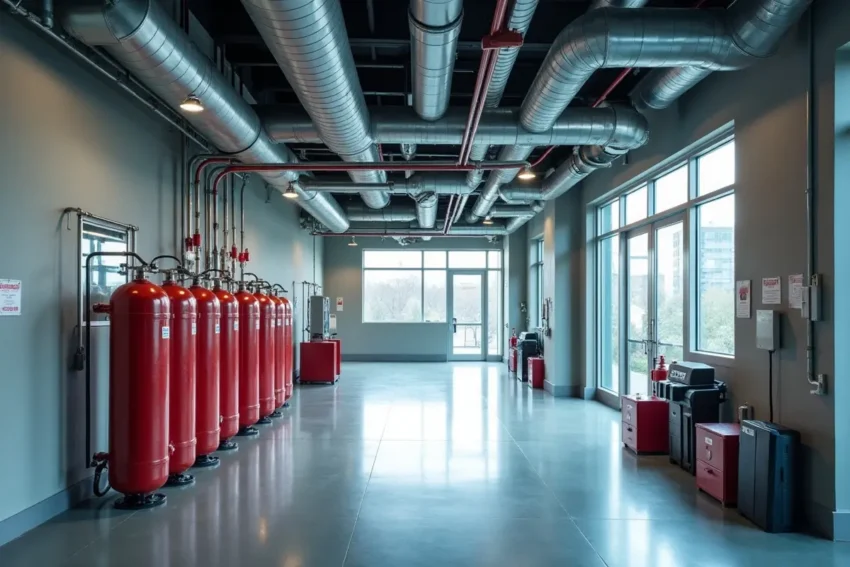
Ensuring the safety of commercial properties demands an in-depth understanding of fire suppression systems. These systems play a critical role in safeguarding assets, employees, and customers from the destructive consequences of fires. Relying on strategies that ensure fast emergency response time can make all the difference in minimizing damage and preserving lives during a fire event.
Fire suppression is much more than just putting out flames. A comprehensive fire safety plan requires selecting, maintaining, and routinely updating the systems that protect your building, all while staying compliant with local and national codes. Business owners who take fire safety seriously not only secure their investments but also gain peace of mind knowing their staff and customers are protected in emergencies.
With a variety of fire hazards threatening commercial environments, from malfunctioning equipment to electrical faults, the right prevention and response plans are essential. Implementing robust fire suppression methods can be the difference between a minor incident and total property loss. Leaders in property management must look beyond mere regulatory compliance and adopt proactive safety measures that truly work.
It is also important to recognize that many fire events lead to secondary issues like water damage due to suppression efforts. A rapid response to a water intrusion emergency can be just as crucial to minimize property loss and business downtime.
Types of Fire Suppression Systems
Modern commercial buildings require customized fire suppression solutions to counteract the specific risks present in diverse work environments. Here are the primary types commonly utilized:
- Water-Based Systems: Standard sprinkler systems are the backbone of fire safety in many buildings. They activate upon detecting heat, releasing water to extinguish flames rapidly. While highly effective for common fire hazards, these systems may not be appropriate for environments with electronic equipment or delicate assets.
- Gas-Based Systems: These systems employ inert gases or clean agents like carbon dioxide to suppress fires efficiently without leaving residue. Their non-conductive and non-corrosive properties make them suitable for data centers, telecommunications rooms, and museums.
- Foam Suppression Systems: Ideal for facilities handling flammable liquids, such as warehouses and fuel storage sites, foam systems encapsulate and isolate the fuel, drastically reducing fire intensity and the potential for re-ignition.
- Dry Chemical Systems: By disrupting the chemical reaction of fire, dry chemical suppression is frequently installed in industrial kitchens and areas with highly reactive metals, where water may worsen hazards.
Importance of Regular Maintenance
Routine inspections and maintenance are crucial for sustaining the readiness of fire suppression systems. According to the National Fire Protection Association (NFPA), well-maintained sprinkler systems are responsible for extinguishing or holding back fires in as much as 96% of incidents when activated.
Neglecting maintenance, by contrast, can lead to system failure in critical moments, escalating losses, and increasing risks to life and property. Regular professional assessments ensure all components are functioning properly and that repair needs are promptly addressed.
Compliance with Fire Safety Regulations
Commercial building owners are legally required to adhere to municipal, provincial, and national fire safety codes. Regulatory bodies dictate system types, performance standards, and scheduled maintenance. Non-compliance can result in fines, halted operations, or even legal liability in the event of incidents.
Consulting with certified professionals ensures not only thorough compliance but also optimal protection for building occupants and resources. For more details on federal regulations, visit the OSHA fire safety guidelines.
Technological Advancements in Fire Suppression
Recent years have witnessed major advancements in fire suppression system technology. State-of-the-art solutions use smart detection sensors that trigger suppression equipment faster and with precision. For example, integrating thermal imaging cameras and automated water cannons has proven highly effective in industrial facilities that face ongoing fire risks.
The improvements extend to remote alarm notifications, real-time system diagnostics, and eco-friendly suppression agents, which collectively enhance emergency response and minimize environmental impacts.
Case Studies of Effective Fire Suppression
Several real-life cases illustrate the impact of well-maintained fire suppression systems. In New Lenox, Illinois, a fire broke out in the spray booth of a commercial paint shop. Because the sprinkler system was fully operational and responded immediately, the fire was contained to one section and widespread damage was prevented. The business was able to resume operations promptly after minimal cleanup, highlighting the value of a proactive safety approach.
Choosing the Right System for Your Property
Determining the most appropriate fire suppression system for your commercial property involves a detailed risk assessment. Important considerations include the type of activities conducted, the combustibility of materials present, and building architecture. Engaging licensed fire protection consultants can help you balance regulatory obligations, operational needs, and budget constraints to identify the most effective and reliable system for your unique situation.
Conclusion
Fire safety should be at the forefront of commercial property management strategies. Investing in appropriate and well-maintained fire suppression systems, ensuring rapid response to related issues such as water intrusion, and staying current with technological improvements collectively reduces risk and helps protect businesses from disaster. Compliance with up-to-date regulations and embracing innovation are vital steps in safeguarding both people and assets in any commercial environment.